



Additional information

Numero pezzi

Marca

Atmosfera

Artista

Occasione

Museo d'arte

Dimensioni dell'opera

73.3 cm x 93.7 cm

Difficoltà

Dimensioni puzzle

50.8 x 63.5 cm

Dimensioni scatola

33 x 25 x 5 cm

EAN

9781087501062

5 motivi per acquistare i nostri puzzle d'arte

Puzzle Ricercati Puzzle Arte

Puzzle d’arte rari e ricercati

Spedizione Gratuita Puzzlearte

Spedizione gratuita sopra i 50€

Consulenza Puzzlearte

Consulenza e assistenza da veri esperti

Progetti Rimboschimento Puzzlearte

Progetti di rimboschimento

Bambini Puzzlearte

Progetti educativi per i più piccoli

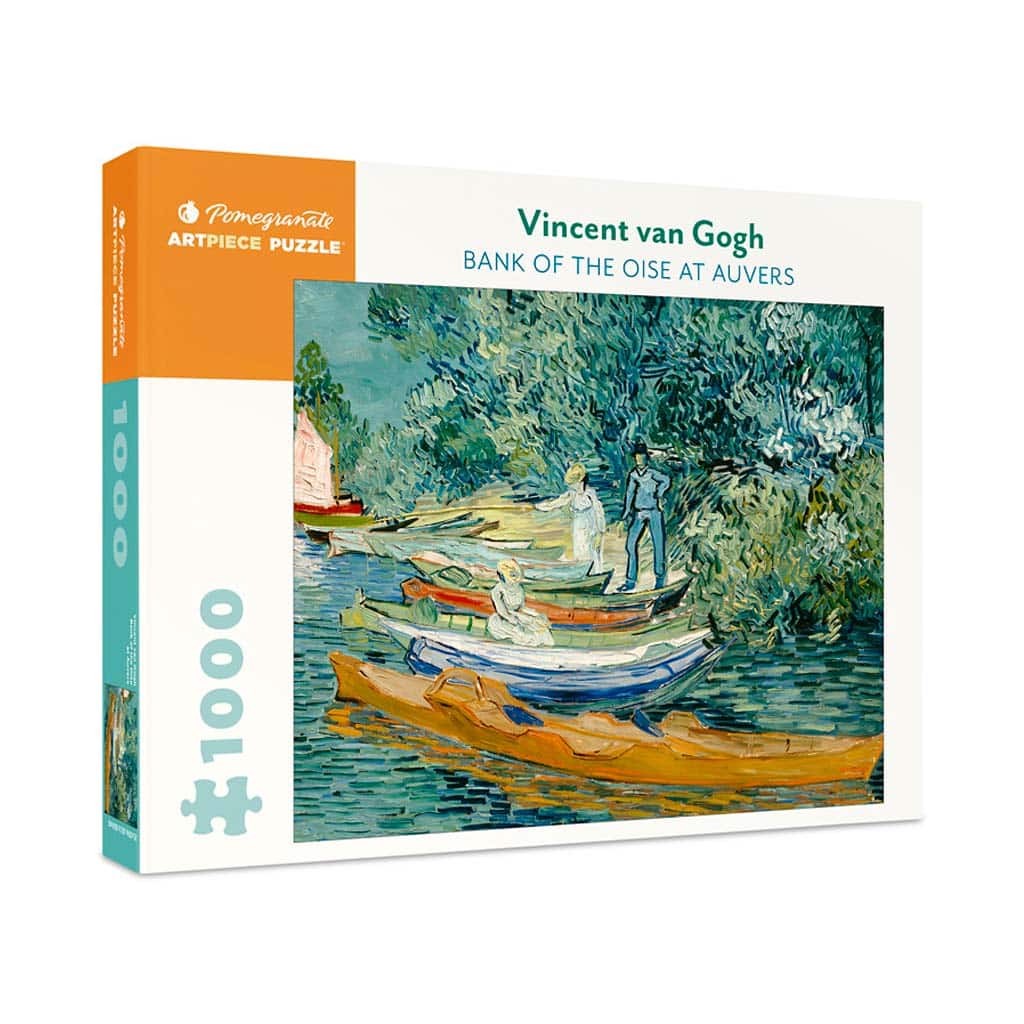
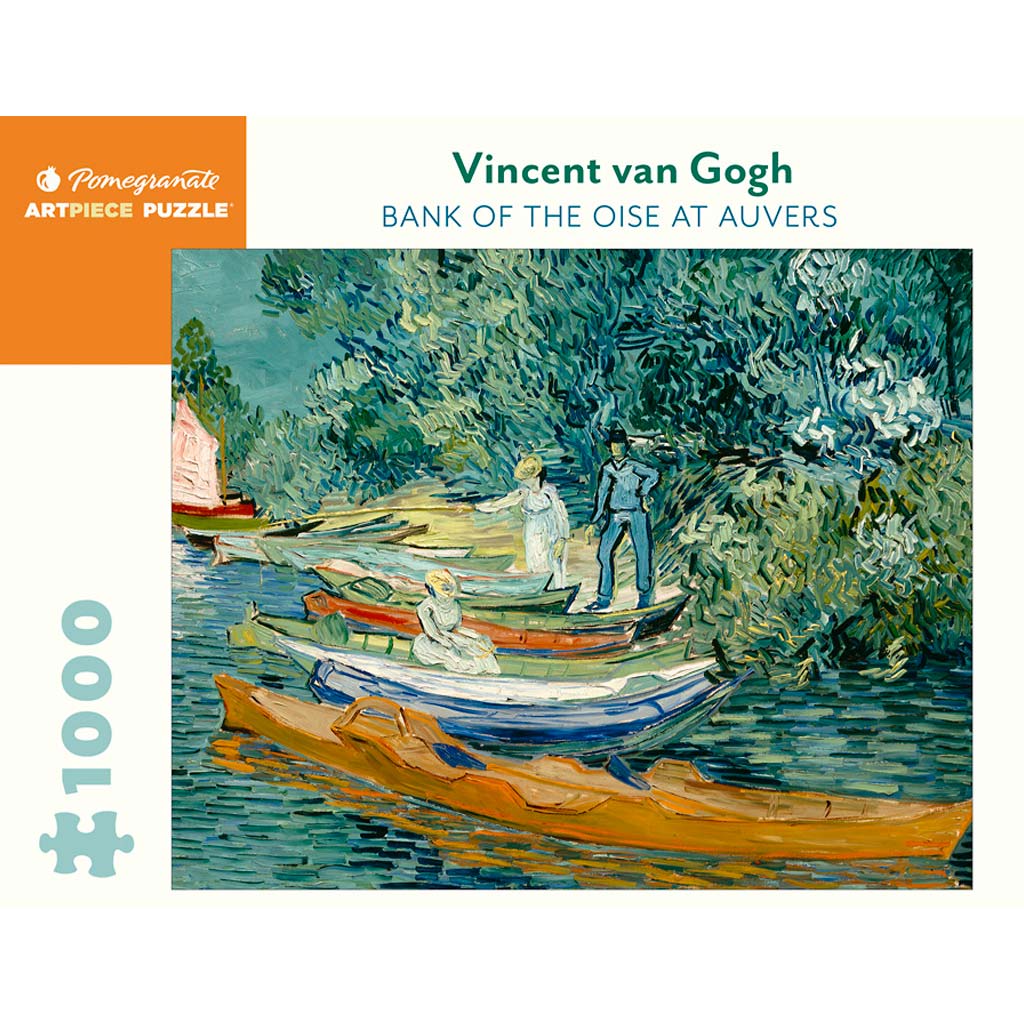
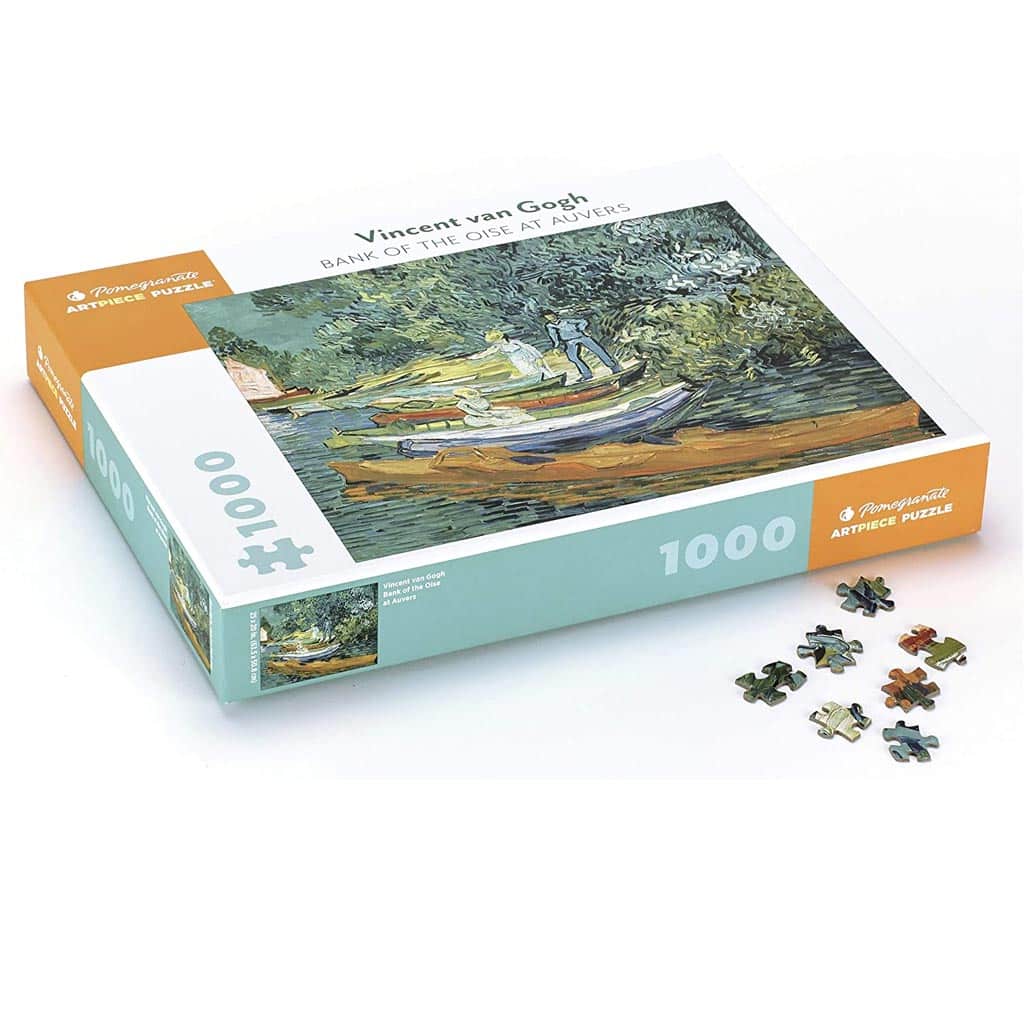
Banks of the Oise at Auvers, Van Gogh – 1000-piece puzzle

Novità!

25,00

25,00

1 in stock

The puzzle of the Banks of the Oise at Auvers is an important work for Vincent Van Gogh, as it allows the observer to understand the artist’s state of mind shortly after his stay in the psychiatric hospital in Saint-Rémy.

This painting is one of the finest examples of post- Impressionist art . Indeed, the canvas clearly reveals the master’s intention to transcend the physical vision of the world by imprinting the emotions of the act of painting onto the canvas.

Questo puzzle è momentaneamente esaurito.

Nel frattempo, ti suggeriamo alcuni puzzle d’arte che potrebbero piacerti!

Altri puzzle di Van Gogh

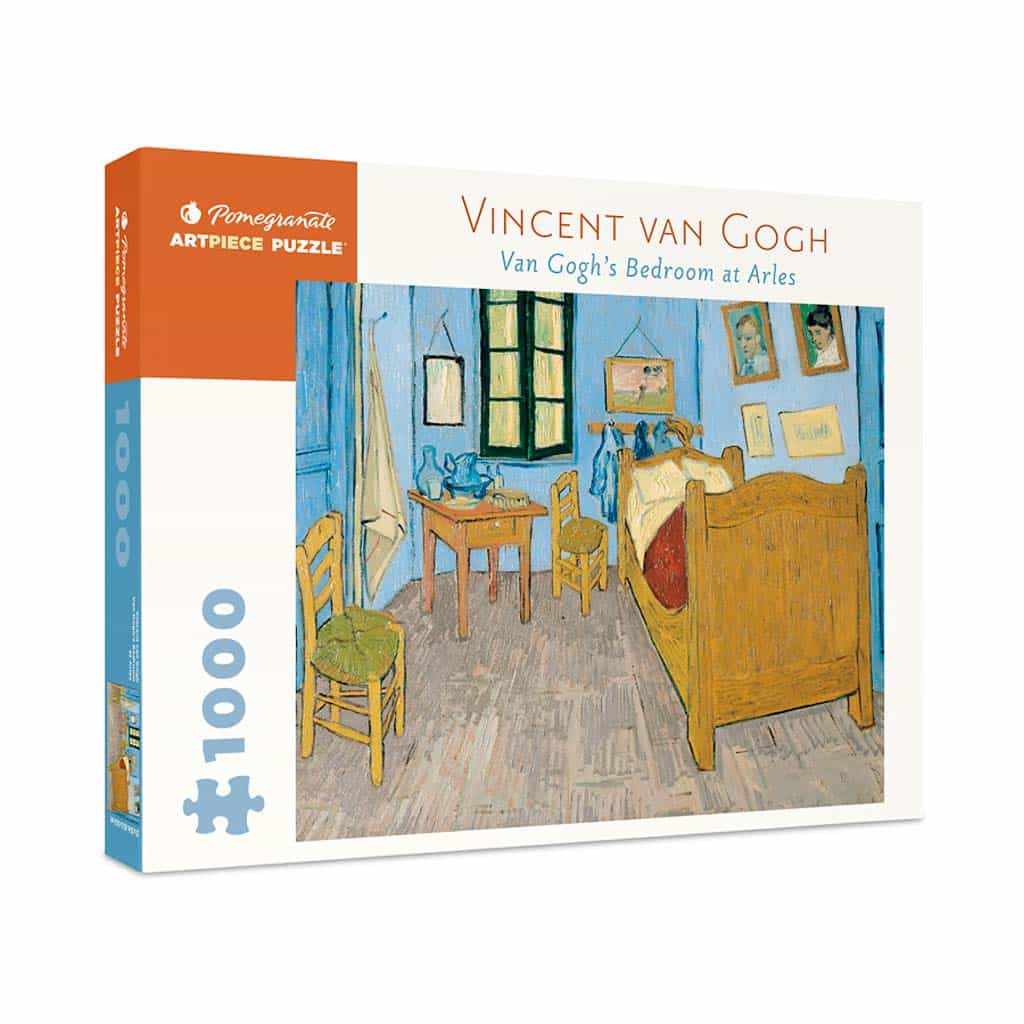
La Camera Di Van Gogh
Van Gogh’s Bedroom in Arles – 1000-Piece Puzzle
25,00
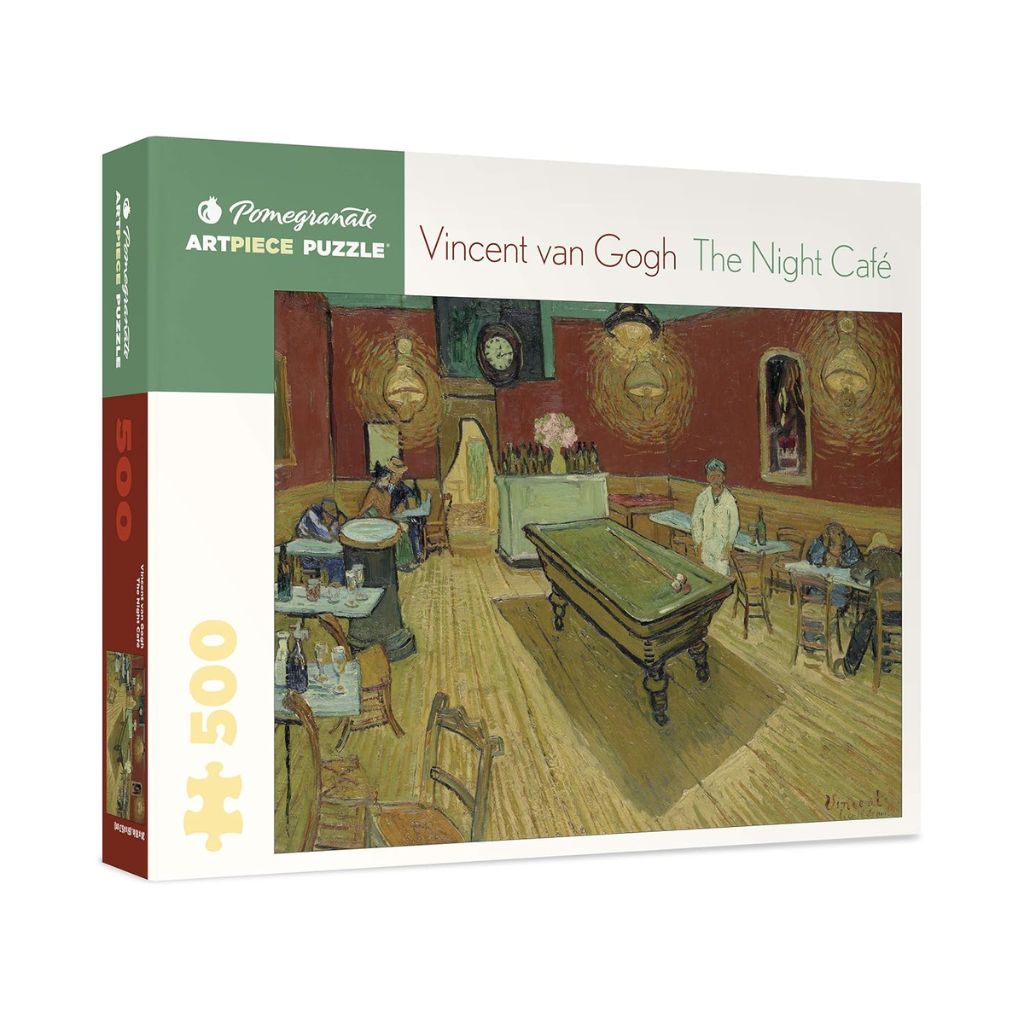
Il Caffè Di Notte Vincent Van Gogh
The Night Café by Vincent Van Gogh – 500-piece puzzle
19,99
Puzzle Van Gogh Mangiatori Di Patate 1
Van Gogh’s The Potato Eaters – 1000-Piece Jigsaw Puzzle
29,90€ Original price was: 29,90€.26,50€Current price is: 26,50€.

Puzzle Features

The Oise Riverside Puzzle at Auvers is one of the paintings that best expresses the painter’s intimate relationship with his emotions during his psychiatric hospitalization. In fact, through his puzzle, Van Gogh It’s one of the most fun and fascinating ways to discover art piece by piece.

Thanks to this beautiful 1000-piece art puzzle from the Pomegranate brand, you can discover all the emotional strength and density of the colors of the great master of post-Impressionist art: Vincent Van Gogh.

In fact, the subject of the puzzle Banks of the Oise at Auvers is a painting by the Dutch painter Vincent van Gogh, created in 1890.

In this painting, the starry sky is left free, appearing to fill the entire canvas on the surface of the water. Van Gogh claimed that gazing at the stars made him dream. The dream of reaching for the stars, like the countries of a nation.

The Oise River Puzzle at Auvers in detail

The 1000-piece Pomegranate Van Gogh ‘s Riverbanks at Auvers Puzzle is a fascinating example of post-impressionist art.

In fact, the works of this great painter are considered the connecting works between the Impressionist movement of the late nineteenth century and the artistic avant-garde of the early decades of the twentieth century.

In fact, the works of this great Dutch painter, together with his contemporary colleagues Paul Gauguin and Edvard Munch, are considered among the greatest paintings of modern art, manifesting on canvas all the typical tendencies of the artistic avant-garde of the last century.

Number of Puzzle PiecesNumber of pieces
1000
Puzzle BrandsBrand
Pomegranate
Puzzle DimensionsPuzzle dimensions (cm)
50.8 x 63.5
Puzzle Box DimensionsBox dimensions (cm)
33 x 25 x 5

Well finished box
Wonderful gift idea

Famous work of art
Great masterpiece

1000 pieces
Standard grid

Description of the artwork

Vincent Van Gogh is considered one of the most famous painters of all time.
The work Banks of the Oise at Auvers is an important work for the artist, as it allows the observer to understand the artist’s state of mind shortly after his stay at the psychiatric hospital in Saint-Remy.

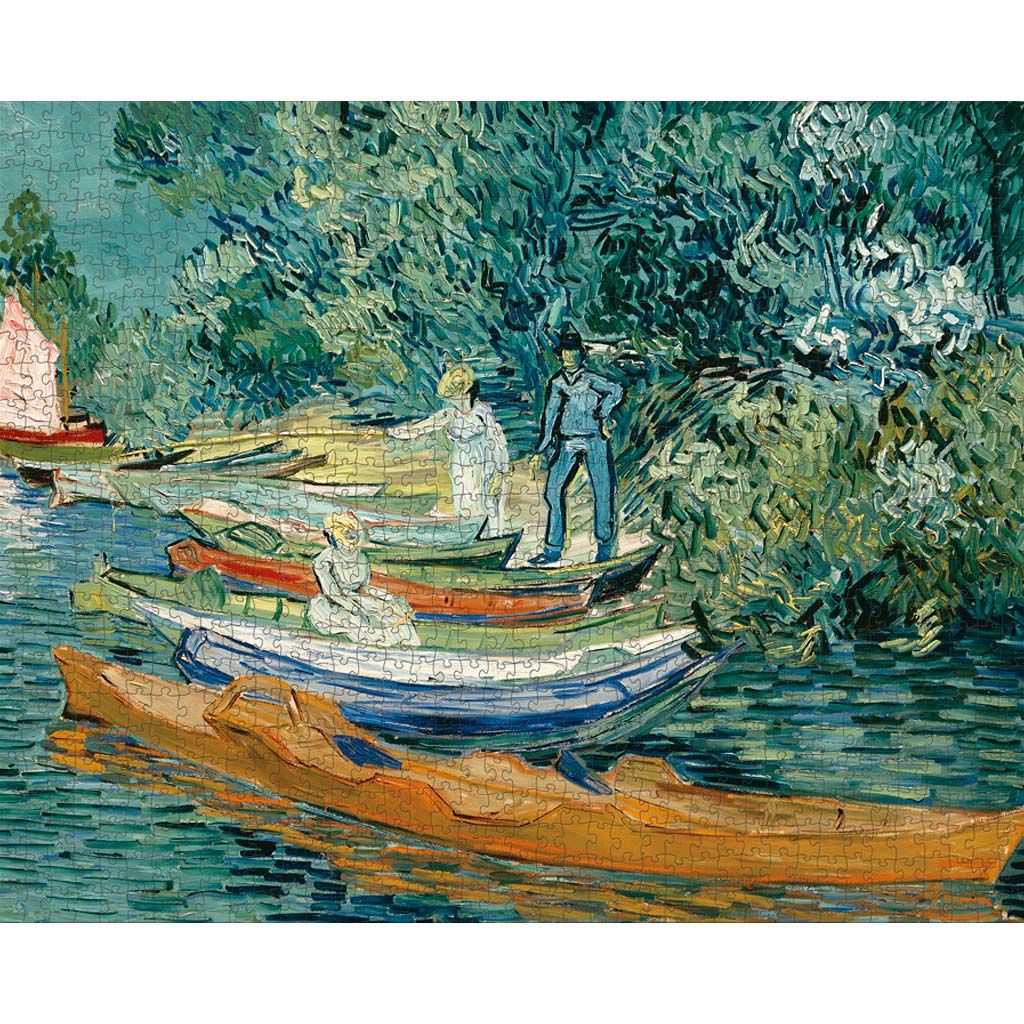
The Banks of the Oise at Auvers by Vincent Van Gogh was painted in 1890 on a small canvas measuring 73.3 cm x 93.7 cm and is now housed in the halls of the Detroit Institute of Arts in the United States of America.

In 1890, Vincent had just been released from the psychiatric hospital and, after a brief stay with his brother Theo, headed to Auvers-sur-Oise, a small town about 30 kilometers from Paris. The painter had made arrangements with the doctor Paul-Ferdinand Gachet , who took on the responsibility of continuing to help Vincent with his ailments. Indeed, during his stay in the psychiatric hospital, the painter had little opportunity to converse with other scholars, art lovers, or literature lovers.

For this reason, Dr. Gachet entered into a great harmony with Van Gogh, and so, in addition to having long discussions about painting, the doctor, his family (and the house) enthusiastically accepted the proposal to pose for some of Van Gogh’s paintings.
It was during his stay in Auvers-sur-Oise that this painting depicting the banks of the Oise at Auvers was born.

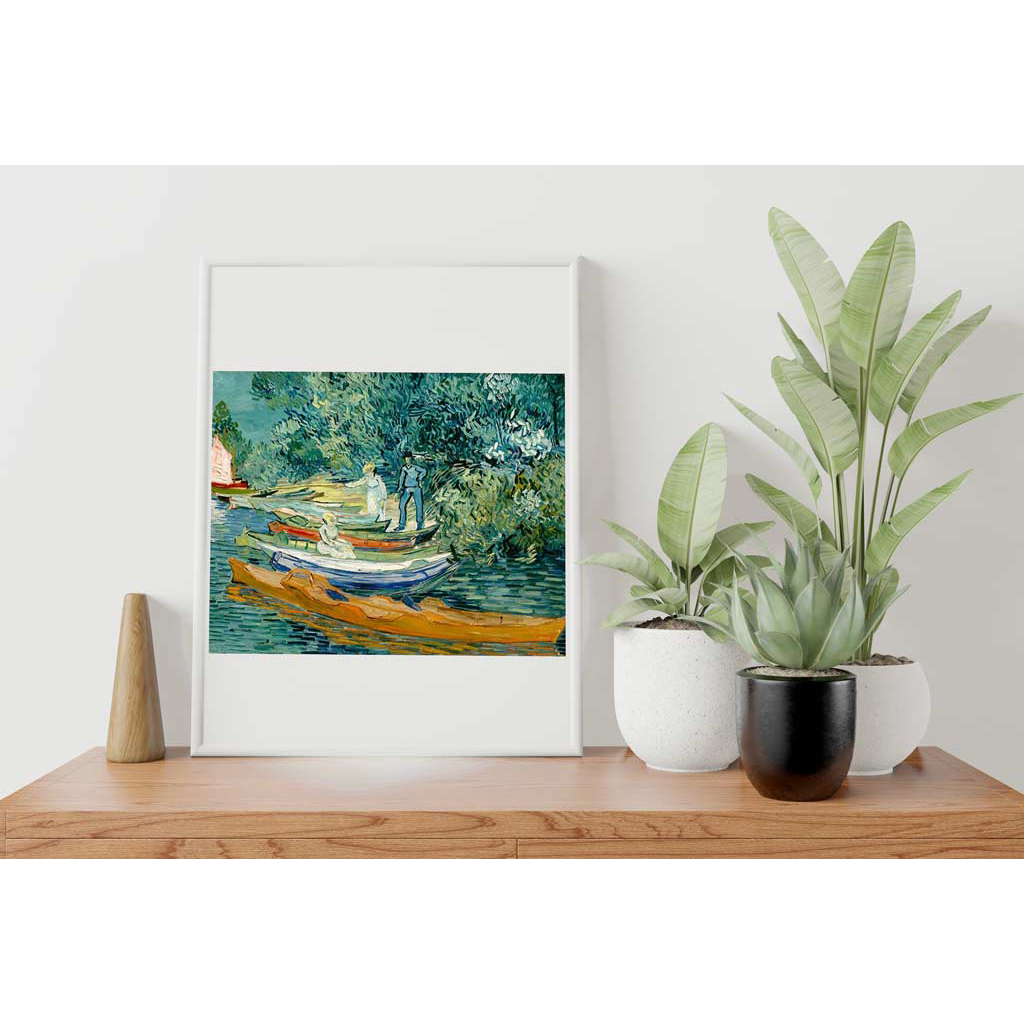
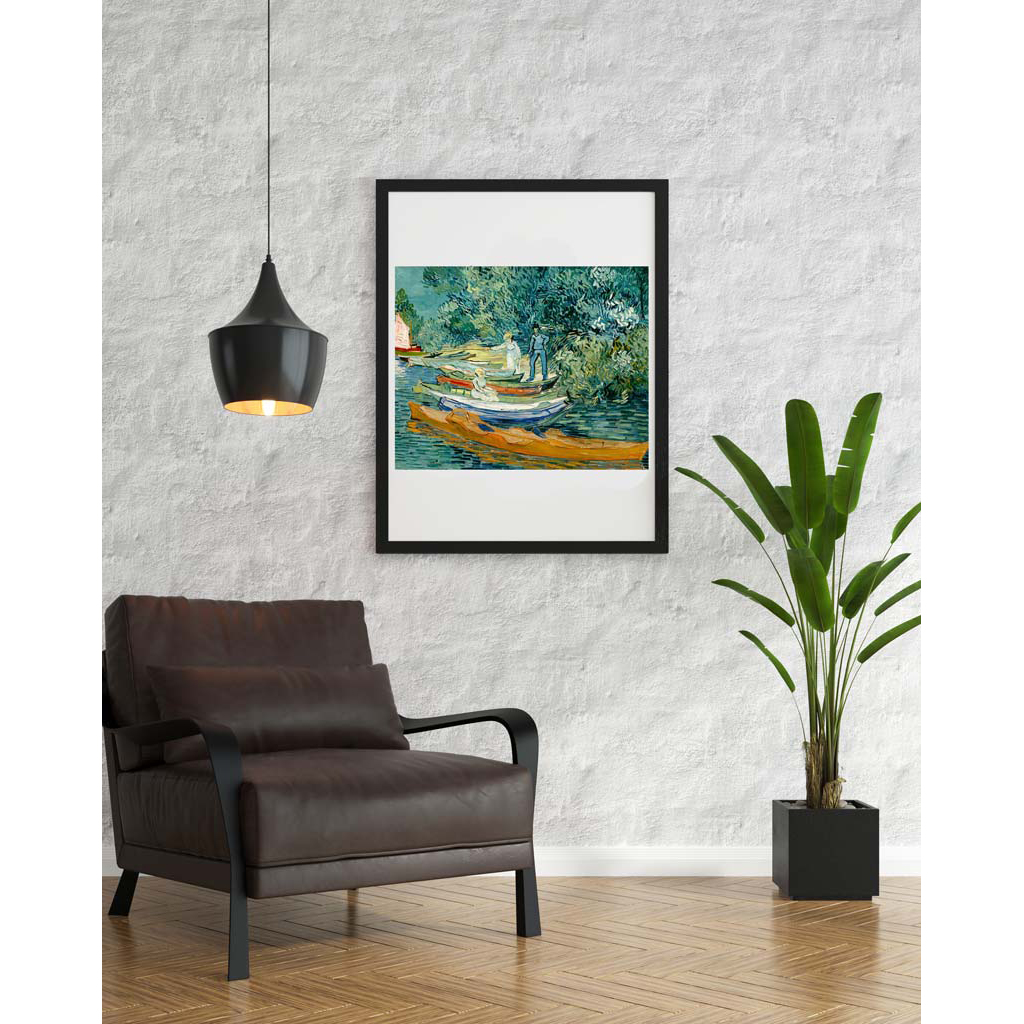
The three figures are standing near some small boats used for peaceful river crossings, while on the right, nature has taken on an indescribable form that dominates much of the scene. Indeed, the mass of trees and bushes is colored with alternating light and dark greens, almost as if it were trying to move and “invade” the rest of the environment.

The light, bright colors, and the reflections on the water, suggest that it was a clear day when Vincent decided to paint this small glimpse of nature on canvas.

Riva Dell Oise Ad Auvers

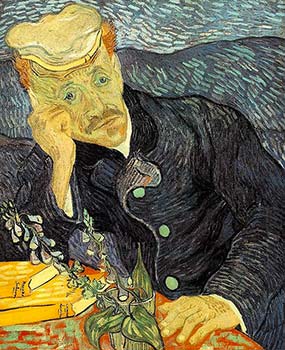
Portrait of Doctor Gachet

Dr. Paul Gachet lived in Auvers-sur-Oise and knew the avant-garde artists of the time and his brother Theo van Gogh. Through this connection, Vincent van Gogh moved to Auvers to be treated by him. Gachet befriended Van Gogh and was the subject of two portraits, one of which, Portrait of Dr. Gachet, sold at auction for over $80 million in 1990.

Van Gogh died from a self-inflicted gunshot wound to the chest. The upstairs room of the Auberge Ravoux where he died has been preserved, although no furnishings remain. The Institut Van Gogh owns the Auberge Ravoux, organizes tours of Van Gogh’s room, and has opened a restaurant in the dining room.
Auvers-sur-Oise is the final resting place of Vincent and his brother Theo van Gogh, who died six months later.

Ritratto Del Dottor Gachet
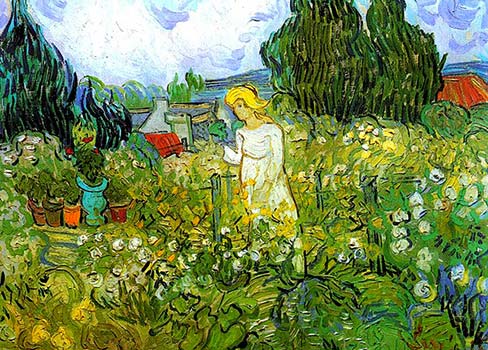
Marguerite Gachet In The Garden
Vincent Van Gogh Marguerite Gachet

Auvers-sur-Oise the city of artists

Auvers-sur-Oise is a commune on the northwestern outskirts of Paris, France and is located just 27.2 km from the city center. This small town is associated with several famous artists , the most notable of whom is Vincent van Gogh. In fact, this place was Van Gogh ‘s home during the last moments of his life where he apparently died by suicide.
Auvers is located in the Val d’Oise department, on the right bank of the Oise River.
During the 19th century, a number of painters lived and worked in Auvers-sur-Oise, including Paul Cézanne , Charles-François Daubigny, Camille Pissarro , Jean-Baptiste- Camille Corot , Norbert Goeneutte and Vincent van Gogh.

In fact, in the center of the town, ” La Maison de Daubigny” is now a museum where you can see paintings by the artist, his family, and friends, such as Honoré Daumier, as well as rooms furnished in period style. Furthermore, along the riverside walk from Auvers to Pontoise are a series of views featured in Pissarro’s paintings.

During the 20th century artists continued to frequent Auvers, including Henri Rousseau (Douanier Rousseau), Otto Freundlich and Pierre Daboval.

The church of Auvers was built in the 11th century on the ruins of the chapel of Philip, Prince of France. Louis VI le Gros (1081-1137) owned a manor in Auvers, where he often came to hunt. In 1131, his son, Philip, who was crown prince, accidentally fell from his horse and died. A chapel was erected for his burial, which later became the church of Notre-Dame de l’Assomption. It was classified as a historic monument in 1915.
Finally, the town has many museums, including the aforementioned Musée Daubigny, located in the Manor of Colombières, created in 1986 by the Tourist Office. The museum houses around a hundred works by Daubigny, including paintings, drawings, and engravings.
The artist arrived in Auvers in 1860 and remained there for 18 years. He had a workshop boat called the “Botin ,” where he painted river landscapes and sailed with his son, Karl. Later, many of his friends also came to Auvers to paint landscapes. The museum focuses primarily on pre-Impressionism . The Musée de l’Absinthe (Absinthe Museum), located on Rue Callé, focuses on the history of the beverage.
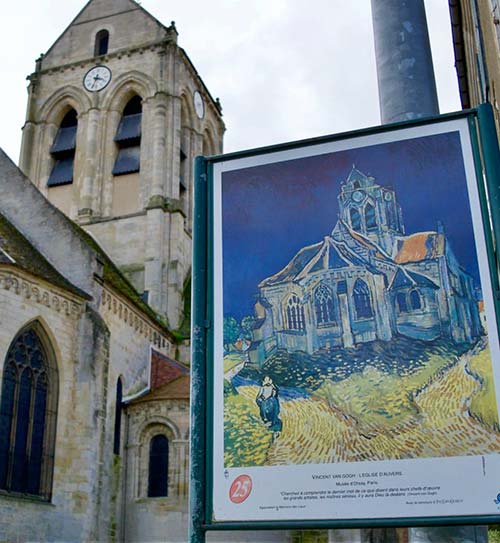
Church Auvers

Reviews

There are no reviews yet.

Be the first to review “Banks of the Oise at Auvers, Van Gogh – 1000-piece puzzle”

Your email address will not be published. Required fields are marked *

Complimenti!

hai una vera passione per l'arte!

Visto che sei arrivato fino a qui, meriti un premio!
Ecco uno sconto del 10% per il tuo prossimo capolavoro! ✨

Cosa se ne pensi di questi puzzle d'arte simili...

Novità!
Hot Hot

25,00

Novità!

Price range: 29,90€ through 55,00

Select options This product has multiple variants. The options may be chosen on the product page
Novità!
Hot Hot

22,90