




Additional information

Numero pezzi

Marca

Atmosfera

Artista

Occasione

Difficoltà

Dimensioni puzzle

28.5 x 28.5 cm

Dimensioni scatola

30 x 30 x 9 cm

EAN

594750286595701

5 motivi per acquistare i nostri puzzle d'arte

Puzzle Ricercati Puzzle Arte

Puzzle d’arte rari e ricercati

Spedizione Gratuita Puzzlearte

Spedizione gratuita sopra i 50€

Consulenza Puzzlearte

Consulenza e assistenza da veri esperti

Progetti Rimboschimento Puzzlearte

Progetti di rimboschimento

Bambini Puzzlearte

Progetti educativi per i più piccoli

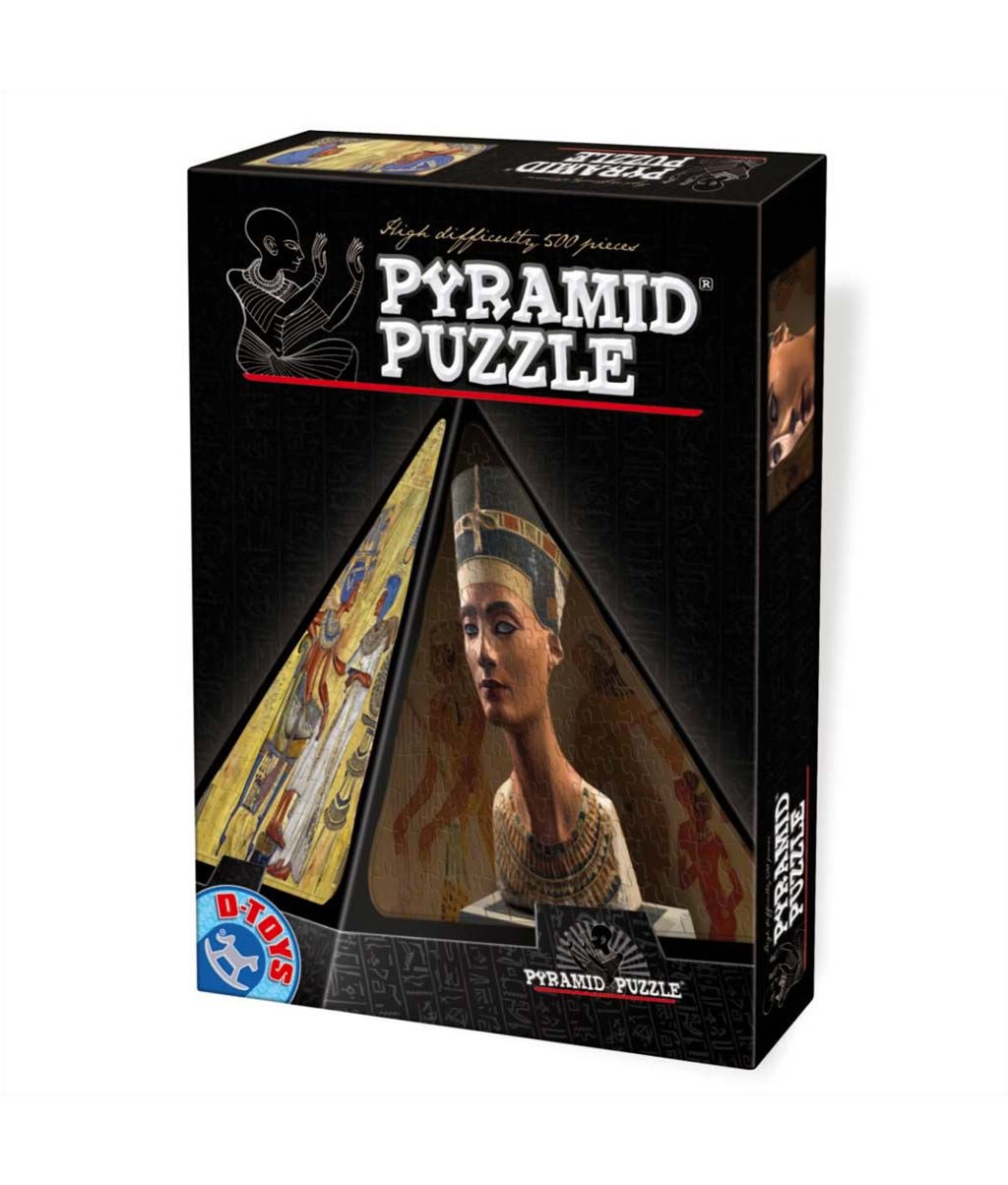
Egypt Pyramid Puzzle – 3D

Novità!

25,00

25,00

Out of stock

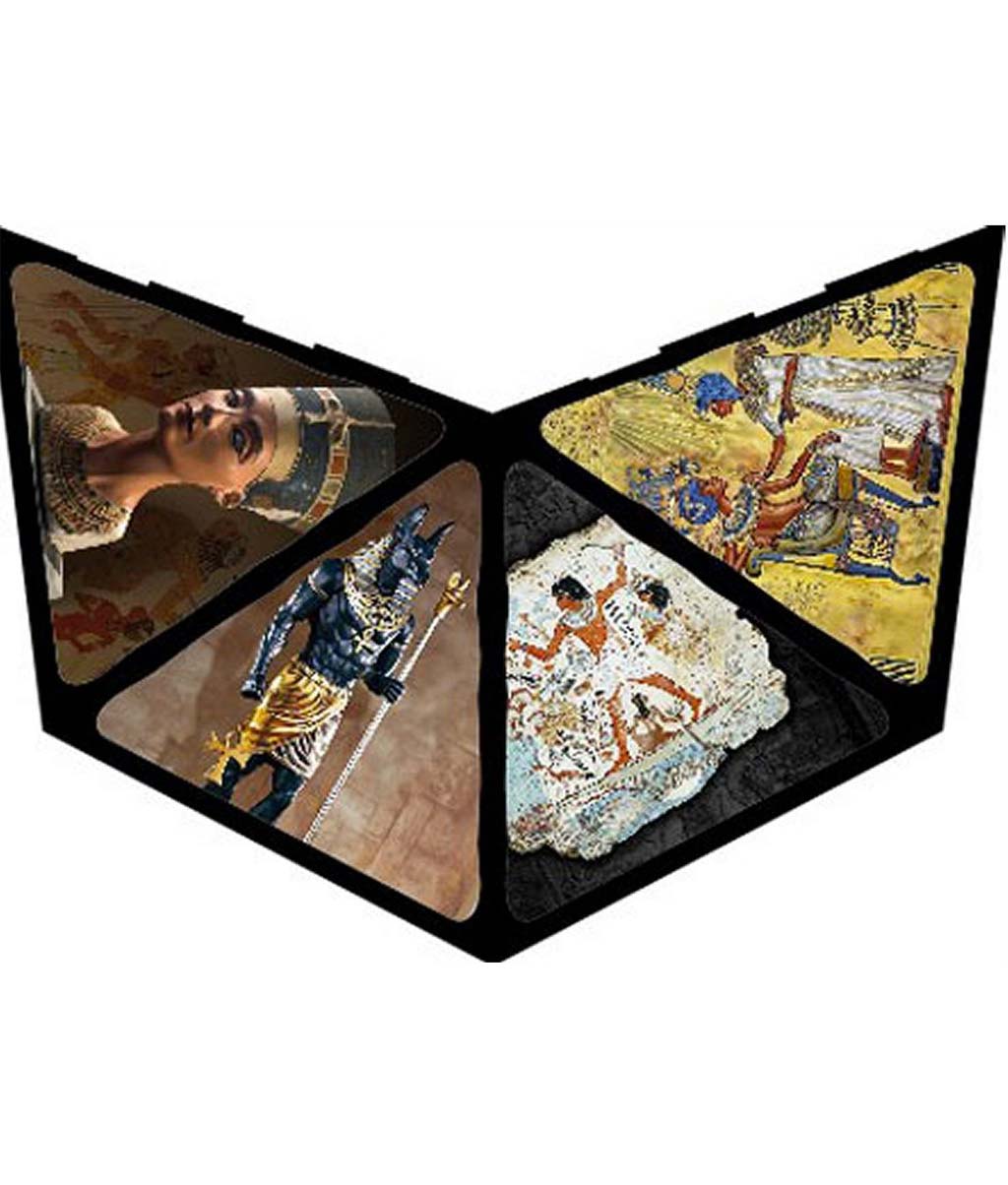
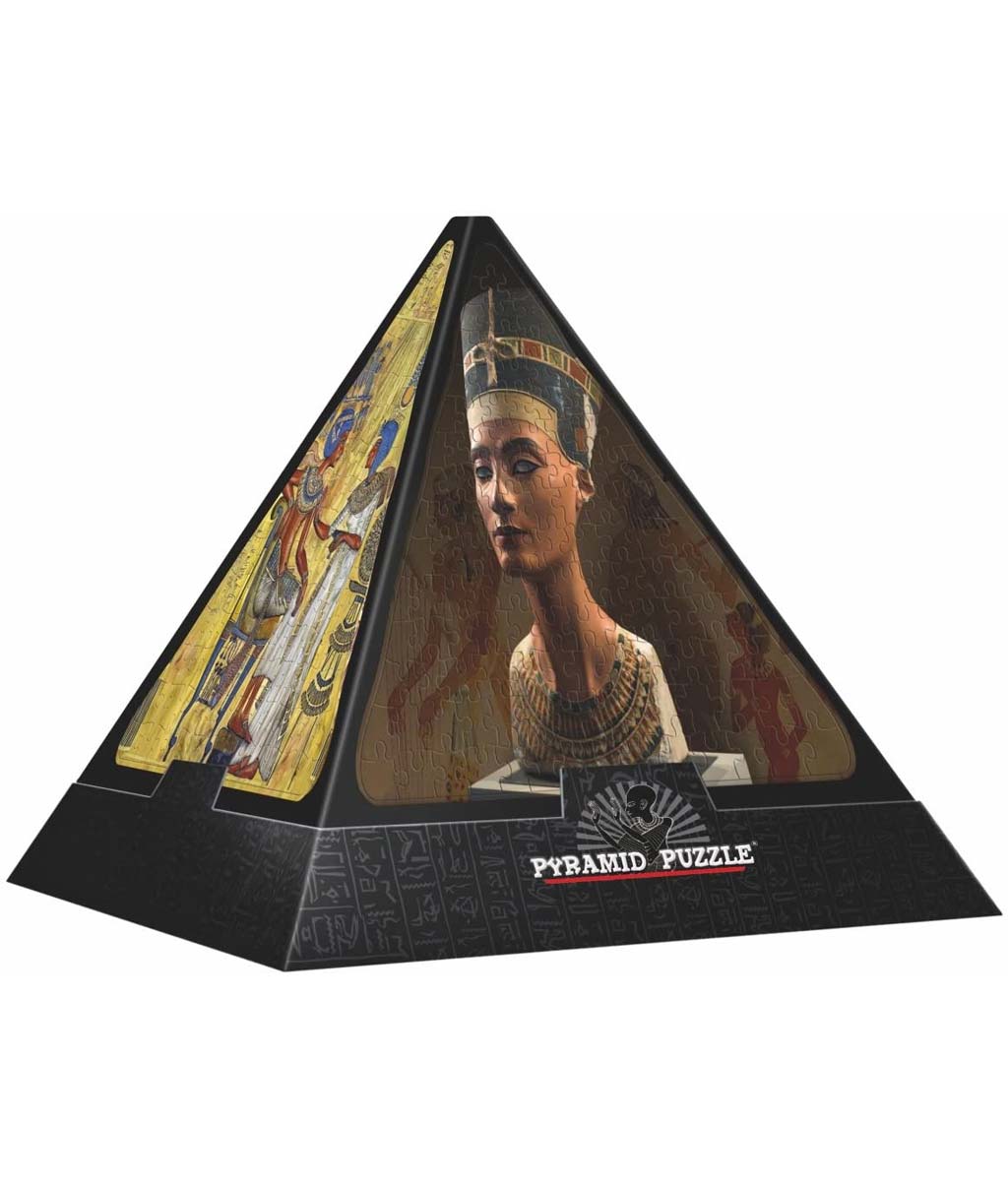
Ancient Egypt Pyramid Puzzle is one of the most fun tools to discover piece by piece all the works of Egyptian art.
Puzzle Art thanks to the new splendid edition of the brand D-Toys is pleased to offer you this art puzzle that pays homage to the great Egyptian art and its magnificent works that laid the foundations of art.

With this beautiful 500-piece classical Egyptian art puzzle from D-Toys, you can enter the magnificent world of Egyptian art.

Questo puzzle è momentaneamente esaurito.

Nel frattempo, ti suggeriamo alcuni puzzle d’arte che potrebbero piacerti!

Altri puzzle di Egypt

Tutankhamon Puzzle
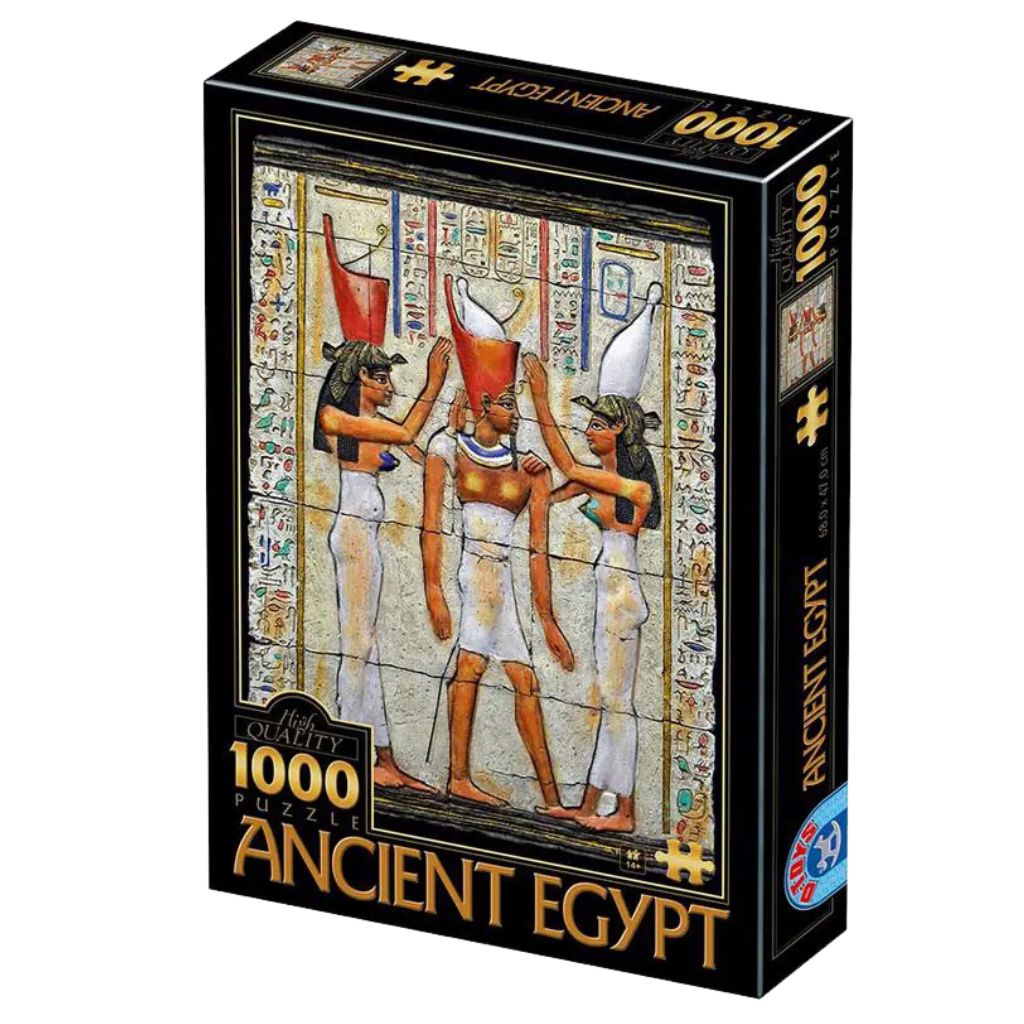
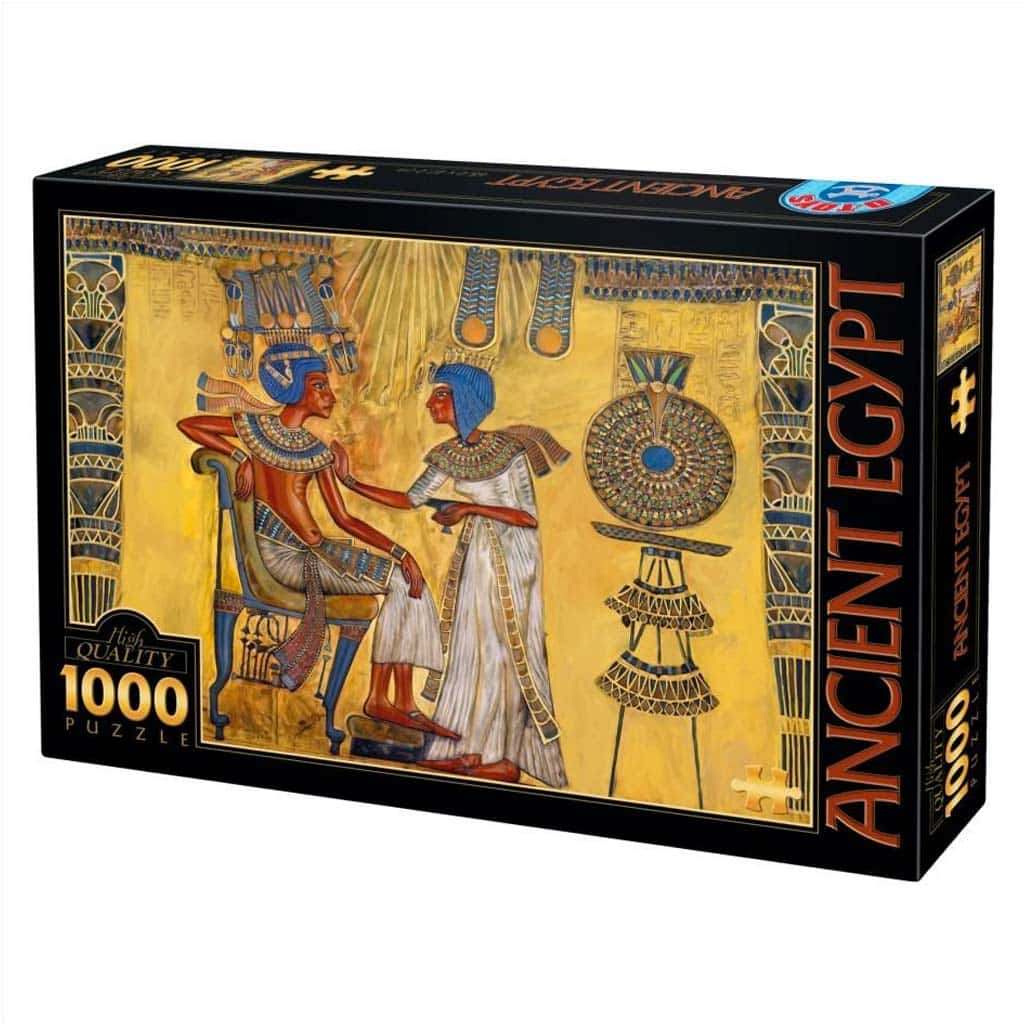
Tutankhamun Throne Puzzle – 1000 Pieces
25,00
Puzzle Egiziano
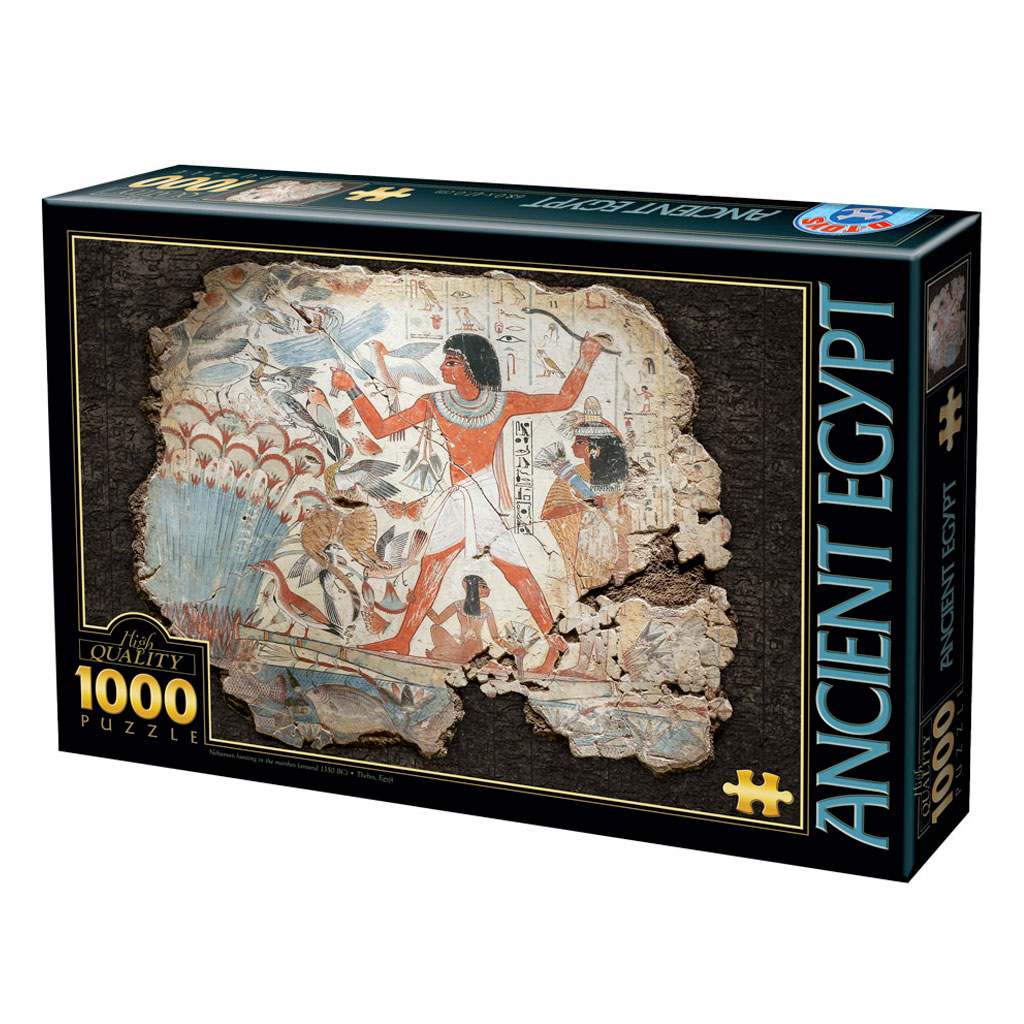
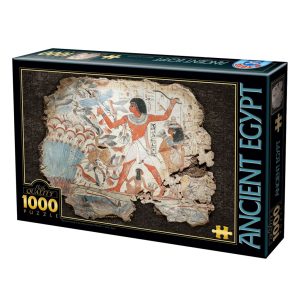
Egyptian Puzzle – Nebamon, 1000 pieces
25,00
Maschera Funeraria Di Tutankhamon.jpg
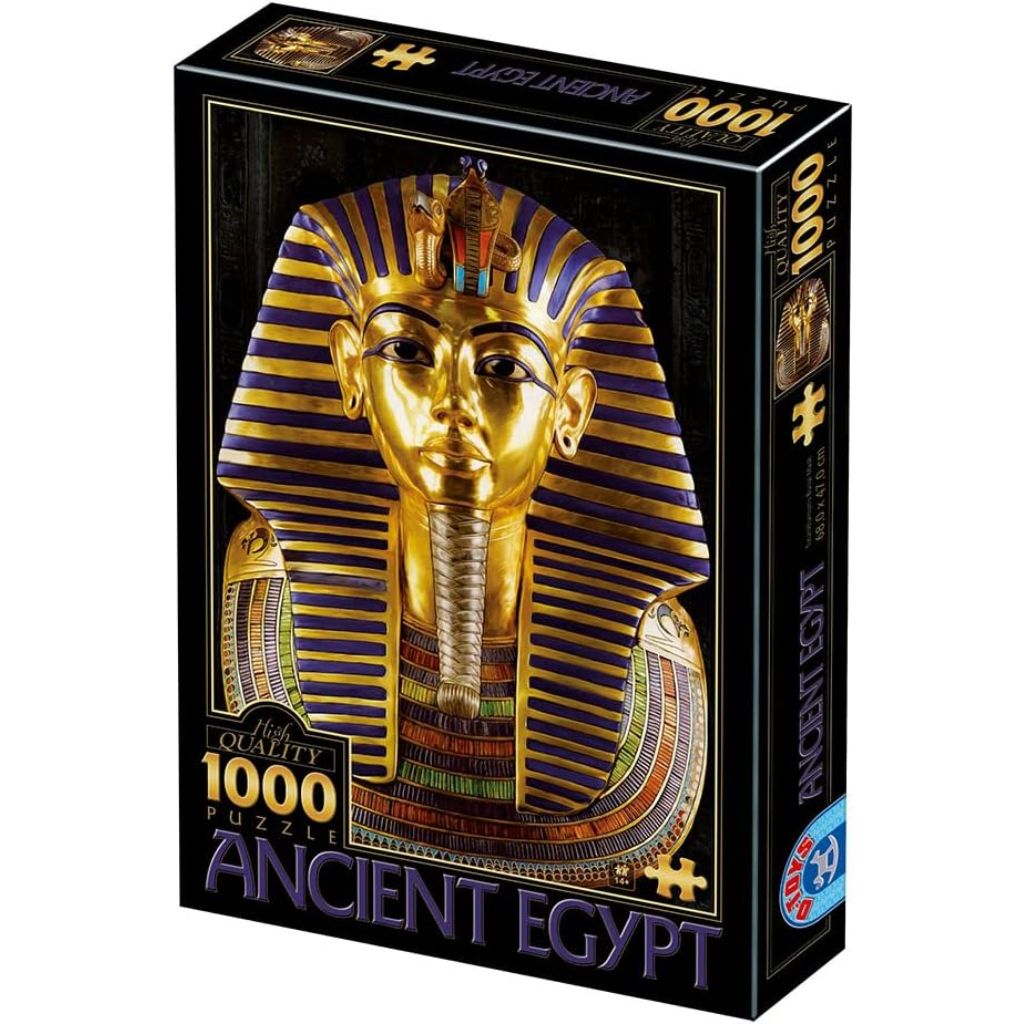
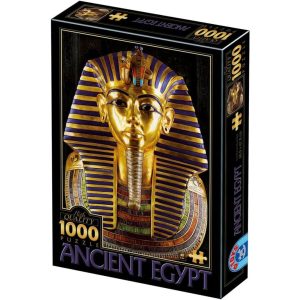
Tutankhamun’s Funerary Mask – 1000-Piece Puzzle
29,90

Puzzle Features

The Pyramid puzzle represents some of the most famous works known throughout the history of ancient art. The Egyptian art puzzles in the Pyramid puzzle represent some of the most famous and well-known works throughout the history of ancient art. In fact, all the typical elements of Ancient Egyptian art can be found in this work.

Thanks to this beautiful 500-piece art puzzle from D-Toys you can relive all the wonder of Egyptian art and enter the world of art puzzles piece by piece.

Ancient Egypt Pyramid Puzzle is one of the most fun tools to discover piece by piece all the works of Egyptian art.
Puzzle Art thanks to the new splendid edition of the brand D-Toys is pleased to offer you this art puzzle that pays homage to the great Egyptian art and its magnificent works that laid the foundations of art.

With this beautiful 500-piece classical Egyptian art puzzle from D-Toys, you can enter the magnificent world of Egyptian art.
Furthermore, through Egyptian art puzzles you will be able to open a new perspective on a fantastic way to discover art piece by piece.
Thanks to this beautiful 500-piece art puzzle from D-Toys, you can enter the magnificent world of art. Rebuild a real pyramid in the 500-piece version from D-Toys: a timeless masterpiece that will captivate you piece after piece.

Puzzle Pyramid Details

Ancient Egypt Pyramid Puzzle is one of the most fun tools to discover piece by piece all the works of Egyptian art.
Puzzle Art thanks to the new splendid edition of the brand D-Toys is pleased to offer you this art puzzle that pays homage to the great Egyptian art and its magnificent works that laid the foundations of art.

Number of Puzzle PiecesNumber of pieces
500
Puzzle BrandsBrand
D-Toys
Puzzle DimensionsPuzzle dimensions (cm)
28 x 28 x 22
Puzzle Box DimensionsBox dimensions (cm)
38 x 26.5 x 5.5

Well finished box
Wonderful gift idea

Famous work of art
Charm and mystery

500 pieces
Pyramid format

Description of the artwork

Egyptian art is one of the most singular and unique phenomena in human history. For nearly three millennia, it has maintained its own distinct, autonomous, and recognizable characteristics, remaining essentially indifferent to any external influence.

Egyptian art has ancient origins, dating back to before the 4th millennium BC, and over the centuries it has been intertwined with the art of neighboring cultures. Indeed, it was influenced by the Syrian-Phoenician and Eastern cultures. Its influence continued into the 19th century and beyond. It can be divided into two major periods: Predynastic art and Dynastic art.

Dynastic art, with three main periods, follows a non-linear evolution, characterized by some phases of great development interspersed with dark periods.

King Tutankhamun’s golden throne is a masterpiece of art, not only in ancient Egypt but also in modern art history. Tutankhamun’s throne, as in many Eastern countries, was a symbol of authority and prestige. In fact, six chairs were buried with Tutankhamun in his tomb, scattered throughout the Antechamber and the annex. For the ancient Egyptians, the hieroglyphics meant “Throne” and it was the emblem of the goddess “Isis.” Therefore, the king seated on the throne was represented as the son of “Isis,” who is the god “Horus”: the king was sacred because he is “Horus.”
British Museum Nebamun

Nebamun was an official, scribe , and grain accountant during the New Kingdom period in Egypt.
He is thought to have lived around 1350 BC and worked at the vast temple complex near Luxor, near Thebes, where the god Amun was worshipped.
Nebamun is known today because of the 1820 discovery of the richly decorated Tomb of Nebamun on the west bank of the Nile at Thebes.
Although the exact location of that tomb is now lost, a number of wall paintings from the tomb were acquired by the British Museum where they are now on display.
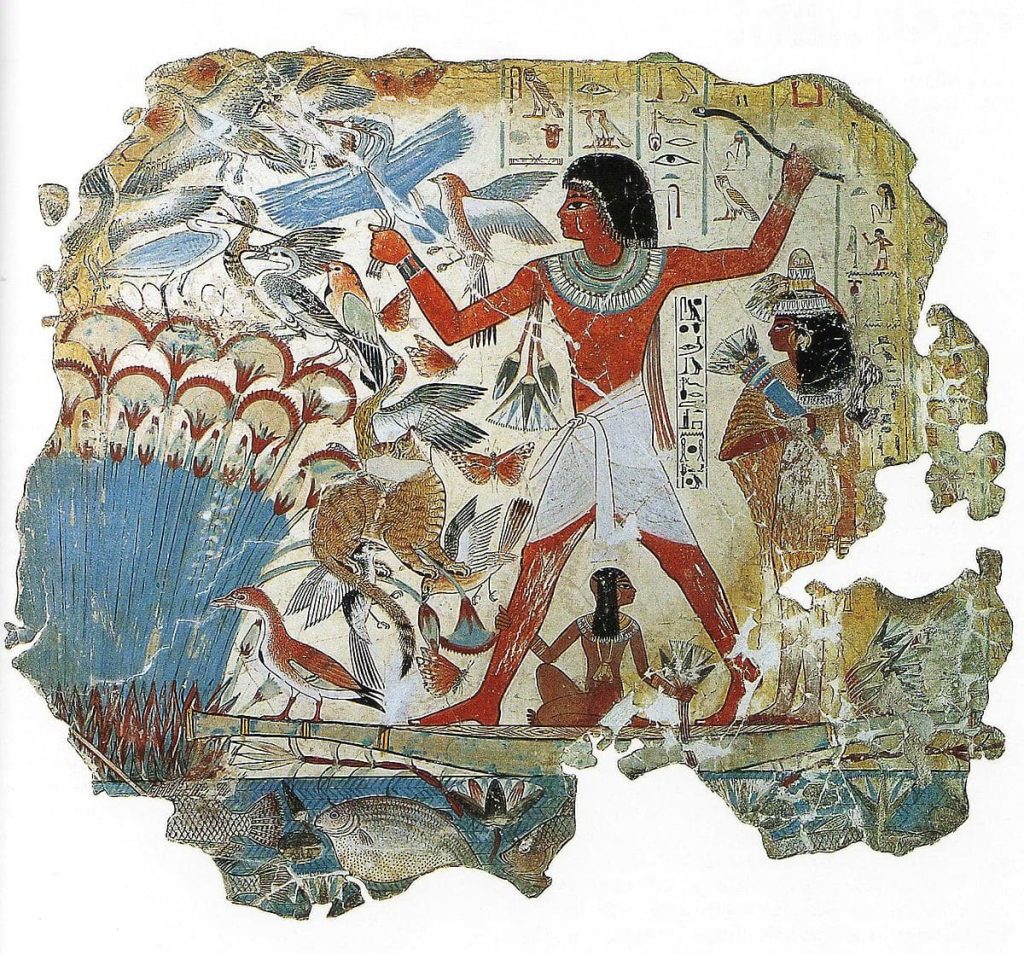
In the Nebamn fresco , the scribe is shown hunting birds in a small boat, in the Nile marshes, with his wife Hatshepsut and their young daughter.

This is more than just an everyday image. In fact, fertile marshes were seen as a place of rebirth and eroticism. The hunting animals could represent Nebamun’s triumph over the forces of nature as he was reborn. Nebamun’s enormous, striding figure dominates, forever happy and forever young, surrounded by the rich and varied life of the marsh.

There was originally another half of the scene, showing Nebamun throwing the fish. This half of the wall has been lost, except for two old photographs of small fragments of Nebamun and his young son. The painters captured the scaly, shiny quality of the fish. A tawny cat catches birds among the papyrus stalks. Cats were family pets, but it is shown here because a cat could also represent the sun god chasing away the enemies of light and order. Its unusual golden eye hints at the religious significance of this scene.

The artists have filled every space with vivid detail. The swamp is filled with lotus flowers and butterflies. They are painted freely and delicately, suggesting the pattern and texture of their wings.

Anubis is among the most ancient and important deities of the Egyptian pantheon: he presided over mummification and burial rites and was the lord of the necropolis.
He was represented, in Egyptian iconography, as a jackal or as a man with the head of a jackal.
This statue offers eloquent testimony to a syncretic divine figure, Anubis, who in the Roman context was assimilated to Mercury: the god with his jackal head, with a small solar disk on a crescent moon between his ears, wears a short tunic, a cloak and shoes, and holds the caduceus in his hand, in his function as ferryman of the dead to the Underworld (“psychopomp”).

British Museum Nebamun

The Nefertiti Bust

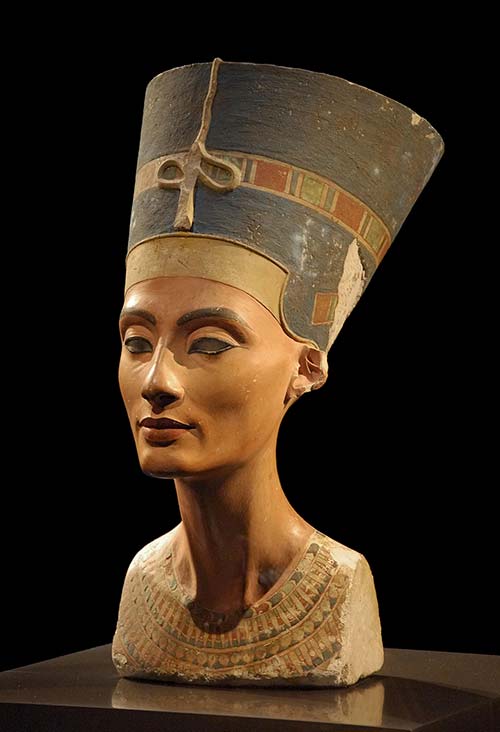
The Bust of Nefertiti is a painted stucco-covered limestone bust of Nefertiti, the Great Royal Wife of the Egyptian Pharaoh Akhenaten. The work is believed to have been created in 1350 BC by Thutmose because it was found in his workshop in Amarna, Egypt. Indeed, it is one of the most famous works of ancient Egypt, transforming Nefertiti into one of the most famous women of the ancient world and an icon of female beauty.

Busto Nefertiti

The bust is 48 centimetres tall and weighs approximately 20 kilograms and is made of a limestone core covered with layers of painted stucco.

The face is completely symmetrical and almost intact, but the left eye lacks the inlay present in the right. The pupil of the right eye is made of quartz inlaid with black paint and secured with beeswax.
Nefertiti wears her distinctive blue crown, known as the “Nefertiti Hood Crown,” with a golden diadem band wrapped around her like horizontal ribbons, meeting at the back, and a cobra on her forehead. She also wears a wide collar with a floral motif. With this elegant bust, Thutmose may have alluded to a heavy flower on its slender, glossy stem, exaggerating the weight of her crowned head and the length of her almost serpentine neck.

A German archaeological team led by Ludwig Borchardt discovered the bust in Thutmose’s workshop in 1912. It has been stored in various locations in Germany since its discovery, including a bank cellar, a salt mine in Merkers-Kieselbach, the Dahlem Museum, the Egyptian Museum Charlottenburg, and the Altes Museum.
It is currently on display at the Neues Museum in Berlin, where it was originally displayed before the Second World War.

The colored pigments of the head are composed of blue made with copper oxide, skin color made with powdered lime sponge and red chalk with iron oxide.
Furthermore, the yellow color is given by arsenic sulfide, the green is made with copper and iron oxide.
Finally the black and white are made with charcoal with wax as a binding medium and chalk.

Nefertiti’s left eye

When the bust was first discovered, no quartz was found for the iris of the left eyeball. Despite an intensive search and a significant £1,000 reward for information on its whereabouts, no information was ever found. Borchardt believed the quartz iris had fallen when Thutmose’s workshop fell into disrepair.
The missing eye led to speculation that Nefertiti may have suffered from an eye infection and lost her left eye, although the presence of an iris in other statues of her contradicted this possibility.

The bust of Nefertiti has become a cultural symbol of Berlin and ancient Egypt. It was also the subject of intense discussion between Egypt and Germany over Egypt’s demands for its repatriation, which began in 1924 when the bust was first shown to the public.

Reviews

There are no reviews yet.

Be the first to review “Egypt Pyramid Puzzle – 3D”

Your email address will not be published. Required fields are marked *

Complimenti!

hai una vera passione per l'arte!

Visto che sei arrivato fino a qui, meriti un premio!
Ecco uno sconto del 10% per il tuo prossimo capolavoro! ✨

Cosa se ne pensi di questi puzzle d'arte simili...

Novità!

25,00

Novità!
Hot Hot

29,90