





Additional information

Numero pezzi

Marca

Atmosfera

Artista

Occasione

Museo d'arte

Movimenti artistici

Difficoltà

Dimensioni dell'opera

129.2 cm x 194.3 cm

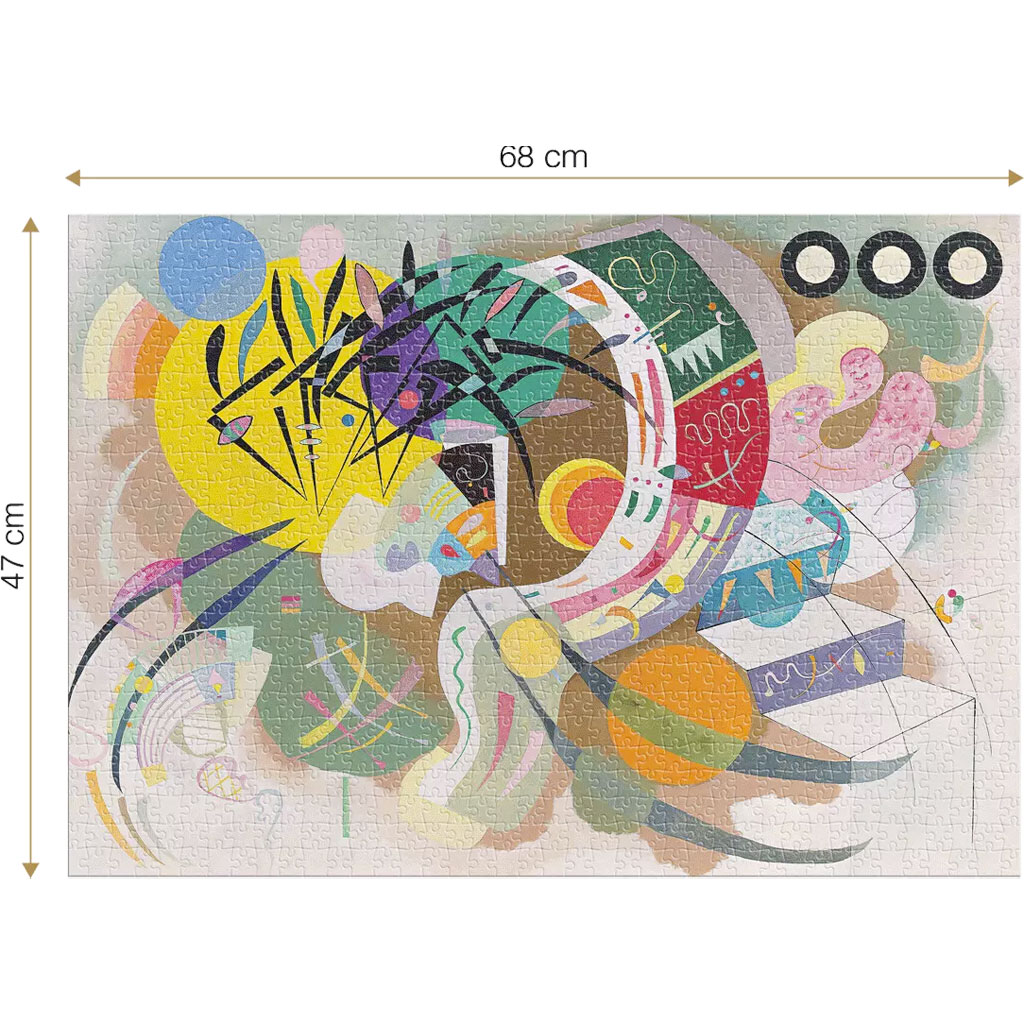
Dimensioni puzzle

68 cm x 47 cm

Dimensioni scatola

38 cm x 26.5 cm x 5.5 cm

EAN

5947502875925

5 motivi per acquistare i nostri puzzle d'arte

Puzzle Ricercati Puzzle Arte

Puzzle d’arte rari e ricercati

Spedizione Gratuita Puzzlearte

Spedizione gratuita sopra i 50€

Consulenza Puzzlearte

Consulenza e assistenza da veri esperti

Progetti Rimboschimento Puzzlearte

Progetti di rimboschimento

Bambini Puzzlearte

Progetti educativi per i più piccoli

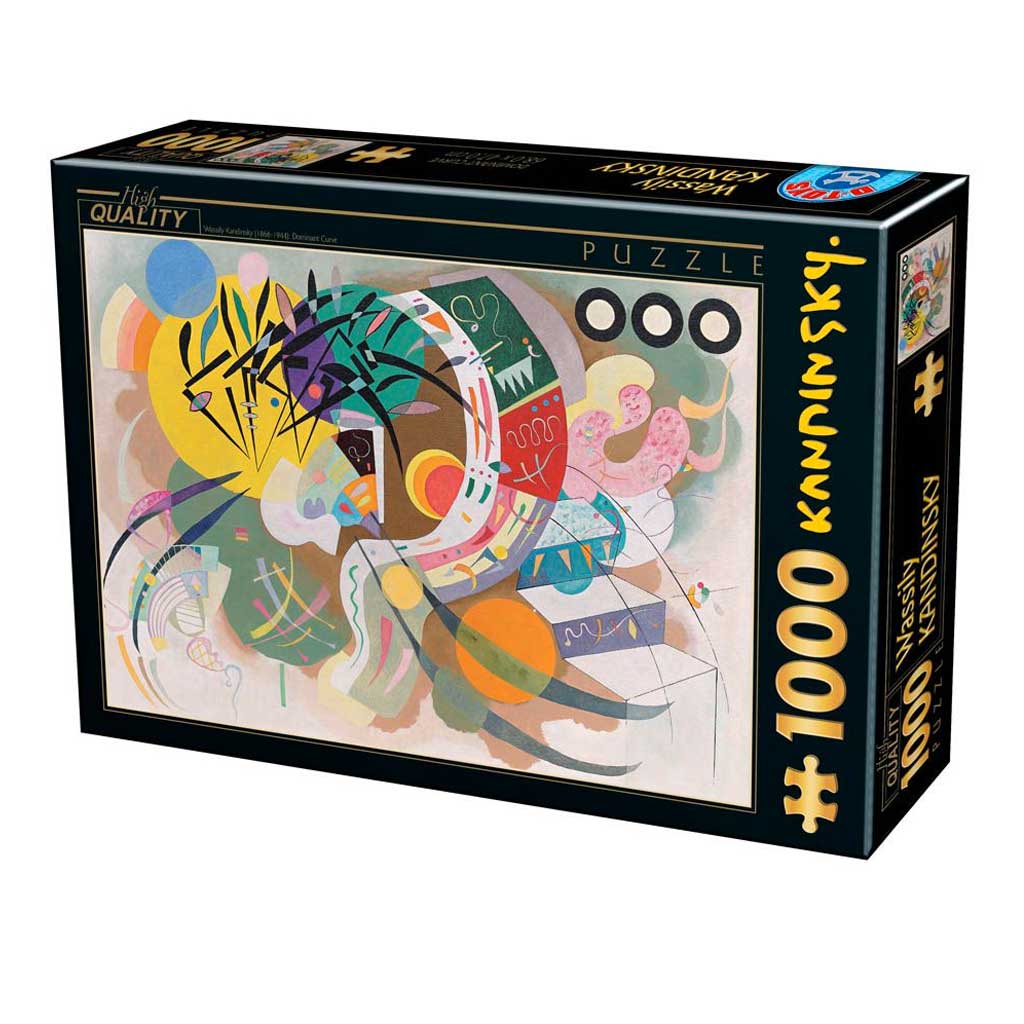
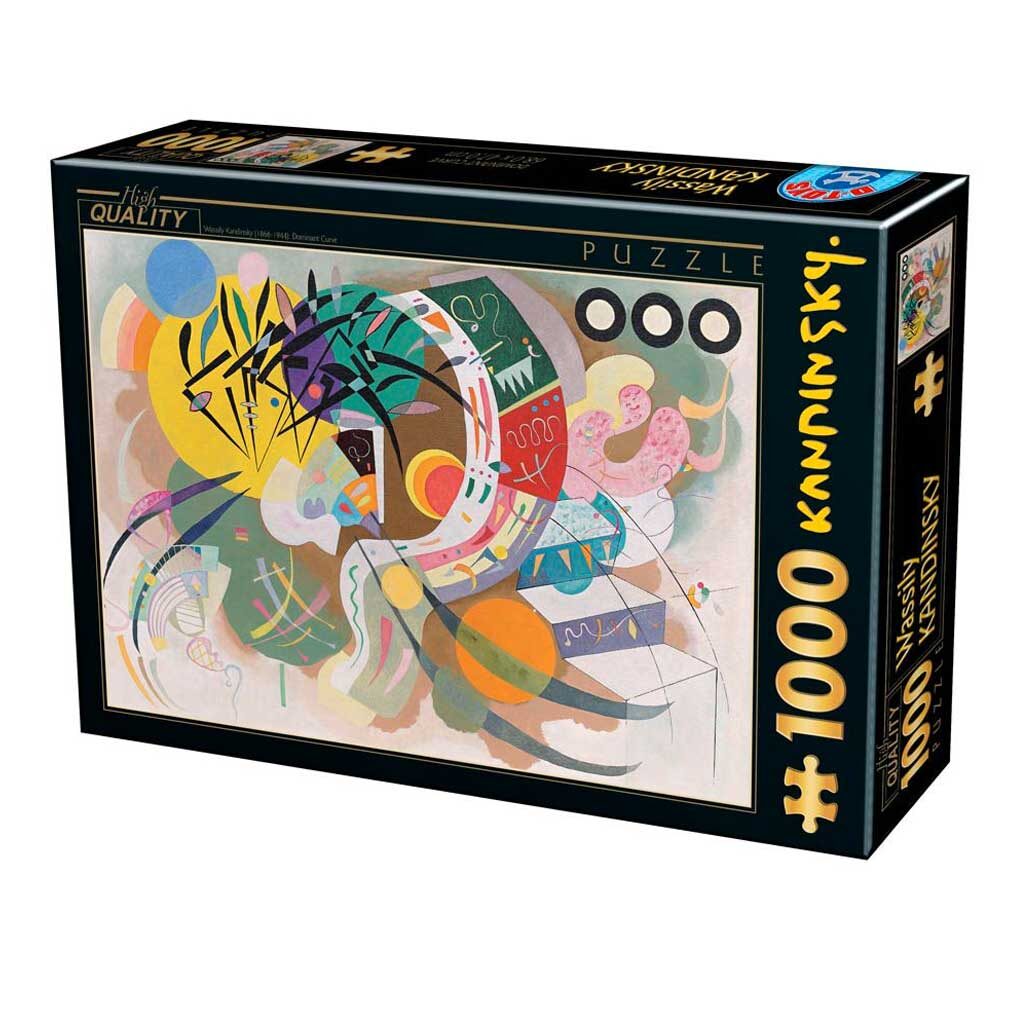
Kandinsky dominant curve – Puzzle 1000 pieces D-Toys

(0 customer reviews)
Novità!

25,00

25,00

2 in stock

Piece by piece, reassemble Kandinsky’s work Dominant Curve from 1000 pieces by D-Toys.
We have chosen Kandinsky’s Puzzles to allow you to enter into the deep intimacy of a work of art, transcending the subject by focusing only on the line, the point and the colour.

In fact, Kandinsky’s paintings do not obey calculation and logic, but rather feeling. These compositions by Kandinsky represented the culmination of his efforts to create “pure” painting.

Questo puzzle è momentaneamente esaurito.

Nel frattempo, ti suggeriamo alcuni puzzle d’arte che potrebbero piacerti!

Altri puzzle di Kandinsky

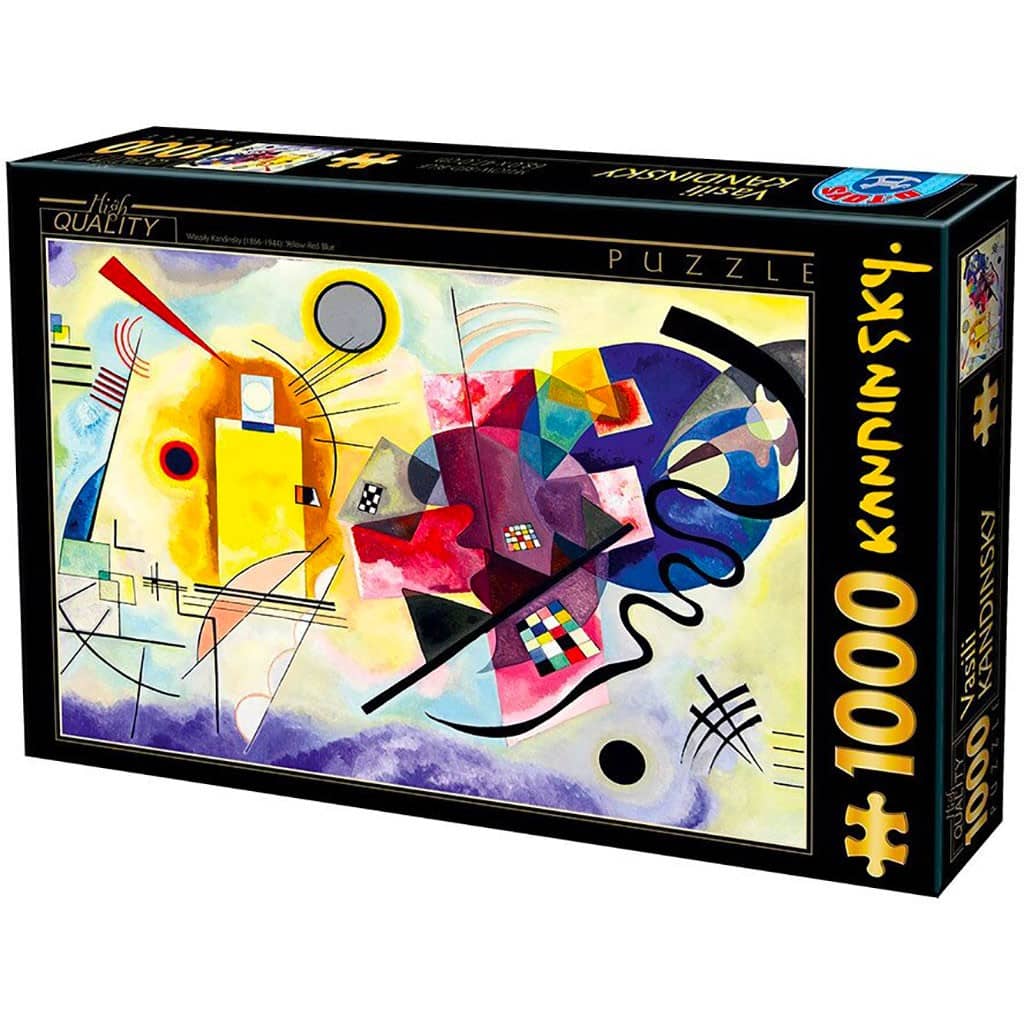
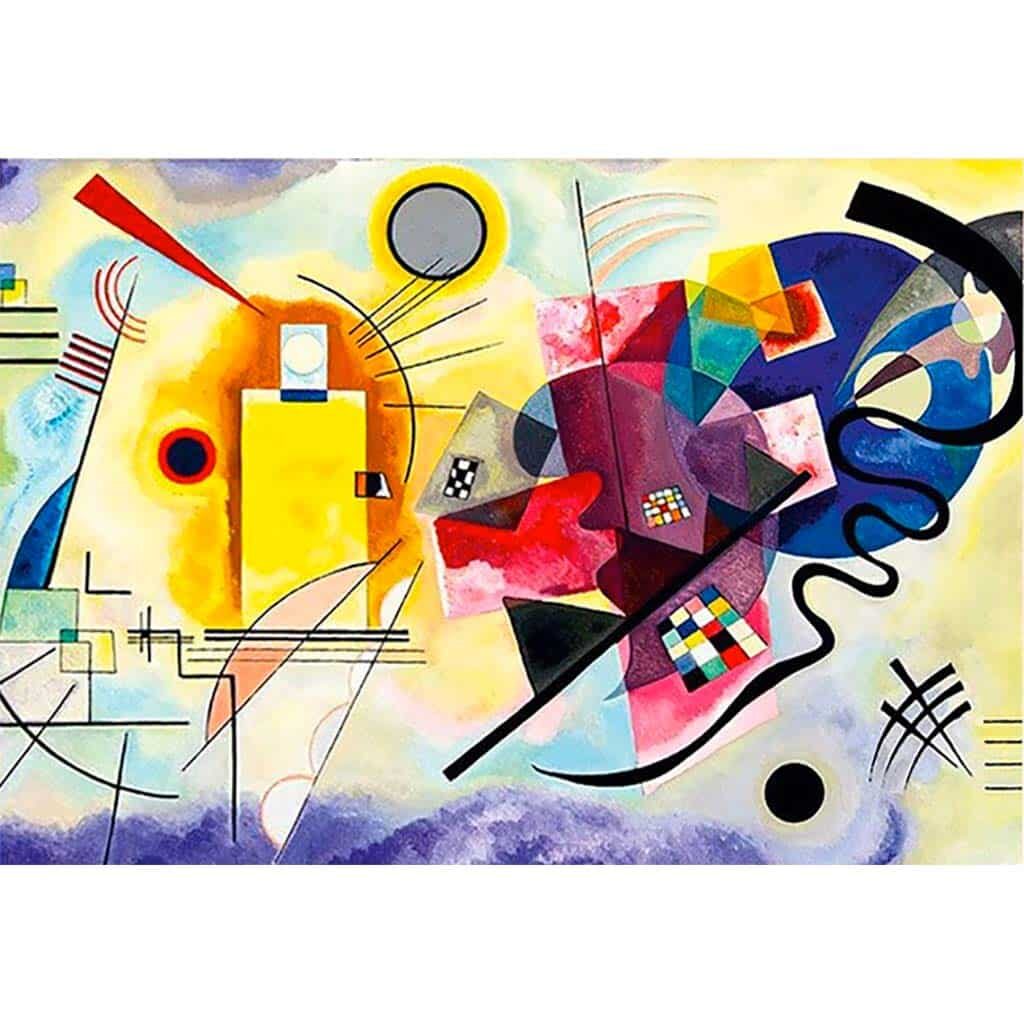
Puzzle 1000 Pezzi Kandinsky Giallo Rosso Blue
Kandinsky 1000 Piece Puzzle Yellow Red Blue
25,00
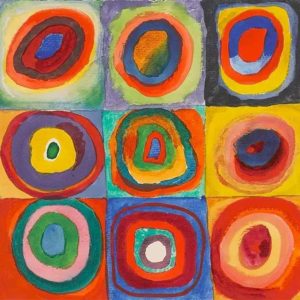
Puzzle Kandinsky Studio Sul Colore
Puzzle Kandinsky Study on Color
22,90€ – 25,00€Price range: 22,90€ through 25,00€
Kandinsky
Kandinsky – 1000 piece puzzle, The Whole
25,00

Puzzle Features

We have chosen Kandinsky’s work Dominant Curve 1,000-piece puzzle from D-Toys to delve, piece by piece, into the beauty of Kandinsky’s paintings.

For this reason we have opted for the best puzzle to create based on the abstract works of the great Russian painter of the twentieth century: Dominant Curves by Wassily Kandinsky.
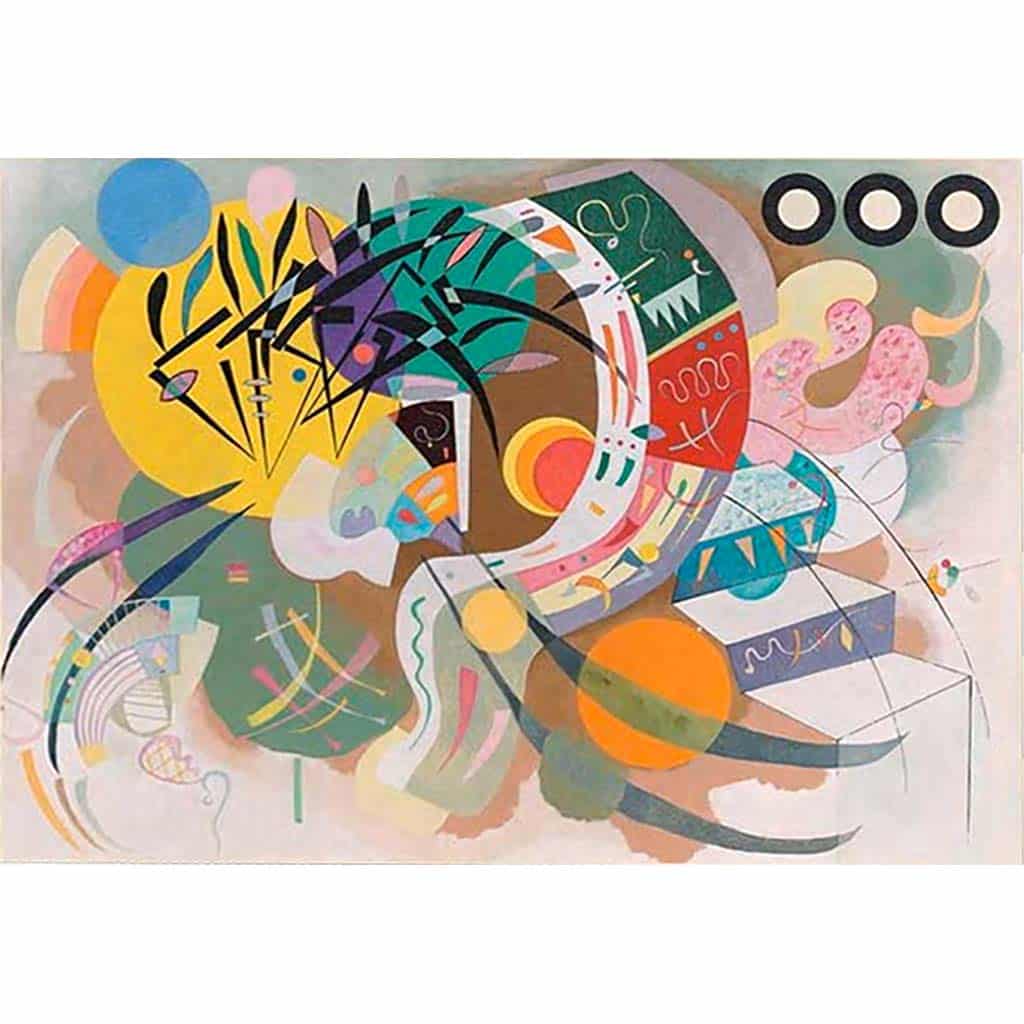
Kandinsky’s work Dominant curve is one of the paintings that best expresses the master of abstract art’s profound connection with the intimate relationship between color and emotion .

Kandinsky Dominant Curve 1000-Piece Puzzle in Detail

The Kandinsky Dominant Curve Puzzle 1000 pieces from D-Toys is an exciting puzzle that will allow you to discover the abstract art of Wassily Kandinsky.
The subject expresses all the vital force of the Russian master in the use of colors and his great ability to combine them as if they were musical notes creating real musical compositions in his paintings.

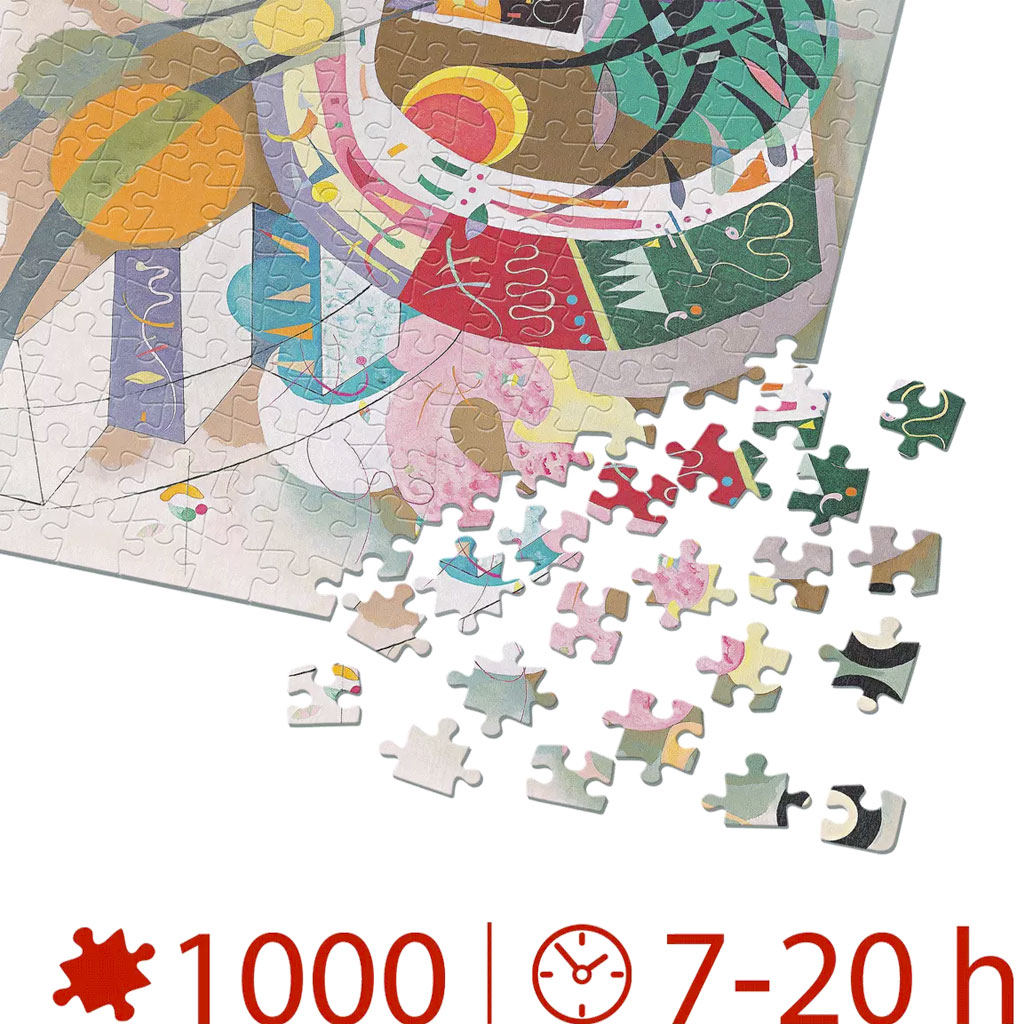
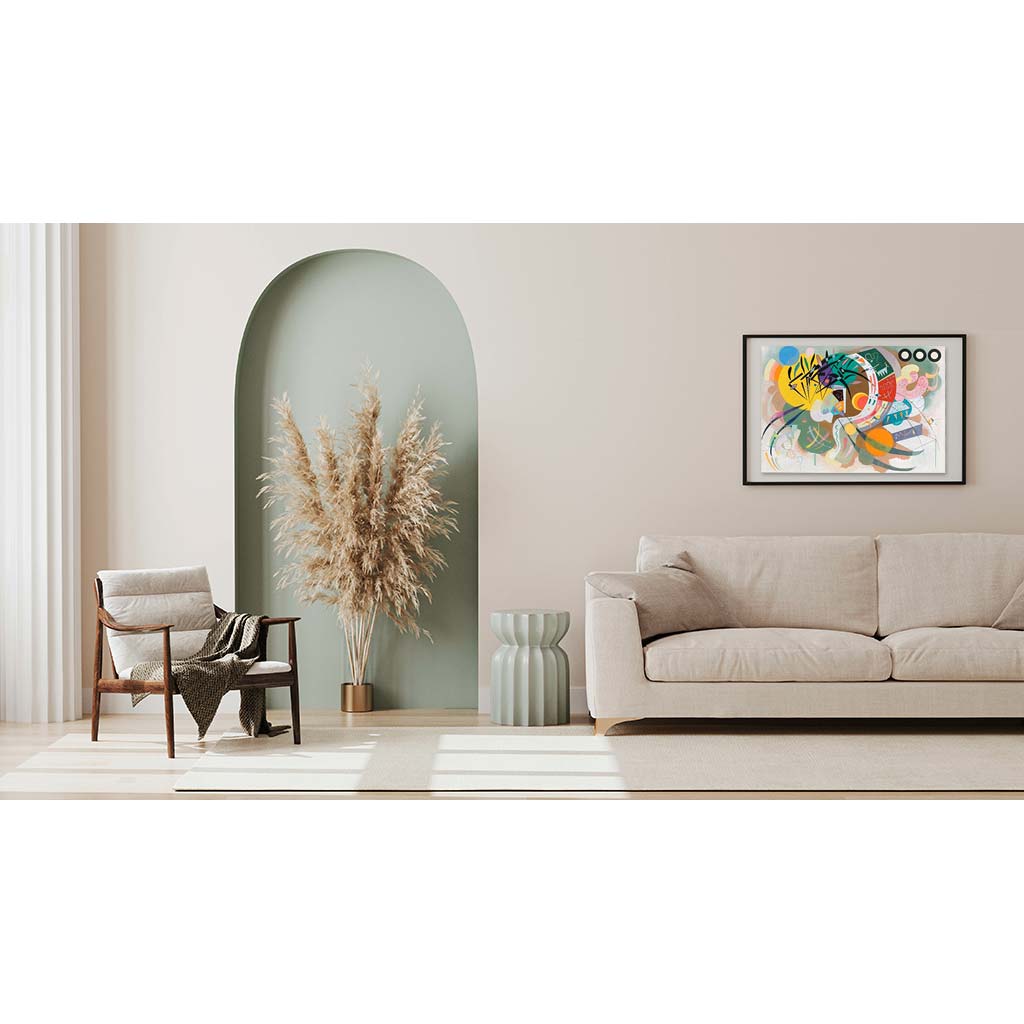
The image details are of excellent quality, as are the puzzle pieces, which are precisely cut and fit together perfectly. The edition we offer has a horizontal layout and is ideal for hanging in a dark wood or black frame that highlights the interior colors.

The puzzle is presented in a carefully crafted and well-finished package , making it perfect for any gift.

Number of Puzzle PiecesNumber of pieces
1000
Puzzle BrandsBrand
D-Toys
Puzzle DimensionsPuzzle dimensions (cm)
47 x 68
Puzzle Box DimensionsBox dimensions (cm)
38 x 26 x 5.5

Well finished box
Wonderful gift idea

Famous work of art
Avant-garde Art

1000 pieces
Standard grid

Description of the artwork

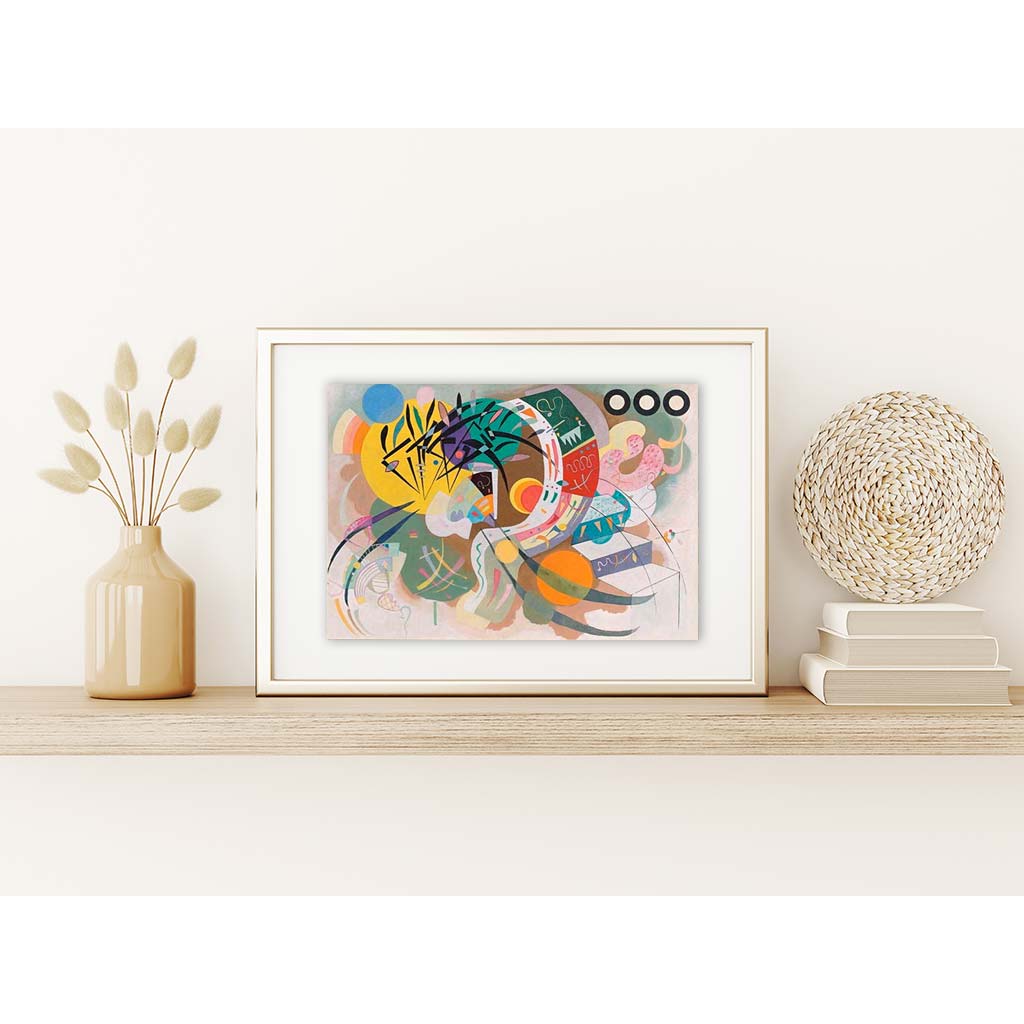
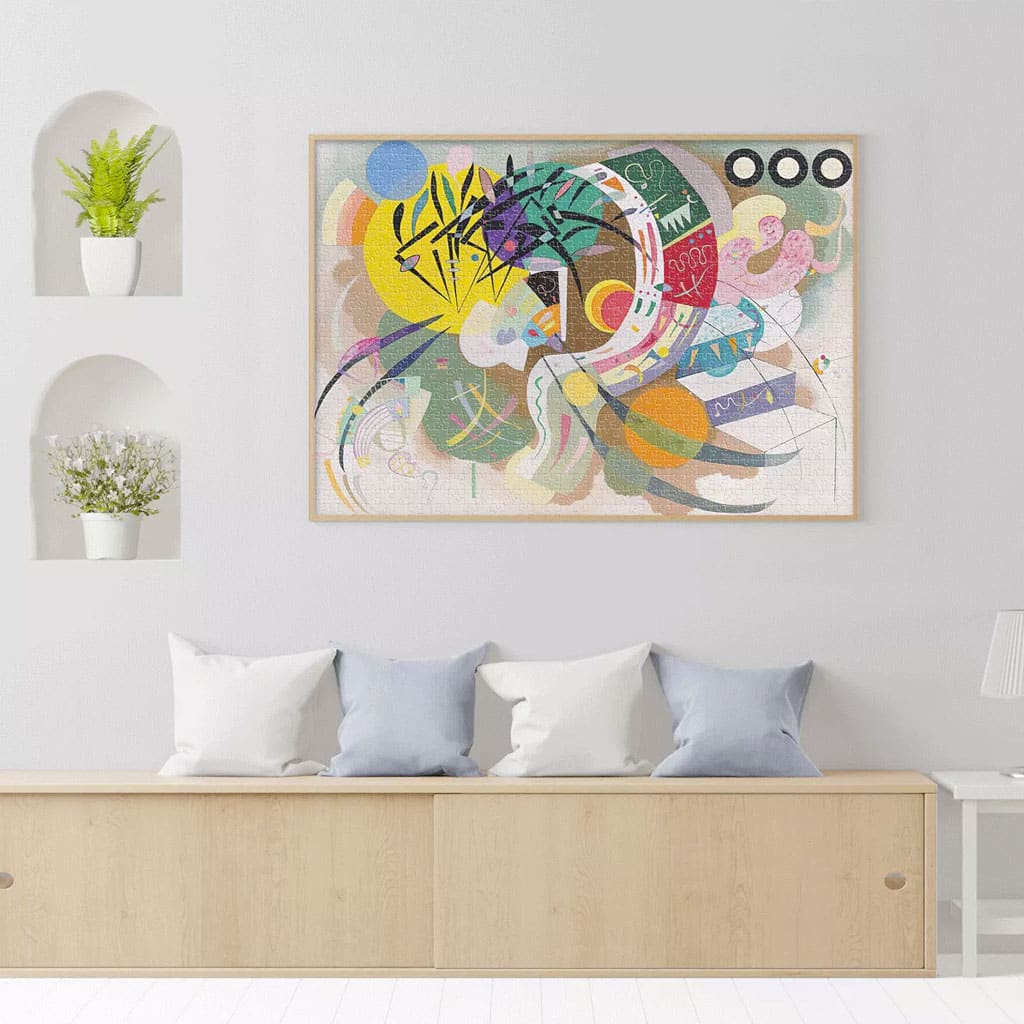
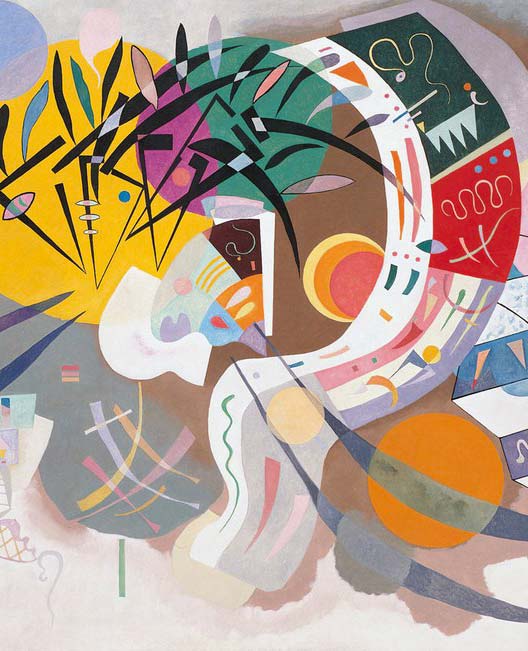
The painting “Dominant Curve” is one of the artist’s most striking and distinctive works. Indeed, the influence of surrealism is palpable in it. Along with the geometric forms typical of abstract art, Kandinsky introduces luminous objects and biomorphic images into this canvas.
In fact, the artist believed that every work of art was a thing in itself that did not require the public’s understanding and, as if to confirm this thought, he incessantly experimented with form and color.

In Kandinsky’s Dominated Curves, the multicolored work in this image is composed primarily of red and green paint. To its left are large yellow and green circles, which unexpectedly lend a kind of dark crimson hue at the intersection. In the upper right corner are ideal forms of black and white circles reminiscent of gramophone records. In the lower right corner are cubic shapes of a blue-white scale. The remaining details of the image appear to be of biological origin: pink and white circles resembling crustacean claws; two multicolored formations resembling a human profile; black and dark green elements, seemingly the stems and leaves of plants.
Father of Abstractionism

Wassily Kandinsky is known worldwide as one of the founders of abstract art. The great Russian painter, a Moscow lawyer, began his interest in art at the Impressionist exhibition , which he attended.
In fact, at thirty he decided to abruptly change his life and become an artist.

Kandinsky’s early works were already significantly different from anything his teachers had become accustomed to. The form was not yet abstract, but the bright, “acidic” colors caused misunderstanding and discontent among the older masters.

Gradually, in Kandinsky’s paintings, lines and colored spots replaced real objects and human figures. The images became more schematic, primitive; the very idea of ​​non-objective art fascinated the artist, but he lacked the courage to take the final step toward absolute abstraction.

Indeed, it is said that one evening, in his studio, Vasily saw a perfect canvas. The canvas was leaning against the wall, and as dusk fell, it looked unrealistically beautiful, astonishing with its incredible combinations of splashes of color. A minute later, the artist realized it was his painting turned upside down.

At that moment, Kandinsky realized that a combination of lines and spots could create the deepest impression and be extremely emotional.

Kandinsky was forced to leave Germany in 1933 due to political pressure. From then until 1944, his works were characterized by a general lightening of the palette and the introduction of organic imagery. Indeed, he began to break away from the rigidity of Bauhaus geometry, turning to the softer, more malleable forms used by Paris-based artists associated with Surrealism, such as Jean Arp and Joan Miró .

Kandinsky’s later, often whimsical, paintings were also influenced by the playful, detail-rich compositions of his longtime friend and Bauhaus colleague Paul Klee.

Reviews

There are no reviews yet.

Show reviews in all languages (1)

Be the first to review “Kandinsky dominant curve – Puzzle 1000 pieces D-Toys”

Your email address will not be published. Required fields are marked *

Complimenti!

hai una vera passione per l'arte!

Visto che sei arrivato fino a qui, meriti un premio!
Ecco uno sconto del 10% per il tuo prossimo capolavoro! ✨

Cosa se ne pensi di questi puzzle d'arte simili...

29,99