
| Numero pezzi | |
|---|---|
| Marca | |
| Atmosfera | |
| Artista | |
| Occasione | |
| Museo d'arte | |
| Dimensioni dell'opera | 195 cm × 102 cm |
| Difficoltà | |
| Dimensioni puzzle | 68 cm x 48 cm |
| Dimensioni scatola | 35 x 25 x 6 cm |
| EAN | 628136660594 |
5 motivi per acquistare i nostri puzzle d'arte





 Hot
Hot
25,00€
25,00€
1 in stock
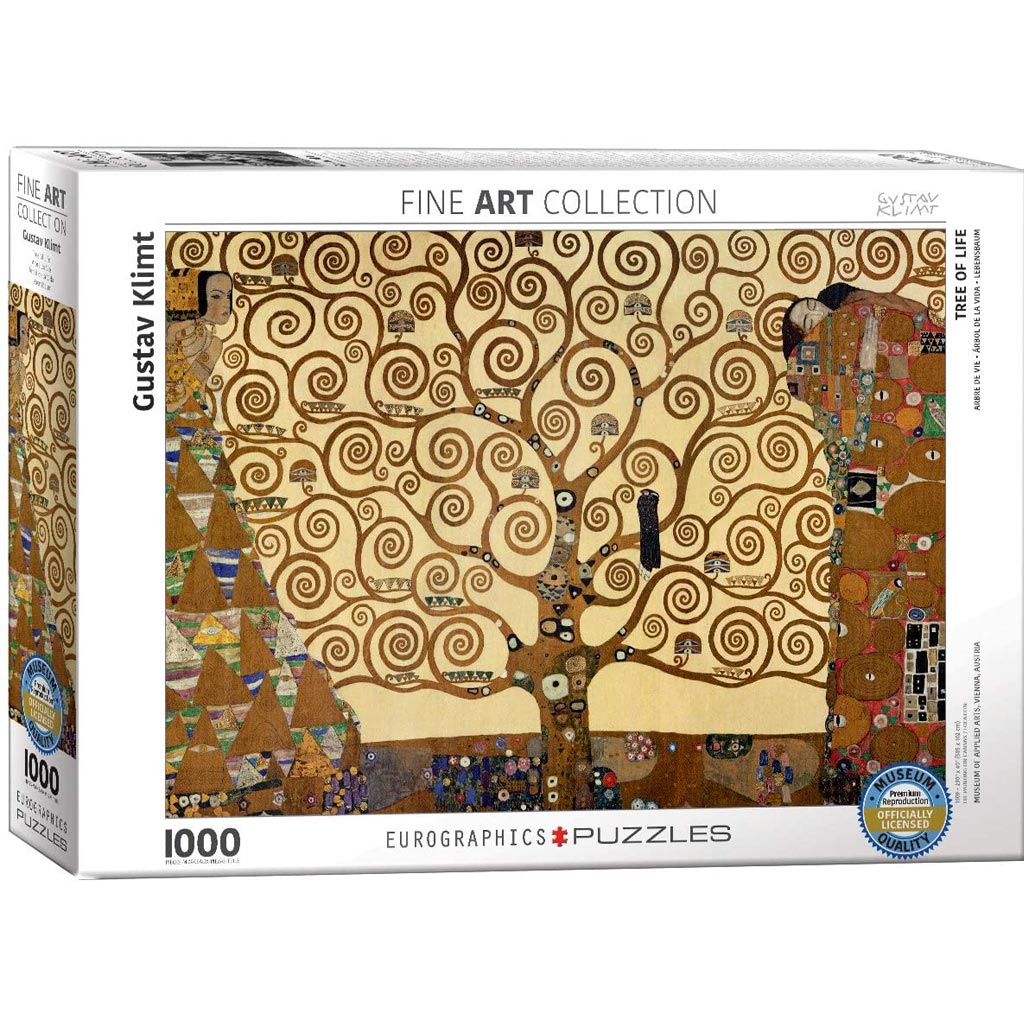
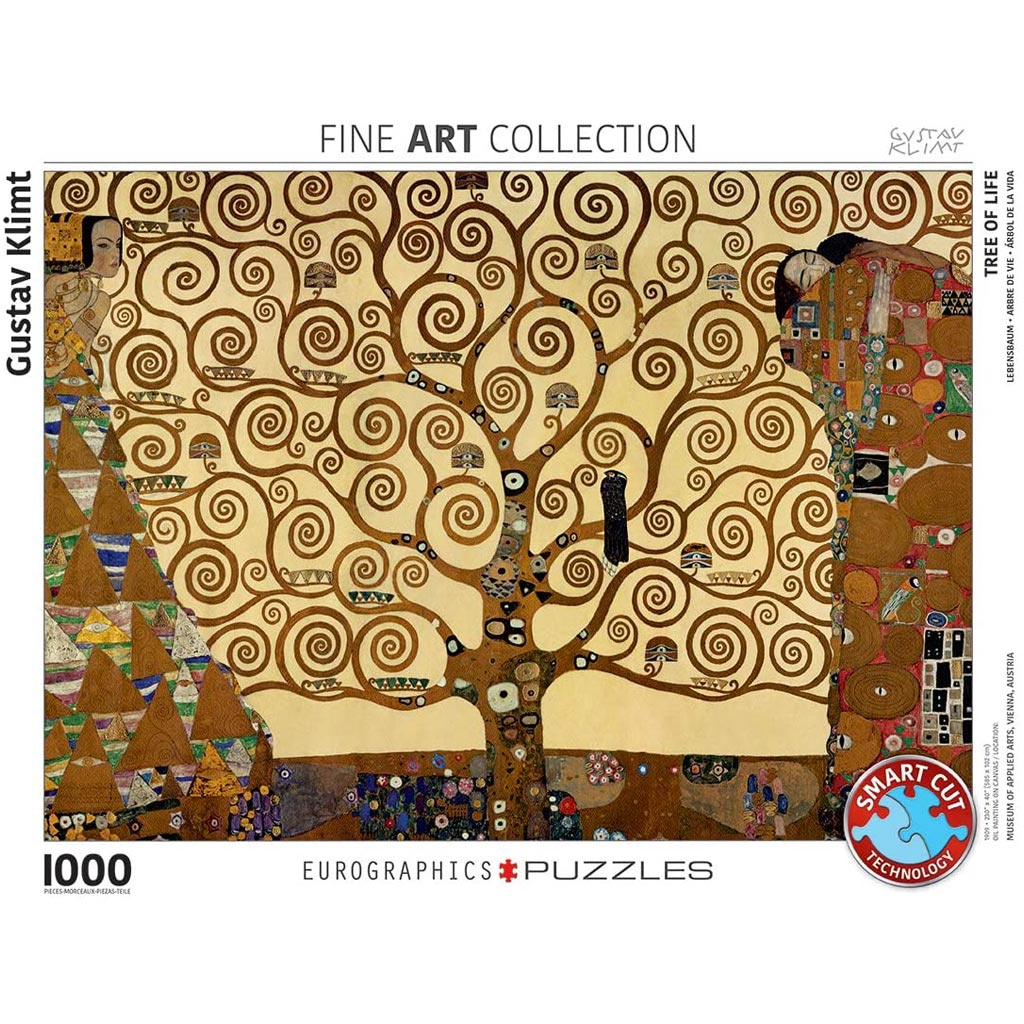
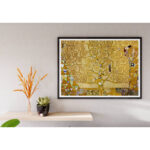
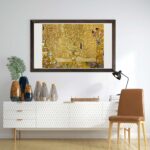
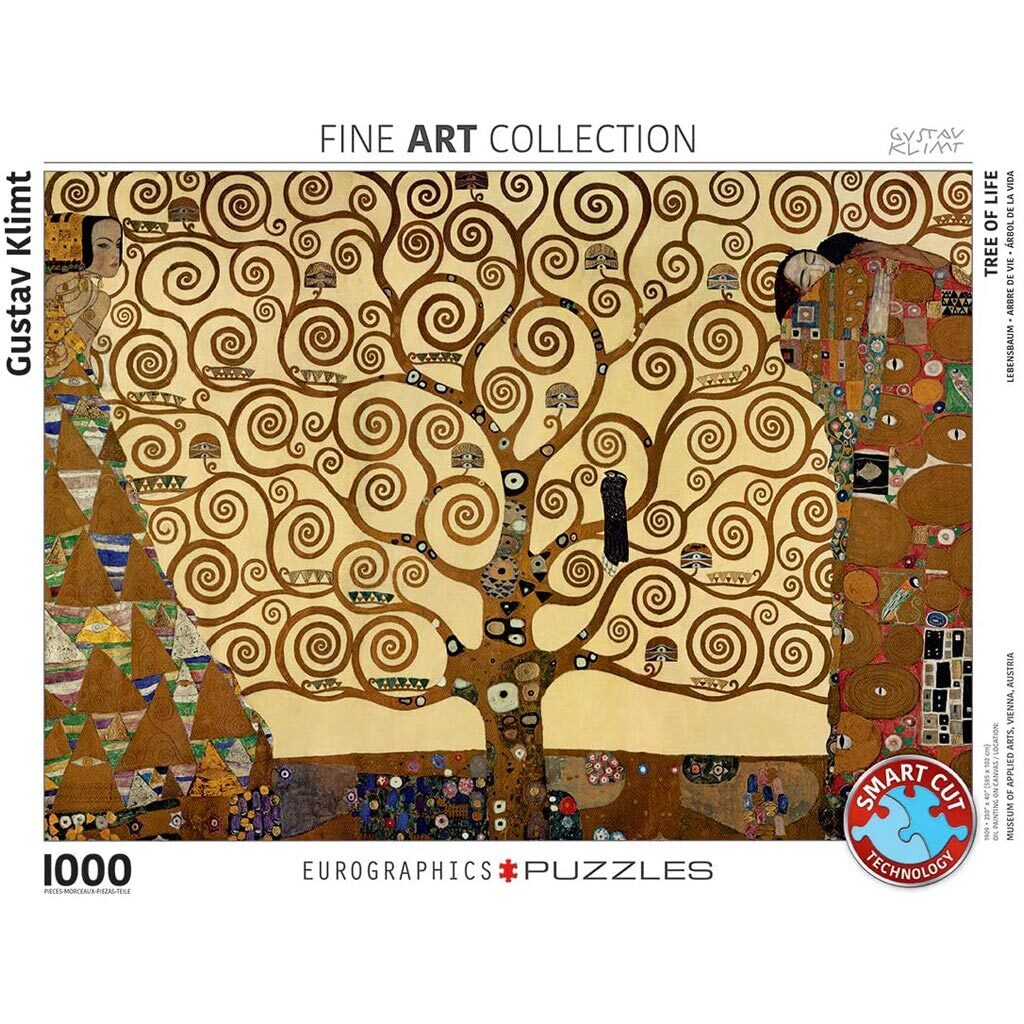
Discover one of the gilded masterpieces of the great Austrian master Gustav Klimt: The Tree of Life Klimt puzzle . This 1000-piece puzzle from EuroGraphics lets you enter the magnificent gilded world of the leading painter of the Great Viennese Secession and discover Klimt’s magnificent golden period.
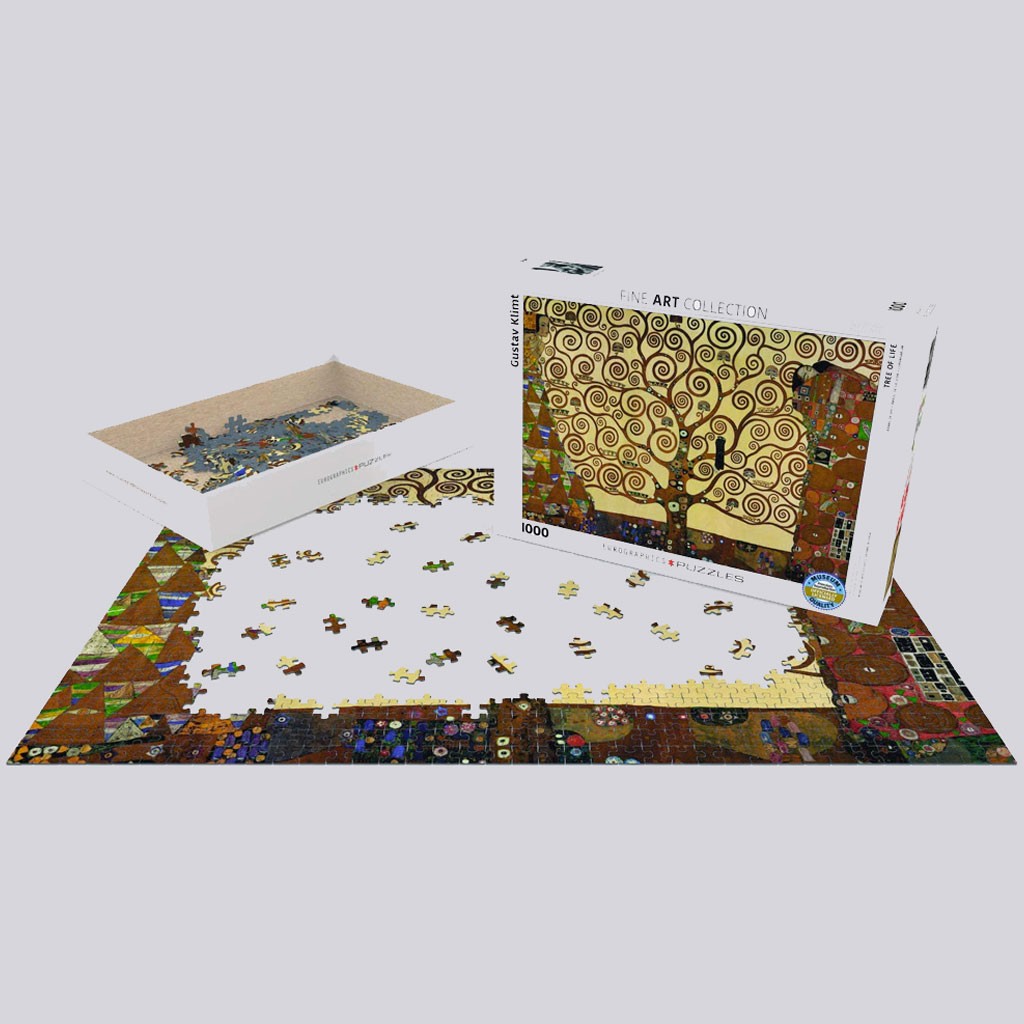
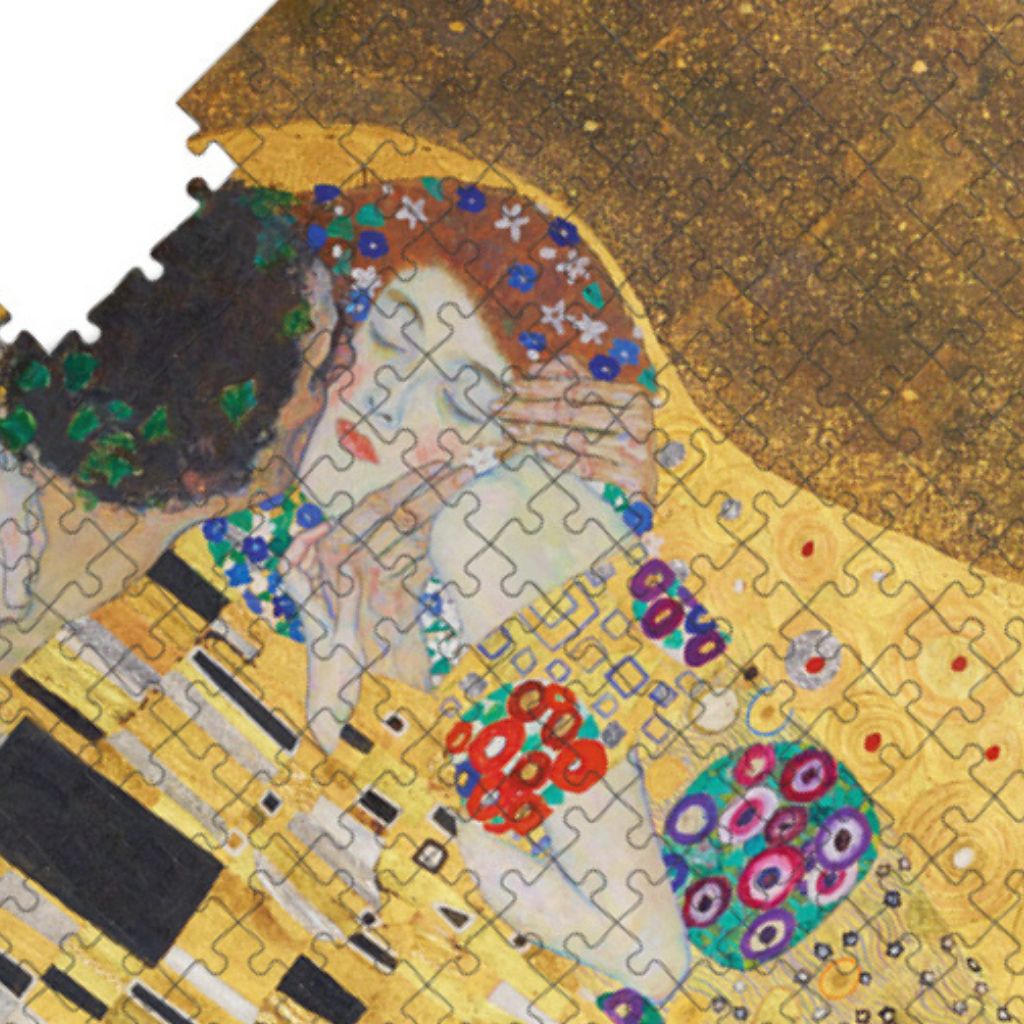
The image details are of excellent quality , furthermore the die is made with Smart-Cut Technology with unique and unusual shapes and just like snowflakes, no two pieces are the same.
The highest quality product is 100% recyclable, environmentally friendly and non-toxic.
Questo puzzle è momentaneamente esaurito.
Nel frattempo, ti suggeriamo alcuni puzzle d’arte che potrebbero piacerti!
The Klimt Tree of Life puzzle is one of the most fun and fascinating ways to discover art piece by piece.
Indeed, thanks to this wonderful 1000-piece art puzzle from EuroGraphics, you can discover all the marvelous and exquisite brushstrokes of the great master of the Viennese Secession. The extensive use of gold and mixed techniques, combining portraiture and mosaic, make Klimt’s paintings incredibly powerful and communicative.
The Klimt Tree of Life puzzle is suitable for both experienced puzzle makers and beginners thanks to its simple backgrounds and variety of colors, which make the puzzle experience a moment of pleasure to share.
The subject of the 1000-piece puzzle, The Tree of Life by Klimt, from EuroGraphics, is a fascinating example of the grandeur and magnificence of the Viennese Secession.
The subject of the puzzle the Tree of Life Klimt puzzle is extremely engaging with the gold color and the details of the composition.
The puzzle’s lines are bold, the colors bright , and the details are meticulously crafted. The pieces are sturdy, and the fit is of excellent quality.
Smart Cut Technology
 | Number of pieces 1000 |  | Brand Eurographics |
 | Puzzle dimensions (cm) 48 x 68 |  | Box dimensions (cm) 35 x 25 x 6 |
Well finished box
Wonderful gift idea
Famous work of art
Best-selling puzzle
1000 pieces
Standard grid
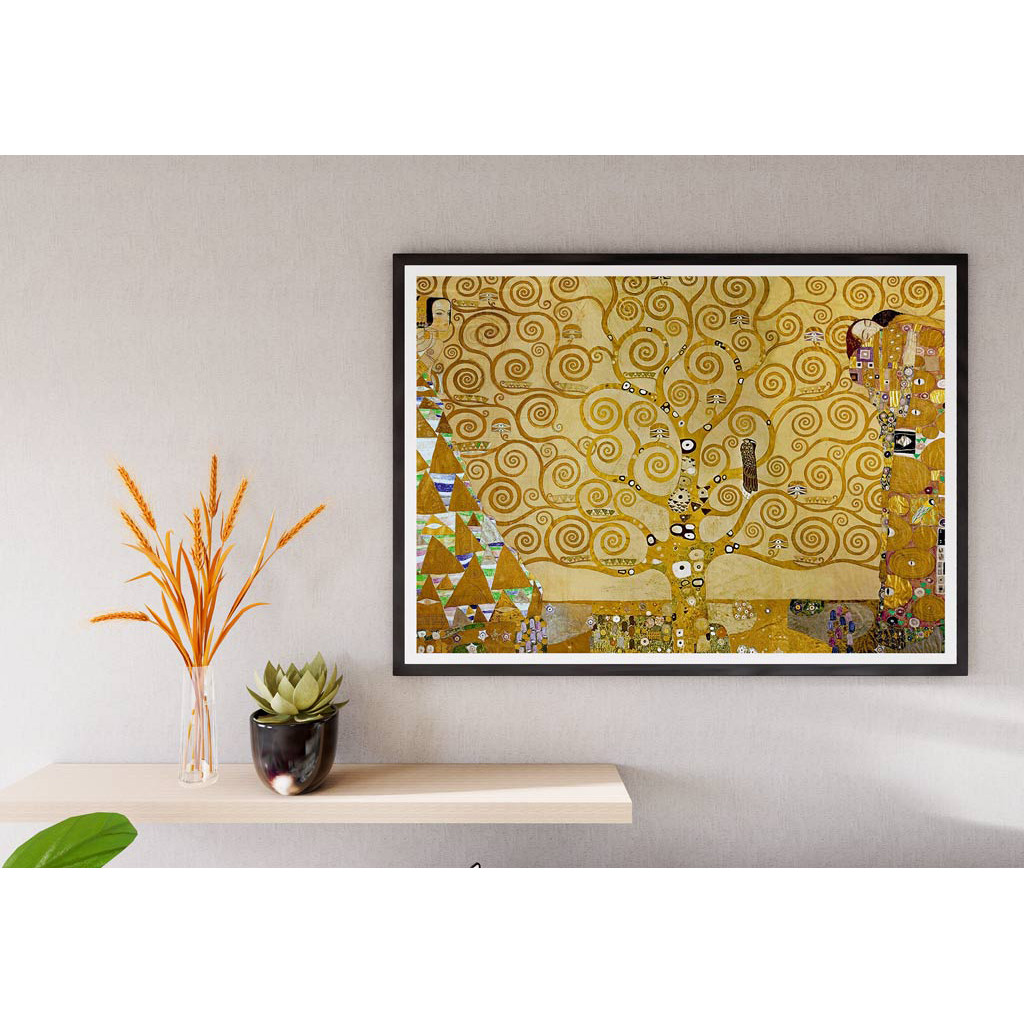
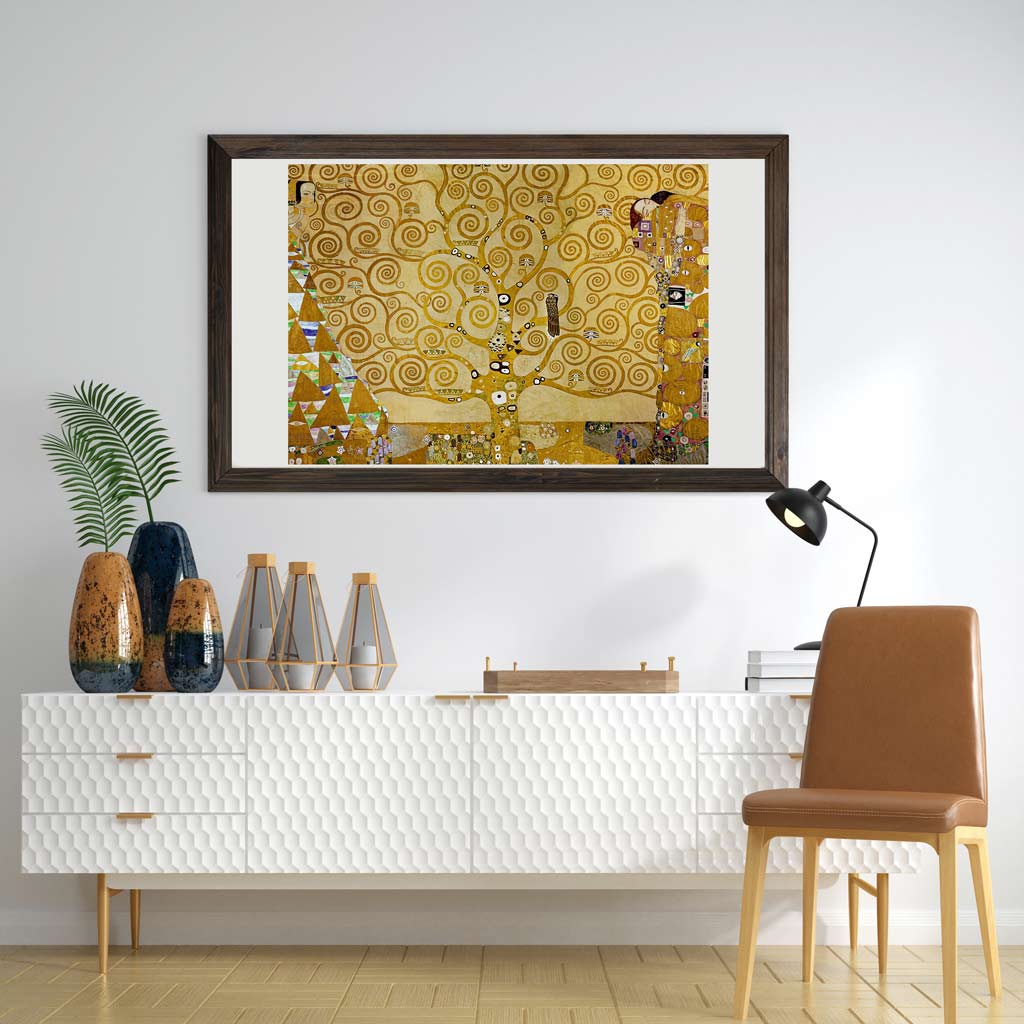
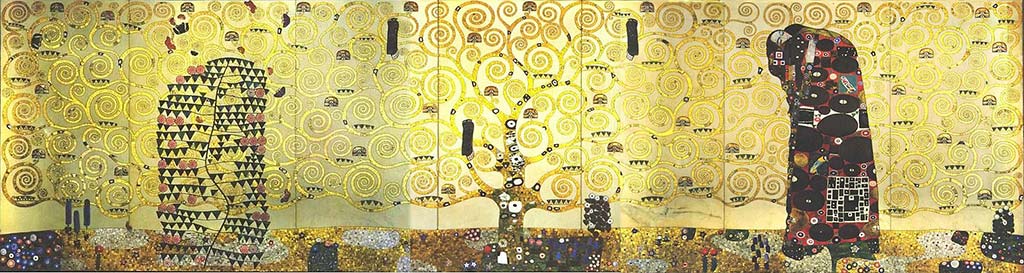
The Tree of Life from the Stoclet Frieze by Klimt is a painting by the Austrian Secessionist painter Gustav Klimt.
It was completed in 1909 and is based on the Art Nouveau style in a symbolist painting genre. It is large in size, measuring 195 cm x 102 cm, and is housed at the Museum of Applied Arts, Vienna, Austria.
Gustav Klimt’s Tree of Life is a work created for the Brussels residence of industrialist Adolphe Stoclet. The complete work consists of three panels: Klimt’s Tree forms the central section; the other two sections represent Klimt’s Waiting and Klimt’s Embrace.
The works were created by the artist and depict swirling trees of life, a standing female figure and an embracing couple.
The mosaics are distributed over three walls of the dining room of the Palace.

The Stoclet Frieze is a series of three mosaics created by the Austrian painter Gustav Klimt for a 1905–1911 commission for the Palais Stoclet in Brussels. The panels depict the swirling Tree of Life, a standing female figure, and an embracing couple. These mosaics are part of a larger commission by the Belgian financier Adolphe Stoclet and his wife Suzanne.
The Stoclets hired architect Josef Hoffmann and an art collective to design, decorate, and furnish a spacious villa with formal gardens.
The Stoclet family, art collectors with diverse and eclectic tastes, owned a collection that encompassed works from a range of periods and cultures, from the Far East to the New World , and included Egyptian sculptures, Chinese ceramics and jades, Byzantine icons and jewelry, miniatures from Persia and Armenia, as well as numerous medieval Western paintings.
The panels commissioned from Gustav Klimt were positioned along three walls of the Palais’s dining room, with the two larger figural sections arranged opposite each other along the longest walls of the room.
A smaller geometric panel occupies the low wall separating them. The designs are decorated with a variety of luxurious materials, including marble, ceramic, gold tiles, and enamel, along with pearls and other semi-precious stones.
The dining room, with Gustav Klimt’s famous Tree of Life frieze, struck the Belgian architects as otherworldly. “I think I’m on the planet Mars!” one of the architects exclaimed incredulously during his visit.
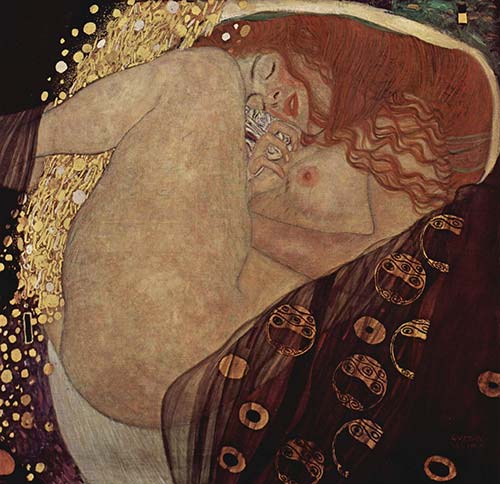
The artist returns to Greek mythology, a beloved source during the early years of the Secession, but with a very different result, far from the imperiousness of the depictions of ten years earlier. The myth of the girl possessed by Jupiter, transformed into a shower of gold, lends itself well to illustrating some of Klimt’s most frequent themes, such as eroticism and fertility. The painter approaches the subject in a refined and allusive manner, transforming the nocturnal encounter between the god and the daughter of the king of Argos into an episode from a dream. Danae, spied in the intimacy of sleep , is curled up in a confined space, once again almost suffocated by detail. In her reclining face and half-open mouth, Klimt captures the woman’s total abandonment , both in repose and in amorous ecstasy, subtly highlighted by the slight contraction of her hand.
The narrative aspect is therefore entrusted solely to the downpour of the golden rain, which becomes a pretext for what is perhaps the main subject of the work, the triumph of instinct, of which only woman is capable, a creature both dangerous and closer to the natural world.
The unusual position of the figure , in fact, undoubtedly recalls that of the fetus in the mother’s womb , while the rustling of the semi-transparent veils introduces a sensual note into the painting.
Formally, the work indicates the approaching end of the Golden Age. Not only is color no longer the dominant element of the representation, but above all, the decorative and two-dimensional component, while still present, tends to lose importance, in favor of a return to figuration.
In the following years the painter will go through a long crisis and the decline of the secessionist utopia, which believed it could aestheticize every aspect of life, will coincide with a new stylistic phase.
Le recensioni sono disattivate per questo prodotto.
Complimenti!
hai una vera passione per l'arte!
Visto che sei arrivato fino a qui, meriti un premio!
Ecco uno sconto del 10% per il tuo prossimo capolavoro! ✨
24,90€
49,99€ Original price was: 49,99€.45,00€Current price is: 45,00€.
19,99€ – 49,99€Price range: 19,99€ through 49,99€