

| Numero pezzi | |
|---|---|
| Formato | |
| Atmosfera | |
| Occasione | |
| Difficoltà | |
| Marca | |
| Artista | |
| Museo d'arte | |
| Movimenti artistici |
5 motivi per acquistare i nostri puzzle d'arte





22,90€ – 25,00€Price range: 22,90€ through 25,00€
22,90€ – 25,00€Price range: 22,90€ through 25,00€
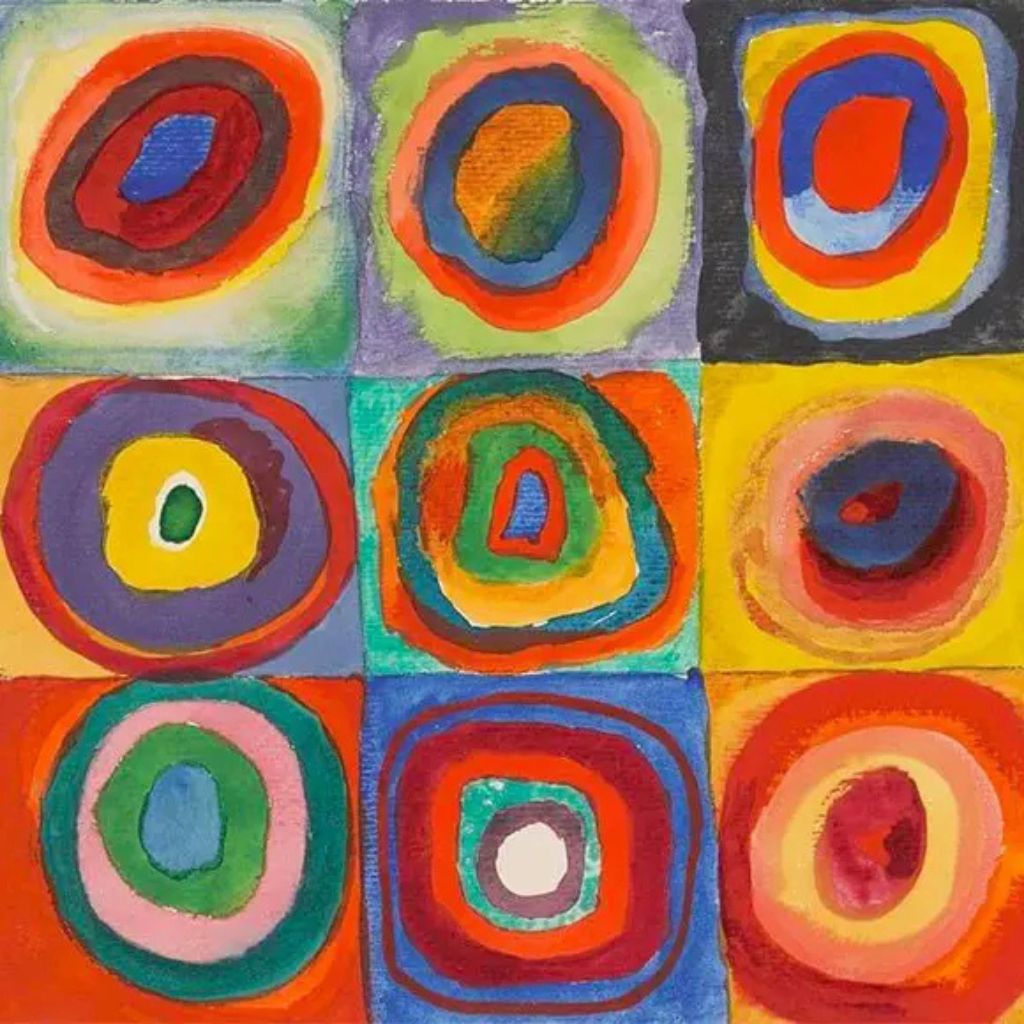
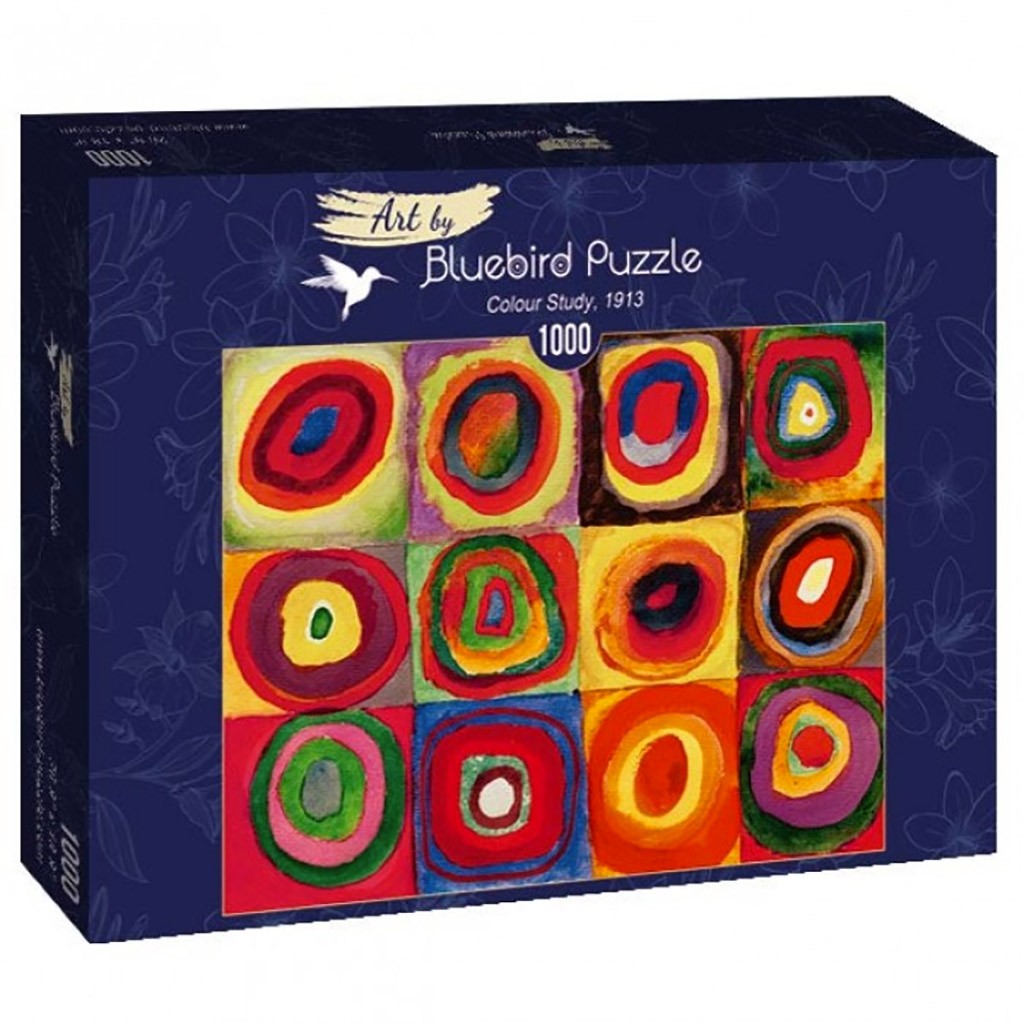
Piece by piece, put together the Kandinsky puzzle “Study of Color”.
Reconstruct all the colors and combinations used by the Russian master like the notes of an exciting musical composition.
Questo puzzle è momentaneamente esaurito.
Nel frattempo, ti suggeriamo alcuni puzzle d’arte che potrebbero piacerti!

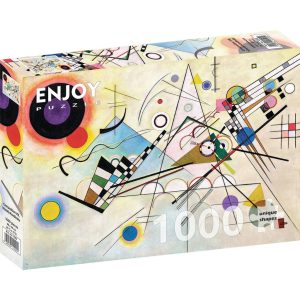
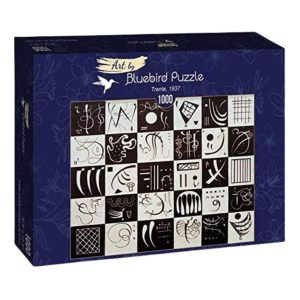
We chose the Kandinsky Study of Color puzzle to discover, piece by piece, the beauty of the abstract works of the great twentieth-century Russian painter.
The Study of Color is one of Kandinsky’s paintings that best expresses the master of abstract art’s profound connection with the intimate relationship between color and emotion.
In fact, Kandinsky, in his paintings and in his artistic expression, seeks the profound and incisive relationship between the painter and his art.
Furthermore, freed from representation, abstract art expresses the true meaning of art: an incomprehensible force between the work and the artist.
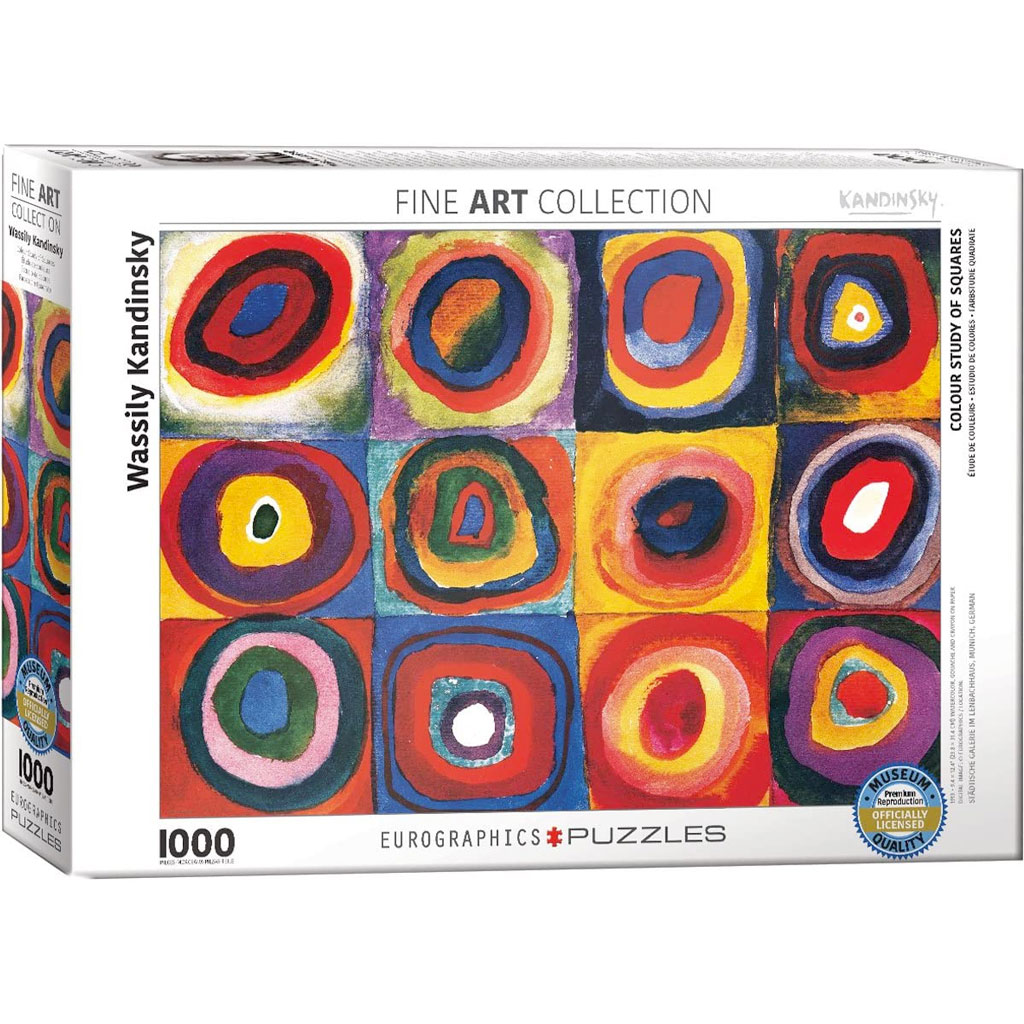
The 1000-piece Kandinsky Study of Color puzzle from Eurographics is a truly fun and cheerful puzzle.
The subject expresses all the vital force of the Russian master in his use of colors and his great ability to combine them as if they were musical notes.
The image can be completed quite easily, perhaps with the help of your children.
The little ones could have fun finding and sorting all the tiles according to their color shades, thus helping dad and mom.
 | Number of pieces 1000 |  | Brand Eurographics |
 | Puzzle dimensions (cm) 68 x 48 |  | Box dimensions (cm) 35 x 25 x 6 |
Museum Quality
Wonderful gift idea
Famous work of art
loved by children
1000 piece puzzle
Standard grid
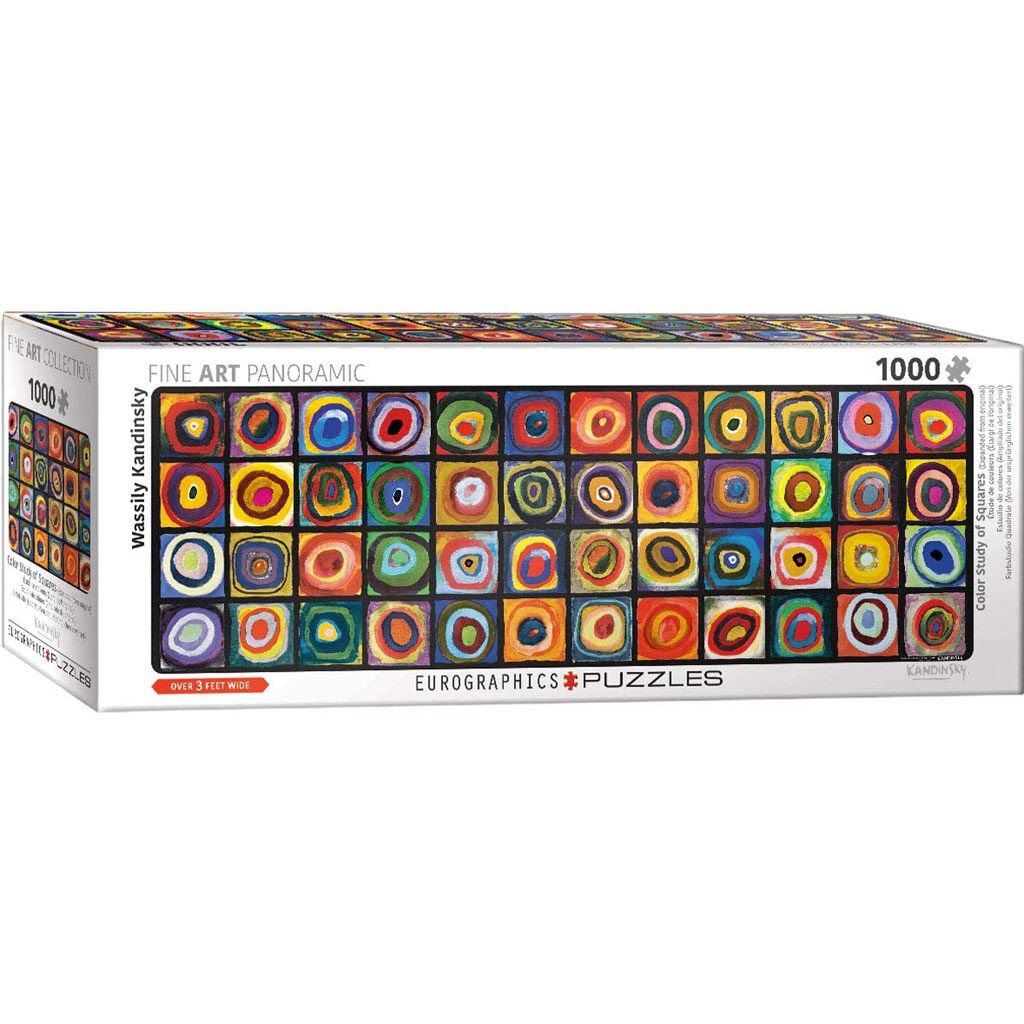
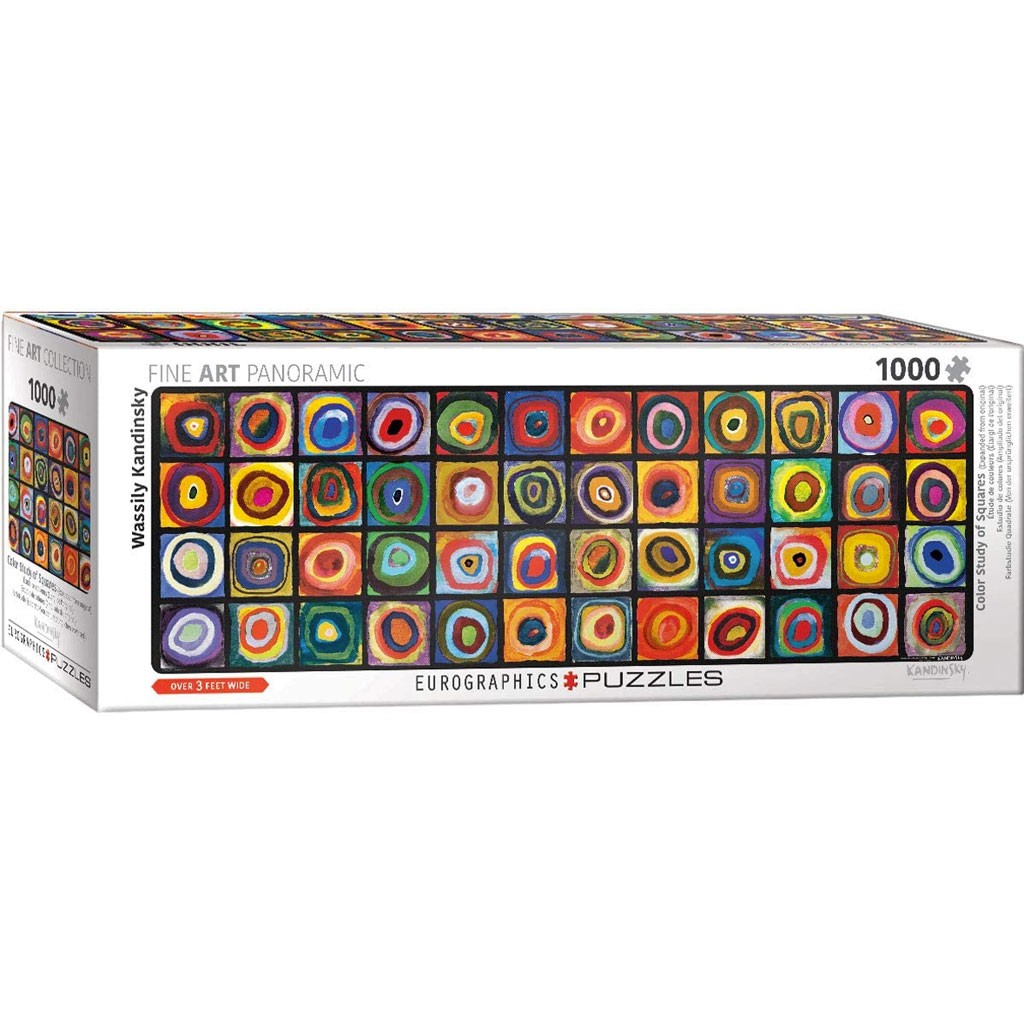
The Kandinsky Study of Color puzzle in the wonderful 1000-piece panoramic version by EuroGraphics is a truly fun and cheerful puzzle.
The use of colors in this painting demonstrates Kandinsky’s great ability to combine them as if they were musical notes.
The picture is easy to complete and perfect for finishing with the help of your children.
In fact, little ones could have fun finding and dividing all the pieces according to their color shades, approaching art in a playful way.
| Number of pieces 1000 | | Brand Eurographics |
| Puzzle dimensions (cm) 99 x 33 | | Box dimensions (cm) 35 x 13 x 9 |
Panoramic box
less cumbersome
Famous work of art
proposal in schools
1000 piece puzzle
Panoramic format
Kandinsky was born on December 16, 1866 in Moscow, the son of a wealthy tea merchant.
In 1871, young Kandinsky moved to Odessa to stay with his aunt, where he received his first lessons in drawing and during a trip to Venice, he fell in love with the city’s night lights.
His paintings, from the early 1900s, are landscapes executed with a palette knife with fantastic themes derived from the Russian tradition.
Influenced by the European avant-garde, he began his experimentation with colors and techniques.
In fact, the Fauve colors and the use of the evocative technique of tempera on dark paper created incredibly suggestive effects on the Russian painter’s canvases.
In 1912, with Kandinsky’s first Compositions , the figures become increasingly simplified, the colour is so arbitrary and the space so confused that it is impossible to distinguish the subjects that linked the artist to the representation.
In fact, it was in these years that the profound relationship between point , line and surface began, which would lead him to become one of the greatest masters of art of all time to the present day.
This is why Kandinsky puzzles are so fascinating.
Kandinsky addresses the theme of the relationship with art through three groups of works, which in their names indicate the link between intention and art: impressions, improvisations and compositions.
In the concluding paragraph of “ The Spiritual in Art ”, a book written by Kandinsky, the artist had distinguished three stages of differentiation in the path of abstraction of his painting, characterised by what he himself calls “ different sources ”.
First, Impressions of “external nature,” the artist expresses himself through graphic pictorial form, calling these paintings “impressions.” Indeed, in these paintings, the tangibility of the subject is filtered through the artist’s subjectivity, creating an impression on the canvas.
The second, instead, are Expressions, mostly unconscious, mostly sudden, of mental events, and therefore impressions of the “inner nature.” He called these paintings “improvisations.”
They arise from sudden and unconscious events and are dynamic signs in which the objects are still distantly recognizable, yet clearly distinct from visible reality. His aim is to communicate inner and spiritual content, rooted in the use of color and affinities with music.
Finally, the third type of abstraction: expressions that have the same genesis, and which, after the first drafts, are examined and reworked at length.
Reason, awareness, intention and purpose are key here.
These “Compositions” do not obey calculation and logic, but feeling.
Kandinsky’s Compositions represented the culmination of his efforts to create a “pure” painting, with its harmony and disharmony in the search to provoke a work with the same emotional power that a musical composition offers.
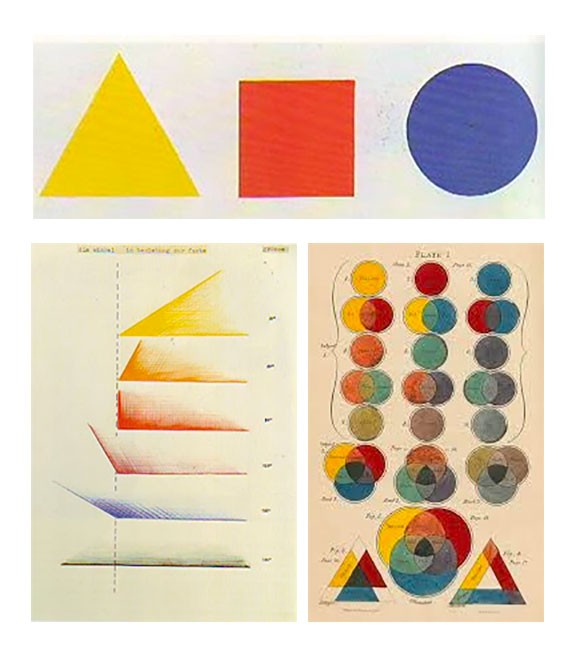
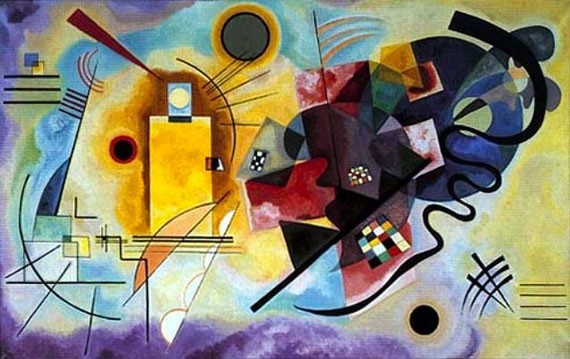
Kandinsky , in his works and during his long studies, sets out his theories on the use of colour.
His constant search for a very close connection between the work of art and the spiritual dimension.
The emotional effect of color is determined by its sensible, perceptible and sensorial qualities: color has a smell, a taste, a sound .
First, yellow : endowed with a
Blue is the color of the sky , it is deep: when it is intense it suggests quiet , when it tends towards black it is highly dramatic, when it tends towards lighter tones its qualities are of reflection and inner research
Red , on the other hand, is
Show reviews in all languages (2)
Complimenti!
hai una vera passione per l'arte!
Visto che sei arrivato fino a qui, meriti un premio!
Ecco uno sconto del 10% per il tuo prossimo capolavoro! ✨
49,99€

Reviews
There are no reviews yet.