

5 motivi per acquistare i nostri puzzle d'arte





25,00€
25,00€
4 in stock
The Tutankhamun puzzle is one of the most famous and well-known subjects in the history of ancient art. Indeed, in this work, one can find all the elements of the Impressionist movement and the birth of the ancient artistic transformations of the twentieth century.
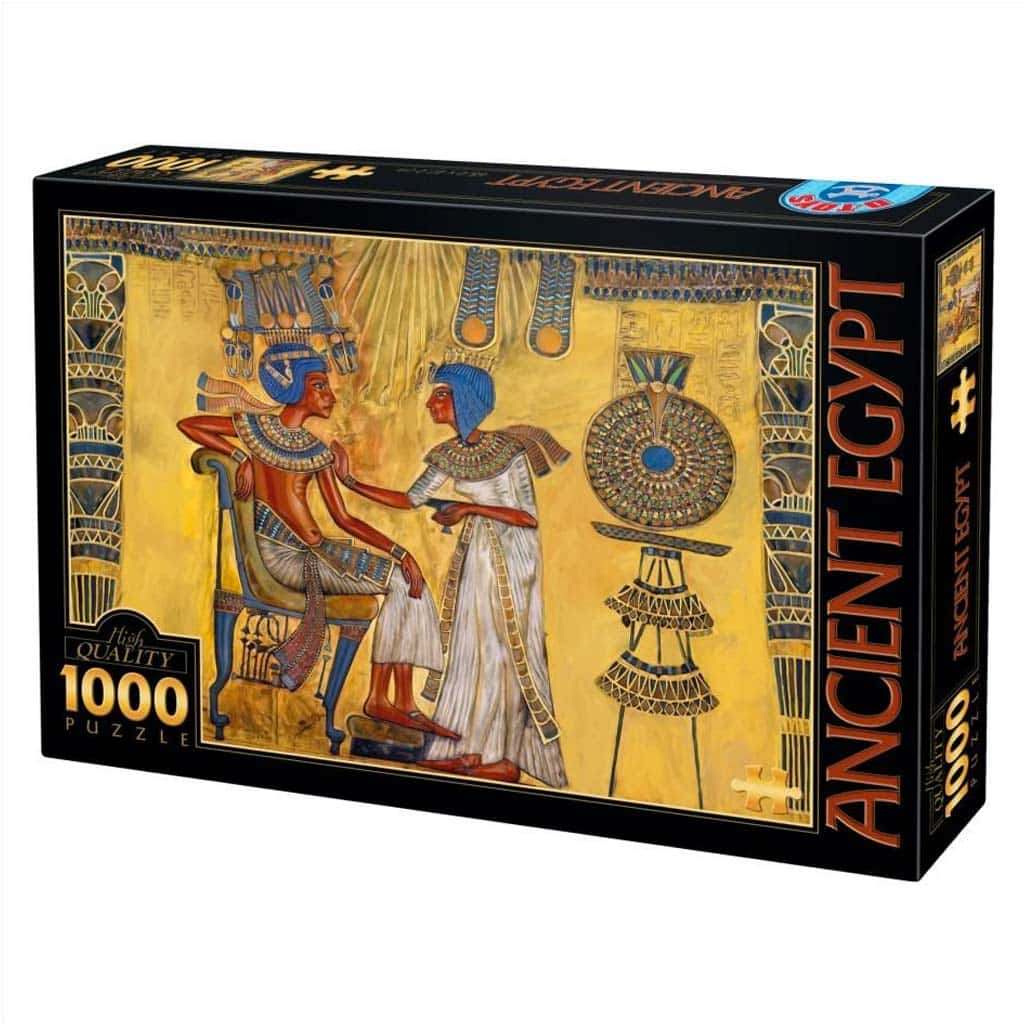
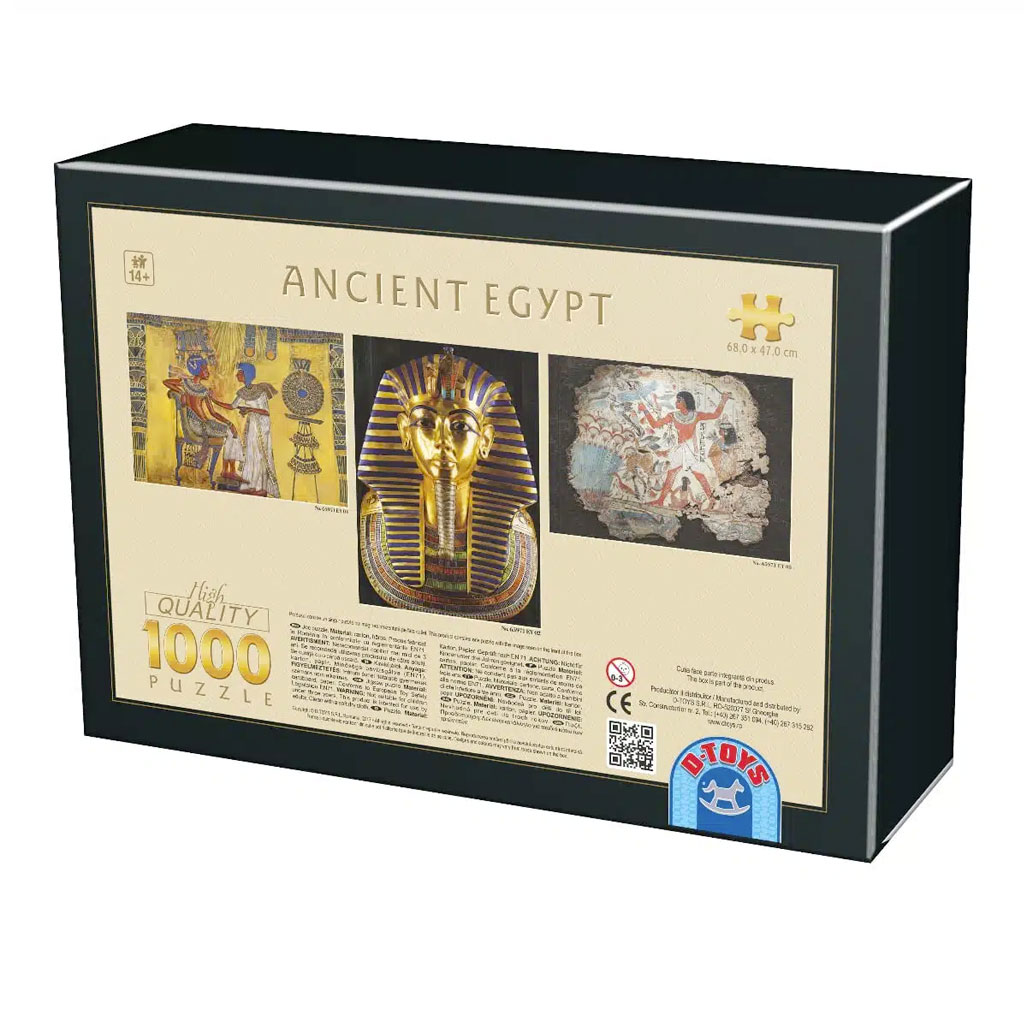
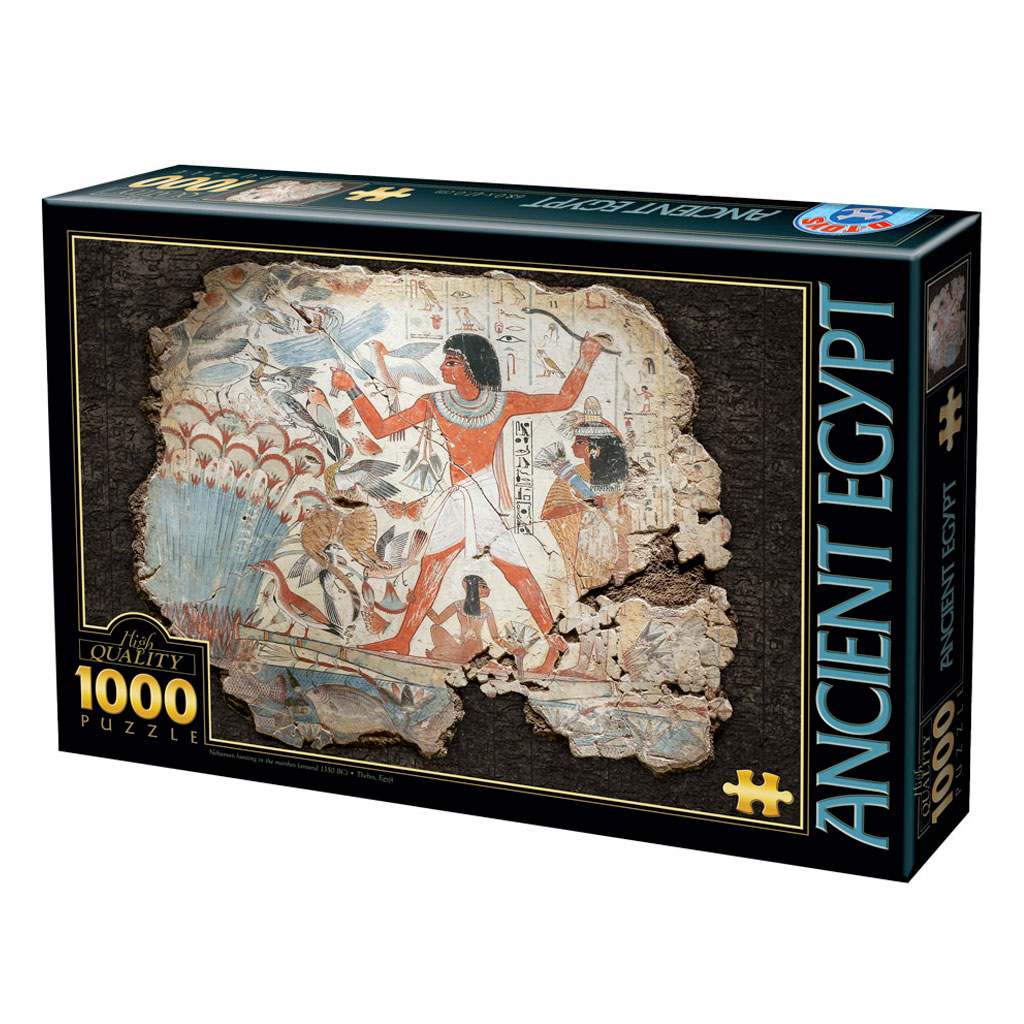
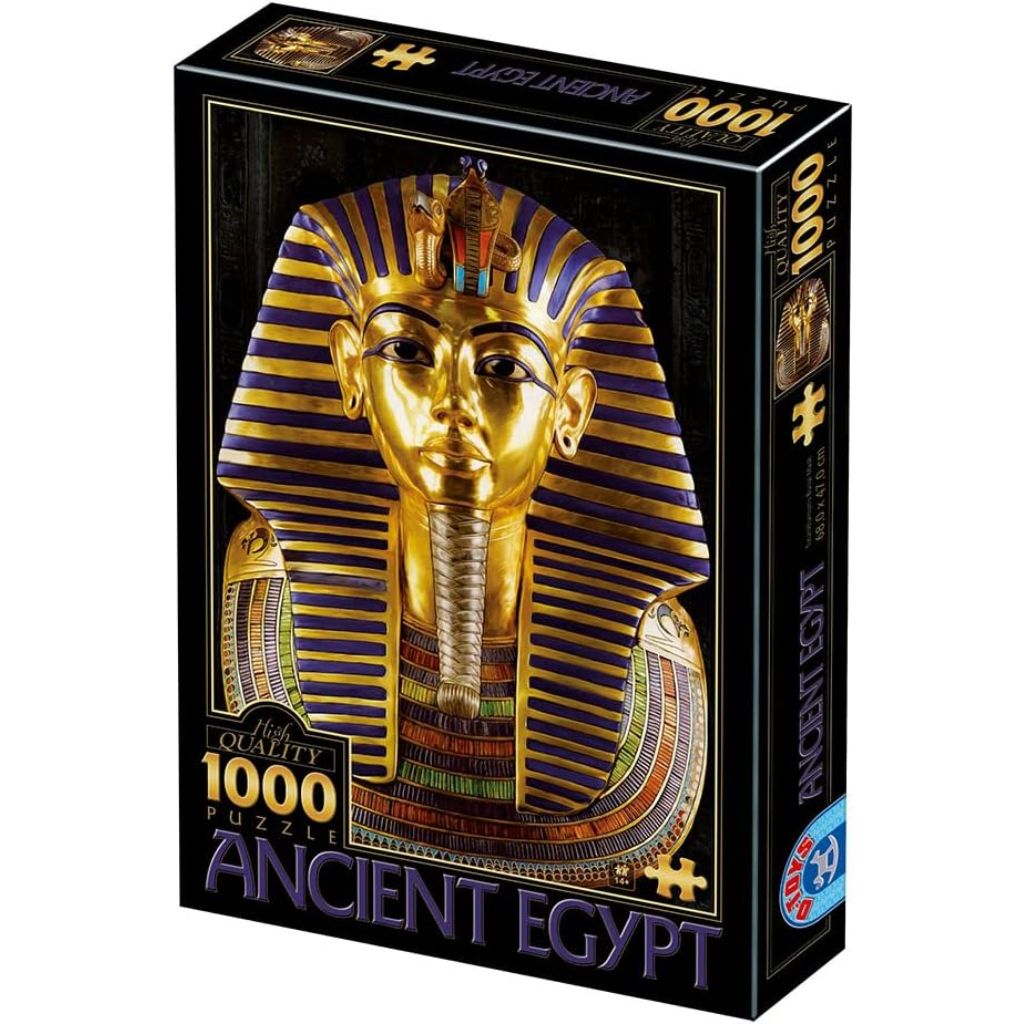
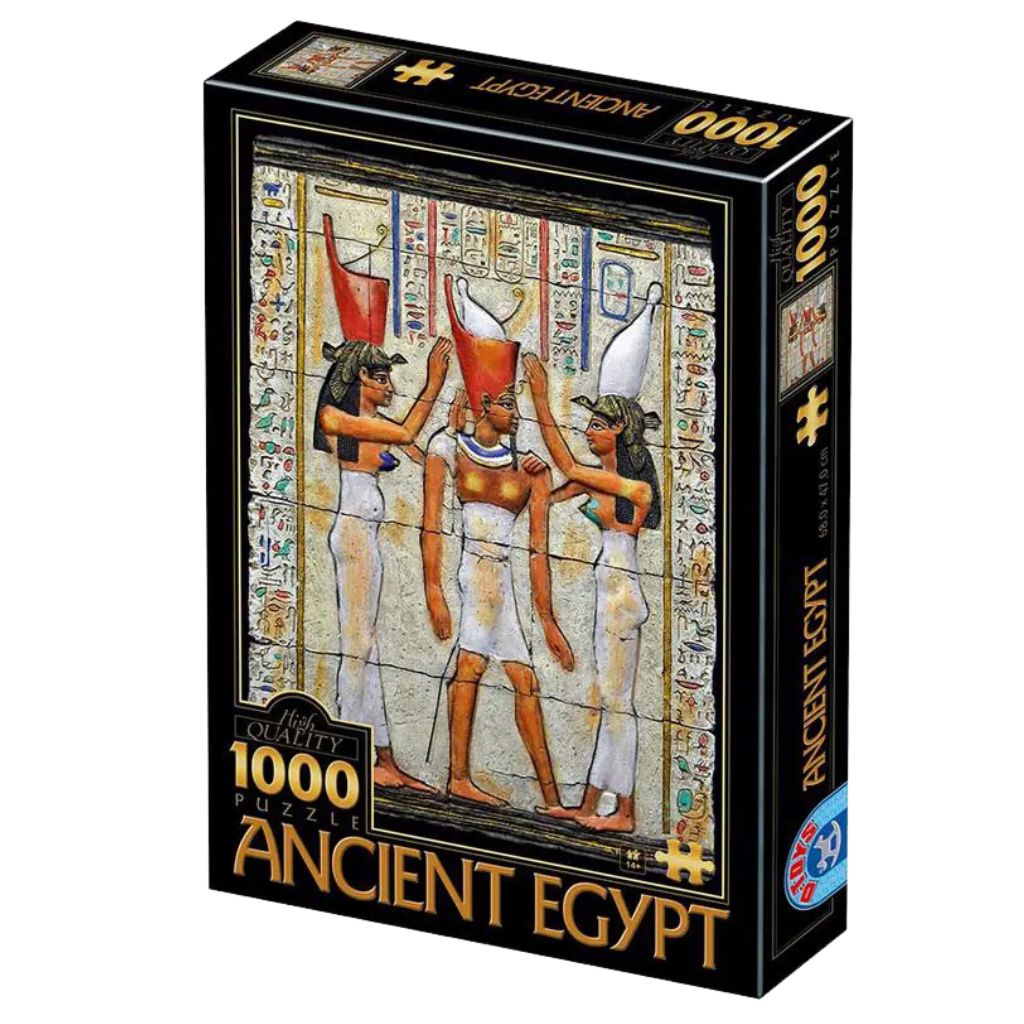
Discover the style of classical art of ancient Egypt with the magnificent throne of the great Pharaoh Tutakhamun in the 1000-piece Tutankhamun puzzle, the golden backrest by D-Toys.
Egyptian art puzzles represent some of the most famous works known in the entire history of ancient art.
Puzzle Art thanks to the new splendid edition of the brand D-Toys is pleased to offer you this art puzzle that pays homage to the grandeur and magnificence of the Egyptian pharaoh Tutankhamun.
Questo puzzle è momentaneamente esaurito.
Nel frattempo, ti suggeriamo alcuni puzzle d’arte che potrebbero piacerti!
Egyptian art puzzles represent some of the most famous works known in the entire history of ancient art. The Tutankhamun puzzle is one of the most famous and well-known subjects in the entire history of ancient art. Indeed, in this work, all the typical elements of Ancient Egyptian art can be found.
The puzzle of Tutankhamun’s throne represents one of the most beautiful examples of Egyptian art, in fact gold, silver and bright colors come together to give life to the splendid back of the throne of the most famous Pharaoh in history.
Thanks to this beautiful 1000-piece art puzzle from D-Toys you can relive all the wonder of Egyptian art and enter the world of art puzzles piece by piece.
The Tutankhamun puzzle is one of the most famous and well-known subjects in the entire history of ancient art.
Discover the style of classical art of ancient Egypt with the magnificent throne of the great Pharaoh Tutakhamun in the 1000-piece Tutankhamun puzzle, the golden backrest by D-Toys.
 | Number of pieces 1000 |  | Brand D-Toys |
 | Puzzle dimensions (cm) 68 x 47 |  | Box dimensions (cm) 38 x 26.5 x 5.5 |

Well finished box
Wonderful gift idea
Ancient work of art
Bright colors
1000 pieces
Standard grid
The golden throne of King Tutankhamun is a masterpiece of art, not only in ancient Egyptian times, but also in the history of modern art.
Tutankhamun’s throne, as in many Eastern countries, was a symbol of authority and prestige. In fact, six chairs were buried with Tutankhamun in his tomb, scattered throughout the Antechamber and the annex.
For the ancient Egyptians, the Throne meant (ist) in hieroglyphics and was the emblem of the goddess “Isis.” Therefore, the king who sat on the throne was represented as the son of “Isis,” who is the god “Horus”: the king was sacred because he is “Horus.”
The golden throne was discovered covered with folds of black linen cloths in the antechamber of King Tutankhamun’s tomb number (KV62) under the hippopotamus-shaped funerary bed.
Tutankhamun’s throne is made of wood covered with gold and silver sheets, inlaid in some parts with precious stones, such as turquoise with its light color and carnelian with its orange color, and some parts inlaid with painted glass.
Silver plates were very expensive, even more expensive or valuable than gold, because silver was very rare in Egypt. However, the artist used different colors to cover the royal couple’s costumes and also to distinguish the two crowns: the red of the Lower Egyptian crown contrasted with the gold, and the white of the Upper Egyptian crown contrasted with the silver.

The back of the throne depicts a naturalistic scene with ducks flying over the Nile. There is also a group of cobras made of semiprecious stones and decorated with solar disks above their heads.
Finally there are three lines of hieroglyphic inscriptions representing the “first itn form” of the king’s names when his name was “Tut anx itn” and his wife.
As for the throne stool, it is made of solid wood covered with gold leaf and decorated on its top with six of the nine traditional enemies which may be an exaggeration of the three eastern, western and southern enemies of Egypt’s borders (the Asiatics, the Libyans, the Nubians).
Another opinion said that the real number of enemies of Egypt during the reign of King “Tutankhamun” was six peoples, but this opinion is not strong, because on the other 5 footstools we found the nine traditional enemies that are, the Nubians, the Libyans, the Asians, the Sea Peoples, the Assyrians, the Hittites, the inhabitants of Kush, the Babylonians and the Palestinians.

This does not mean that artistic manifestations of the pre-dynastic era (that is, prior to the advent of the pharaonic dynasties) are the same as those of the New Kingdom, but it is possible to discern an extraordinary continuity between them, made up of respect for traditions, repetition of already tested patterns and forms, and the re-proposal of familiar themes, known and understandable to all.
This continuity can be explained both by the cultural isolation that Egypt has always maintained with respect to other Middle Eastern and North African populations, and by the strong link between art and religion.
In fact, the religion of ancient Egypt influenced every daily activity and even the power of the pharaohs was often subjected to the prevalence of the cult of one divinity over another, in a very difficult balance between hundreds of gods and goddesses with the most imaginative names and attributes.
Egyptian art also has religious characteristics and purposes: in fact, architecture, painting and sculpture are always aimed at honouring the gods or the pharaoh who in any case is required to praise the divinities, in the awareness that only in this way would it be possible to achieve immortality after earthly life.
Show reviews in all languages (1)
Complimenti!
hai una vera passione per l'arte!
Visto che sei arrivato fino a qui, meriti un premio!
Ecco uno sconto del 10% per il tuo prossimo capolavoro! ✨
29,90€
 Hot
Hot

Reviews
There are no reviews yet.