

| Numero pezzi | |
|---|---|
| Marca | |
| Atmosfera | |
| Artista | |
| Occasione | |
| Museo d'arte | |
| Dimensioni dell'opera | 81 x 100 cm |
| Movimenti artistici | |
| Difficoltà | |
| Dimensioni puzzle | 69 x 47.80 cm |
| Dimensioni scatola | 33 x 23 x 4 cm |
| EAN | 3663384602467 |
5 motivi per acquistare i nostri puzzle d'arte





25,00€
25,00€
3 in stock
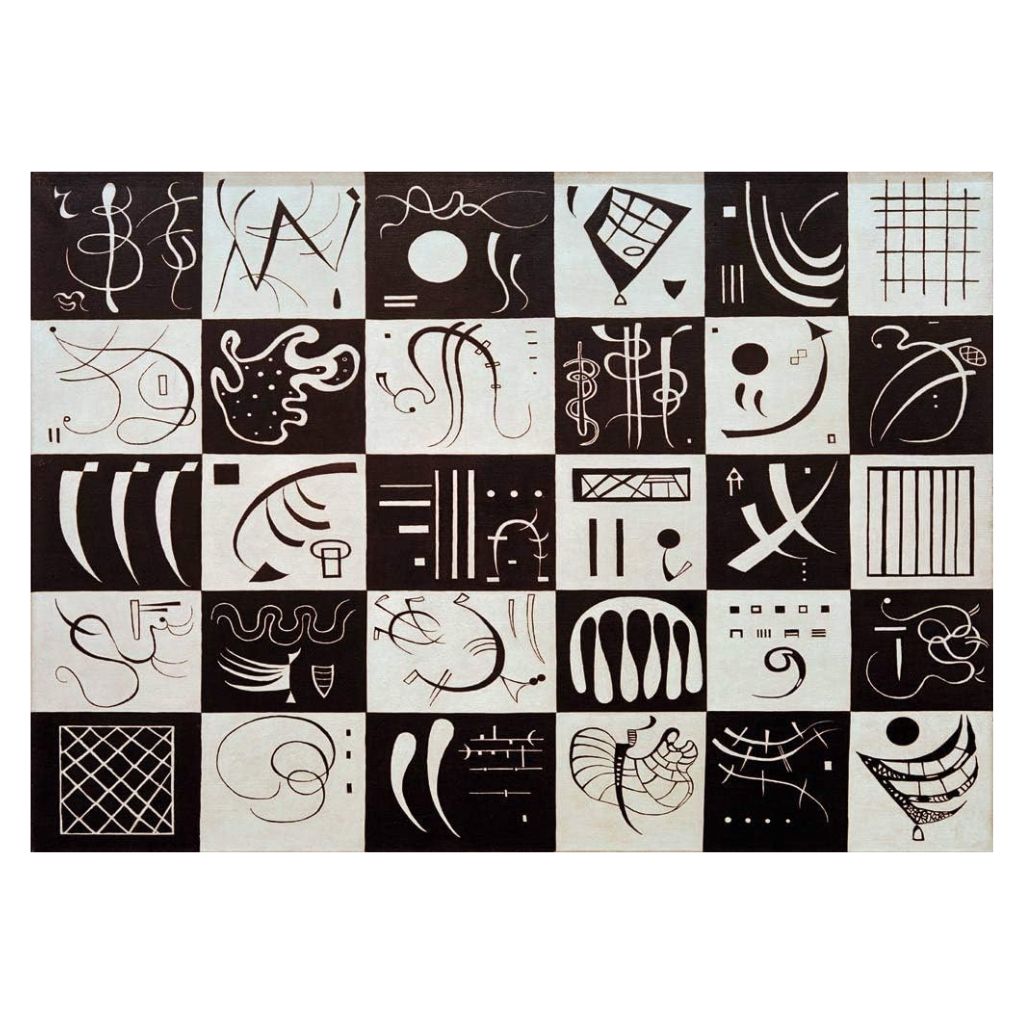
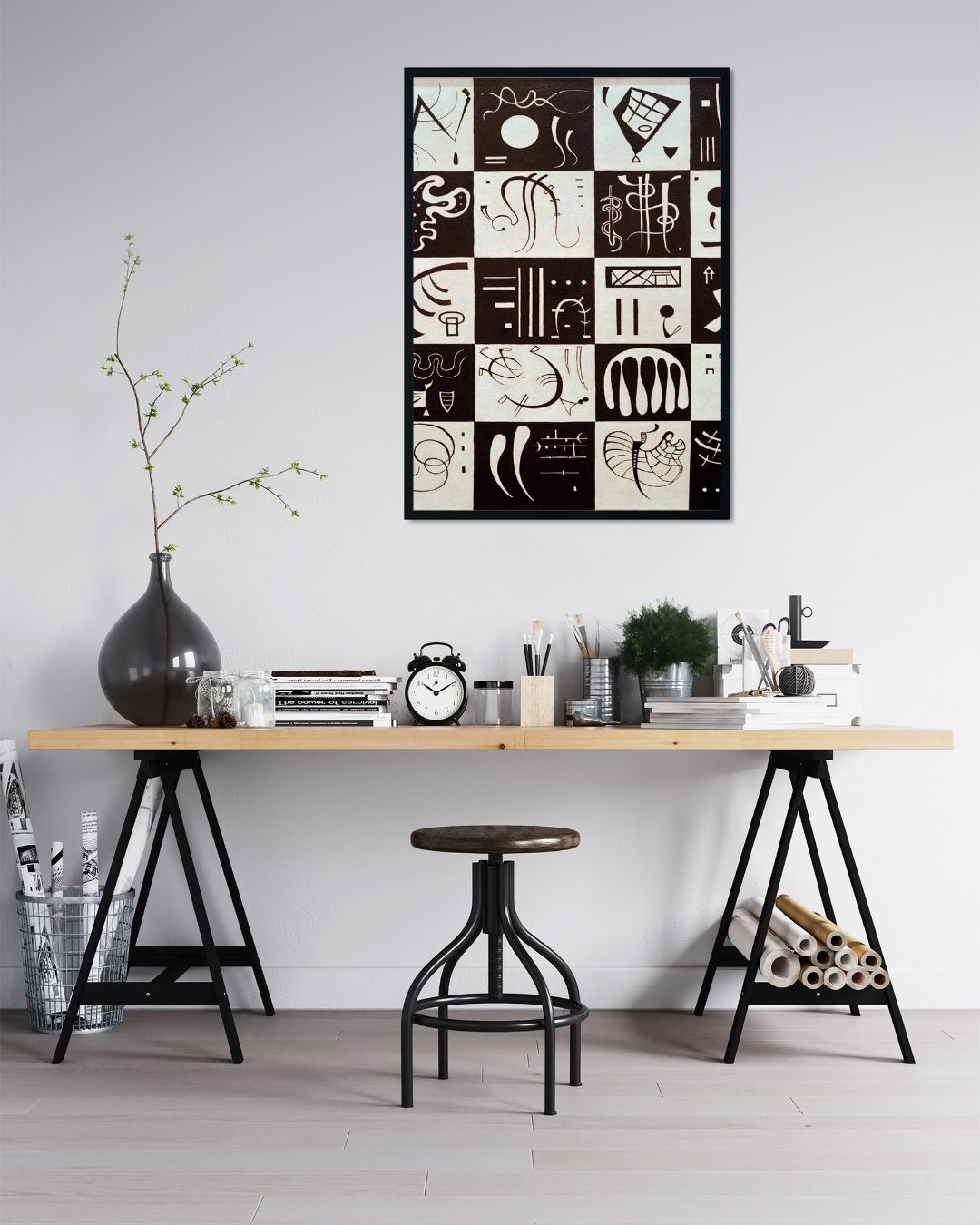
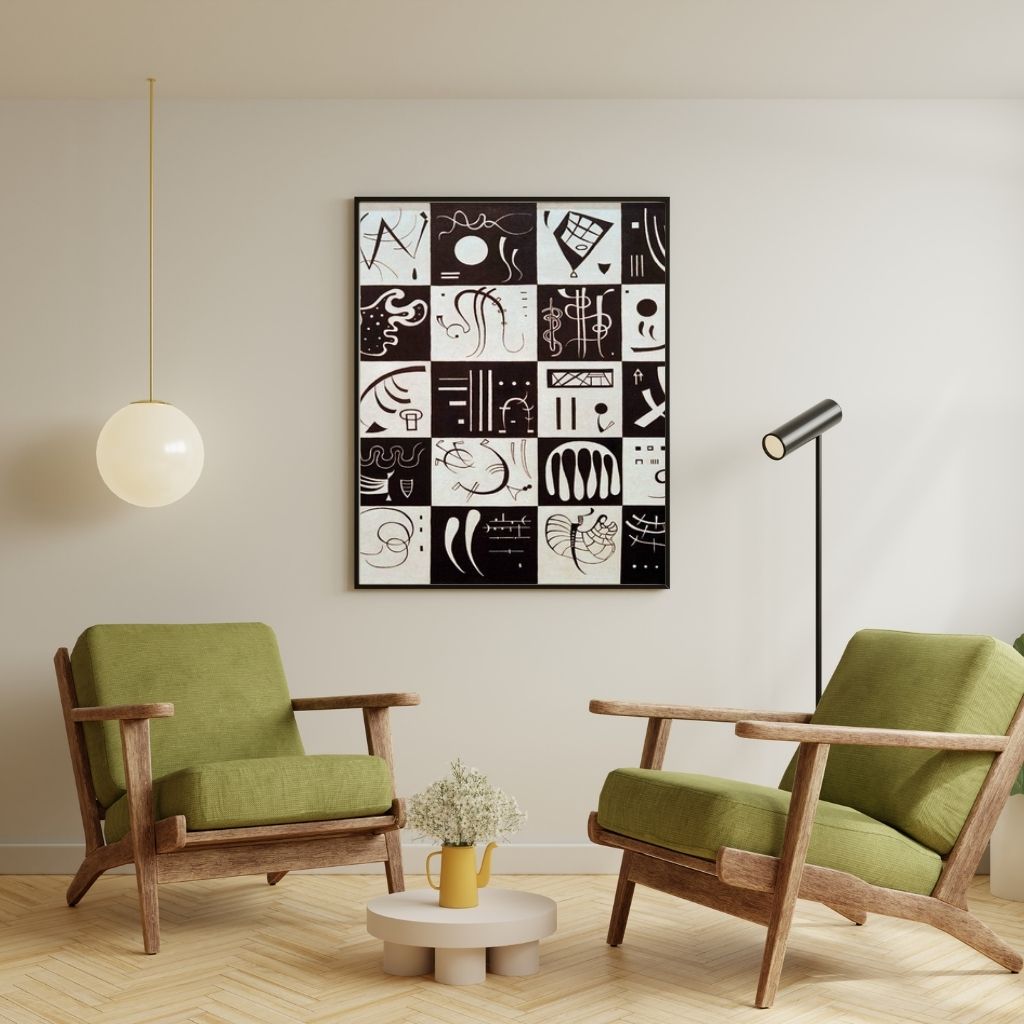
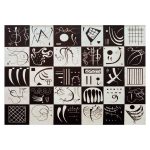
In Trente , Kandinsky explores the essence of color through monochromatic shapes and contrasts, transforming black and white into an emotional and spiritual language. His color theory, where yellow represents energy, blue introspection, and red life force, finds expression in the work’s rhythm and geometry, creating an intense and harmonious visual experience, capable of evoking profound emotions even without color.
Questo puzzle è momentaneamente esaurito.
Nel frattempo, ti suggeriamo alcuni puzzle d’arte che potrebbero piacerti!
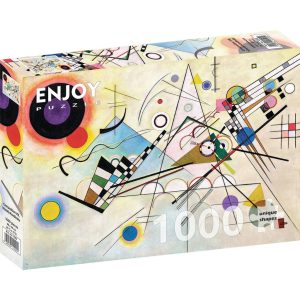
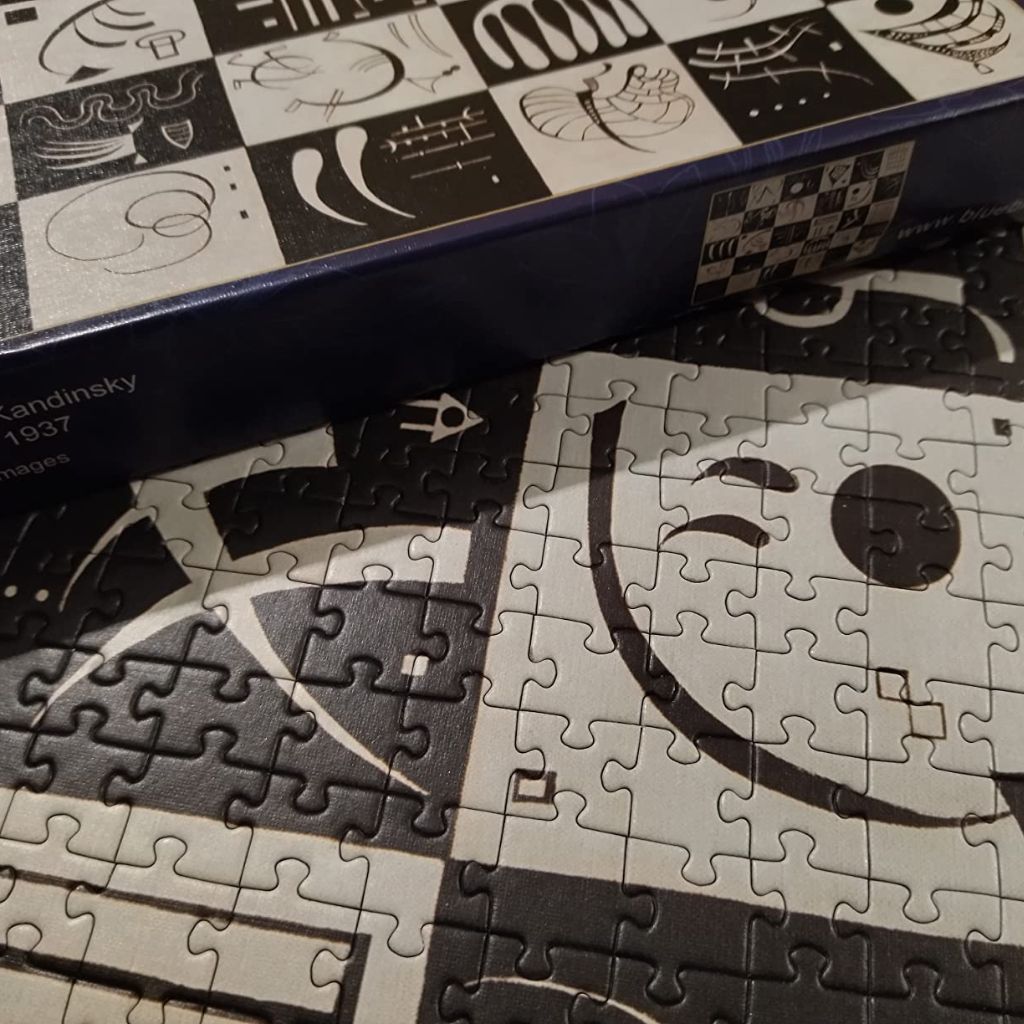
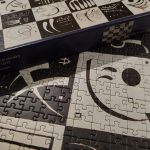
The black and white Kandinsky puzzle ” Trente ” is an invitation to explore the abstract genius of the great Russian master through 1,000 pieces that reconstruct a one-of-a-kind work. This creation, characterized by a refined balance between black and white, represents one of the most evocative stages of his artistic research.
With its visual language of geometric shapes, flowing lines, and balanced compositions, Trente, 1937 expresses Kandinsky’s ability to translate emotions and abstract concepts into a visual dialogue that transcends color. Every detail invites the viewer to reflect on the relationship between space, movement, and rhythm.
Through this puzzle, you not only discover the essence of abstract art, but also delve into the heart of Kandinsky’s creative process: an immersive experience that celebrates the expressive power of pure forms and the connection between art and spirituality. Perfect for those who love design, modern art, and the pleasure of building extraordinary works piece by piece.
The 1000-piece Kandinsky Black and White Trente puzzle from Bluebird is an exciting and stimulating challenge for lovers of abstract art.
The subject, with its play of contrasts between black and white , expresses all of Kandinsky’s elegance and mastery in the use of shapes and lines as tools of expression.
Every detail of the design evokes visual harmonies, as if each element were part of a musical composition without notes, but rich in rhythm and meaning.
This puzzle is perfect for a shared experience: little ones can have fun identifying the different shapes and patterns, sorting them by type or symmetry, thus helping mom and dad complete the puzzle. The construction process becomes an engaging and educational activity, capable of developing creative thinking and attention to detail. An ideal pastime to unite the family around the timeless beauty of abstract art.
 | Number of pieces 1000 |  | Brand Bluebird |
 | Puzzle dimensions (cm) 69 x 47.8 |  | Box dimensions (cm) 38 x 23 x 6 |
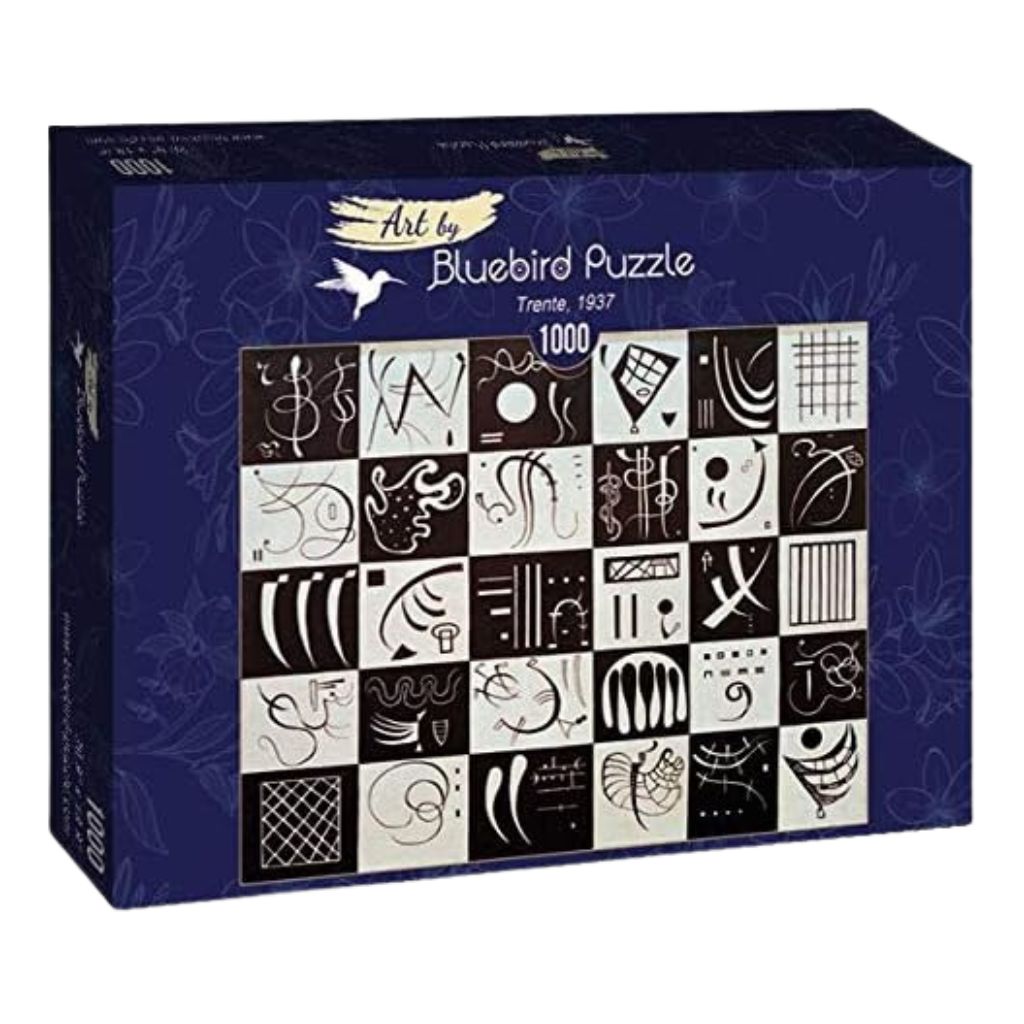
Well finished box
Wonderful gift idea
Famous art subject
Surreal painting
1000 pieces
Standard grid
Vasily Kandinsky was born on December 16, 1866, in Moscow, the son of a wealthy tea merchant. From an early age, he demonstrated a natural inclination for art and creativity. In 1871, he moved to Odessa to live with an aunt, where he received his first drawing lessons. It was during a trip to Venice that the young Kandinsky became fascinated by the city’s night lights, an experience that would profoundly influence his artistic sensibility.
In the early 20th century, Kandinsky created evocative landscapes using the palette knife technique, drawing inspiration from Russian tradition and its fantastical themes. However, it was his encounter with the European avant-garde that radically transformed his approach. Through experimentation with colors and techniques, Kandinsky gradually abandoned figurative representation, focusing on the abstract essence of forms and the emotional energy conveyed by color.
This work, like many of his later creations, embodies his innovative vision of art as a universal language, capable of expressing emotions and thoughts through lines, shapes and colours, freeing itself from the constraints of traditional representation.
In Trente , Kandinsky once again demonstrates his profound reflection on the use of color as a tool connecting artwork and the spiritual dimension. Through his extensive studies and theories, the artist attributes sensorial qualities to colors, transforming them into true emotional vehicles. For Kandinsky, colors are not simply visual elements: they have a smell, a taste, a sound, capable of evoking profound emotions and sensations.
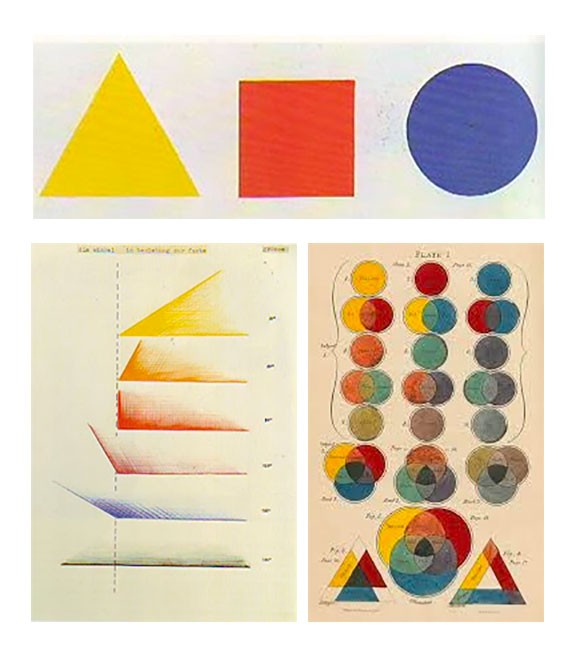
Indeed, the Fauve colors and the evocative use of tempera on dark paper gave Kandinsky’s works incredible expressive power and unprecedented visual impact. Each brushstroke seems to transform the canvas into a symphony of emotions, allowing the essence of his abstract language to emerge.
In 1912, with the creation of his first Compositions, Kandinsky took a decisive step towards abstract art. Figures became increasingly simplified, color became completely arbitrary, while space dissolved into a play of harmonies and tensions. Traditional representation gave way to a new vision: a profound dialogue between point, line, and surface, which would become the beating heart of his work.
This revolutionary relationship established him as one of the greatest masters of art of all time, transforming him into a pioneer of abstract art. It is precisely this quest for harmony and innovation that makes Kandinsky-inspired puzzles so fascinating: a unique opportunity to explore, piece by piece, the vision of a genius capable of revolutionizing art and touching the most intimate chords of the human soul.
Kandinsky explores the relationship between intention and art through three distinct groups of works: Impressions, Improvisations, and Compositions . These terms, which become central to his artistic production, represent as many stages on the path to abstraction, each characterized by a different relationship with reality and the artist’s interiority.
In his famous book The Spiritual in Art, Kandinsky identifies three stages in his creative process, which derive from what he himself calls “different sources.”
Impressions arise from the observation of external nature, but are filtered through the artist’s subjectivity. Kandinsky expresses himself through a graphic-pictorial form that transforms the tangible world into an emotional image, an impression on the canvas. The goal is not a faithful representation of reality, but rather the transmission of a sensation evoked by direct contact with the subject.
The Improvisations, on the other hand, represent the expression of sudden and unconscious mental events, emanating from “inner nature.” These paintings, in which the objects are still vaguely recognizable but distant from visible reality, are lively and vibrant. Drawing strong parallels with music, Kandinsky uses color and composition to communicate spiritual emotions and deeply internal content, freeing himself from the constraints of figurative representation.
The Compositions are the third stage of Kandinsky’s abstract development and represent the pinnacle of his artistic language. Although their genesis is similar to that of the Improvisations, the Compositions are carefully studied, reworked, and refined. Rationality, awareness, and intention come into play here, but without sacrificing feeling and intuition. These are not calculated works, but creations that respond to a profound emotional need. Kandinsky saw the Compositions as a way to create a “pure” painting, capable of achieving the same expressive power as a musical composition, where harmony and disharmony coexist to generate an intense and universal emotional impact.
The Compositions, in particular, represent the pinnacle of Kandinsky’s research: an abstract art form that does not merely describe, but aspires to evoke and communicate directly with the soul of the observer. This approach, which unites color, form, and feeling, made Kandinsky one of the greatest masters of modern art.
Complimenti!
hai una vera passione per l'arte!
Visto che sei arrivato fino a qui, meriti un premio!
Ecco uno sconto del 10% per il tuo prossimo capolavoro! ✨
22,90€
49,99€


 Hot
Hot

Reviews
There are no reviews yet.