





Additional information

Marca

Numero pezzi

Atmosfera

Artista

Occasione

Difficoltà

Dimensioni puzzle

28.8 cm x 42 cm

Dimensioni scatola

38 cm x 26.5 cm x 5.5 cm

EAN

594750287437901

5 motivi per acquistare i nostri puzzle d'arte

Puzzle Ricercati Puzzle Arte

Puzzle d’arte rari e ricercati

Spedizione Gratuita Puzzlearte

Spedizione gratuita sopra i 50€

Consulenza Puzzlearte

Consulenza e assistenza da veri esperti

Progetti Rimboschimento Puzzlearte

Progetti di rimboschimento

Bambini Puzzlearte

Progetti educativi per i più piccoli

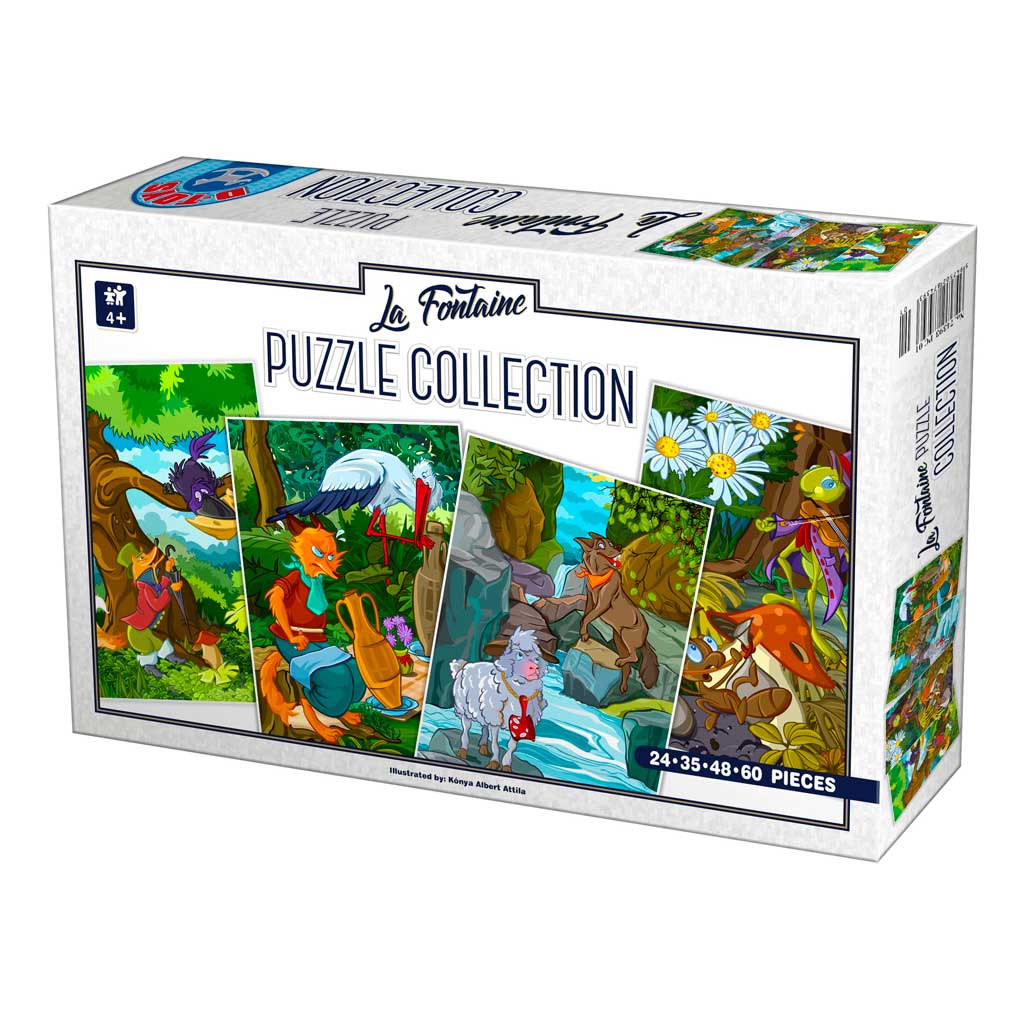
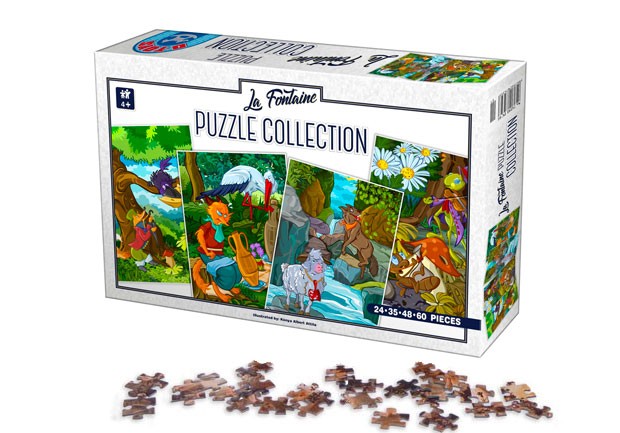
La Fontaine Fables Puzzle Collection – 4 Puzzles 24-35-48-60 Pieces

Novità!

19,90

19,90

1 in stock

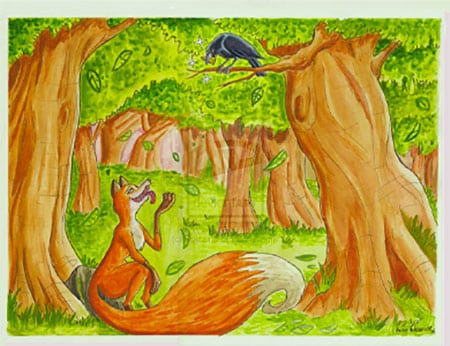
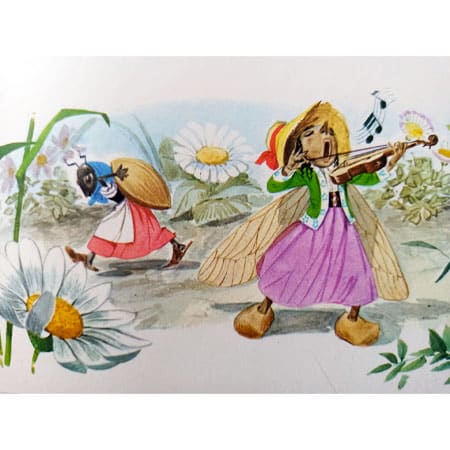
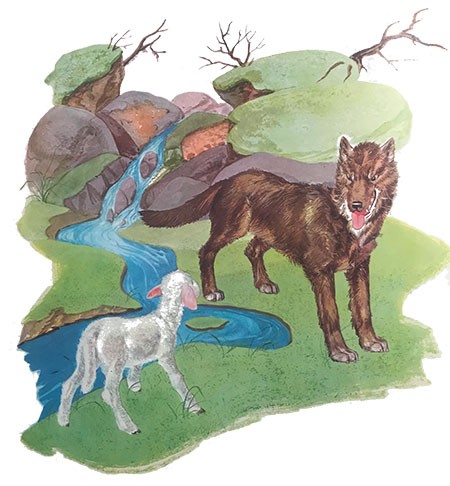
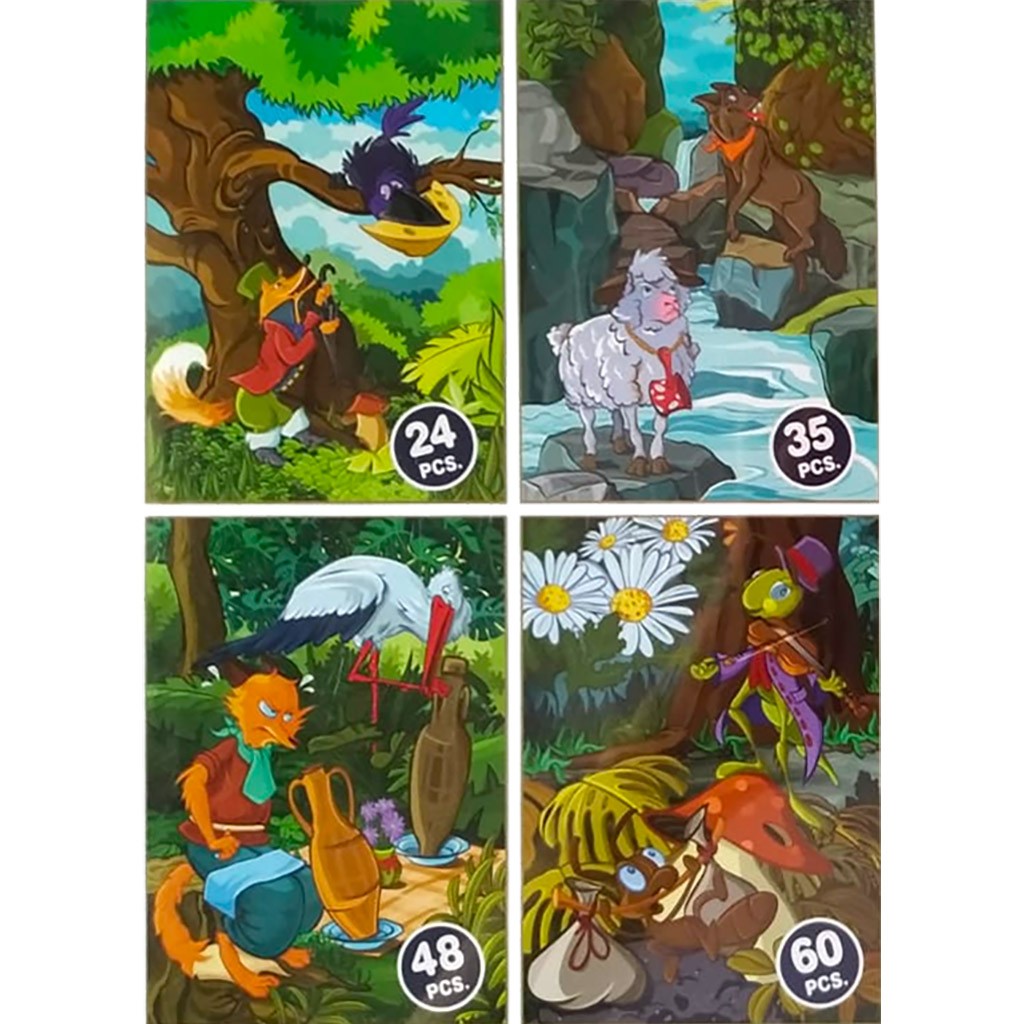
The La Fontaine Fables Puzzle Collection features images from four famous fables originally written by Aesop. Thanks to a collaboration with D-Toys, the following were selected: the crow and the fox, the fox and the stork, the wolf and the lamb, and the grasshopper and the ant. Four beautiful fables contained in four progressive puzzles of 24, 35, 48, and 60 pieces.


Questo puzzle è momentaneamente esaurito.

Nel frattempo, ti suggeriamo alcuni puzzle d’arte che potrebbero piacerti!

Altri puzzle di The Fountain

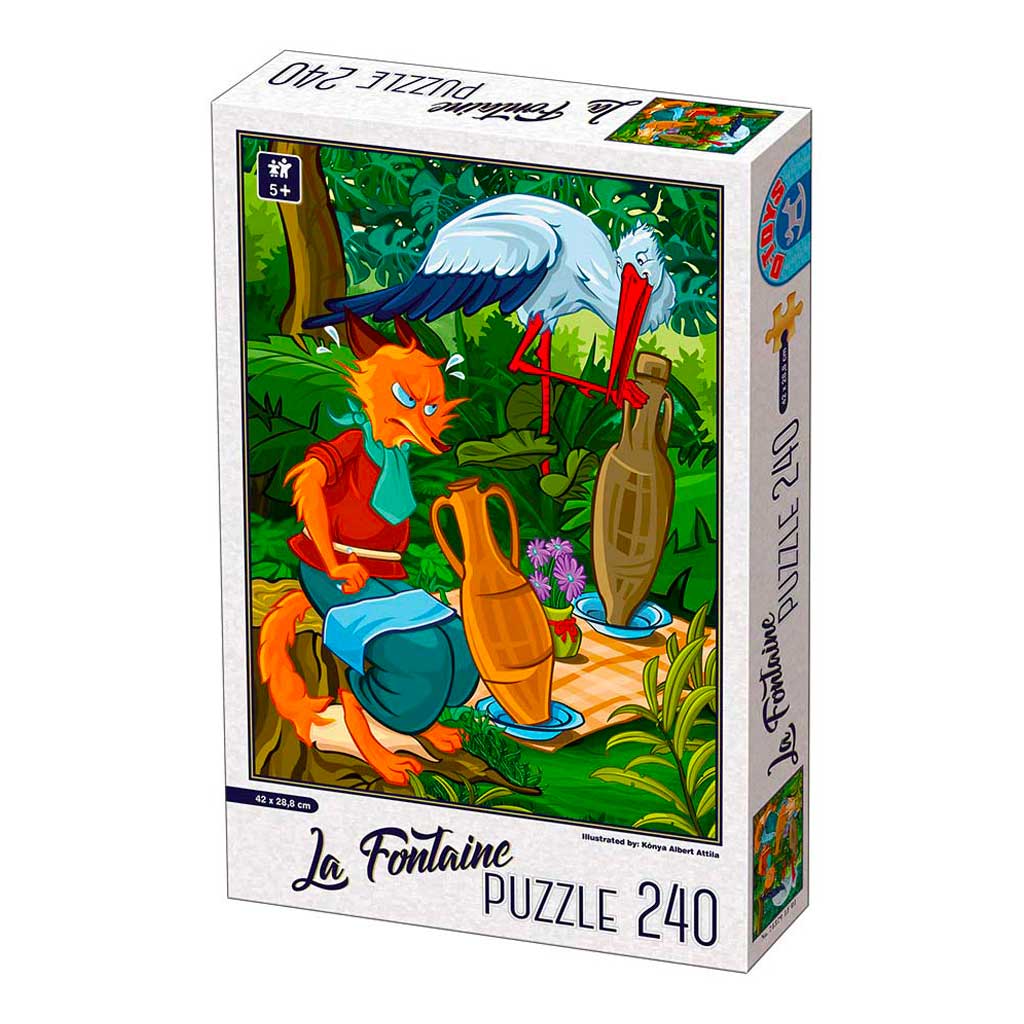
Puzzle Per Bambini 5 Anni 240 Pezzi La Volpe E La Cicogna
240-Piece Puzzle for 5-Year-Olds – The Fox and the Stork
14,90
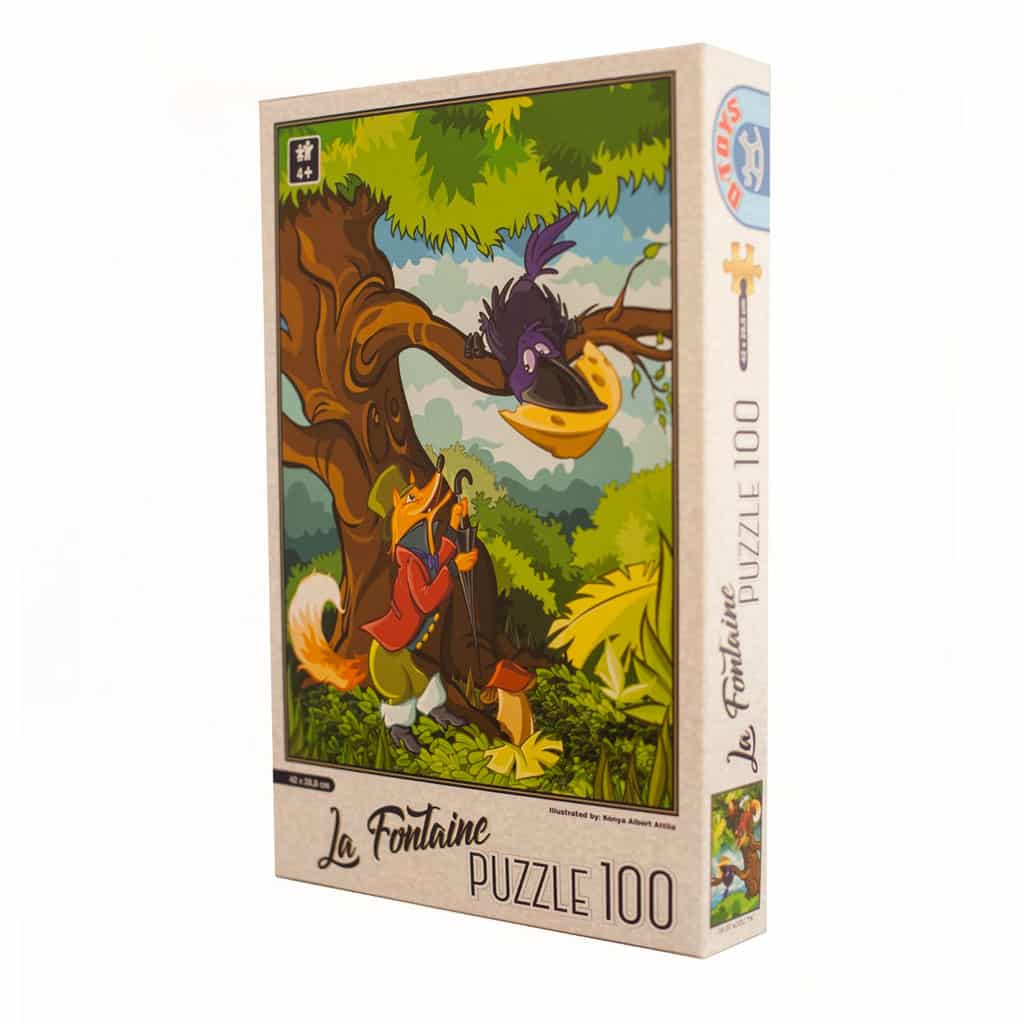
Il Corvo E La Volpe
The Crow and the Fox – 100-Piece Puzzle
15,00
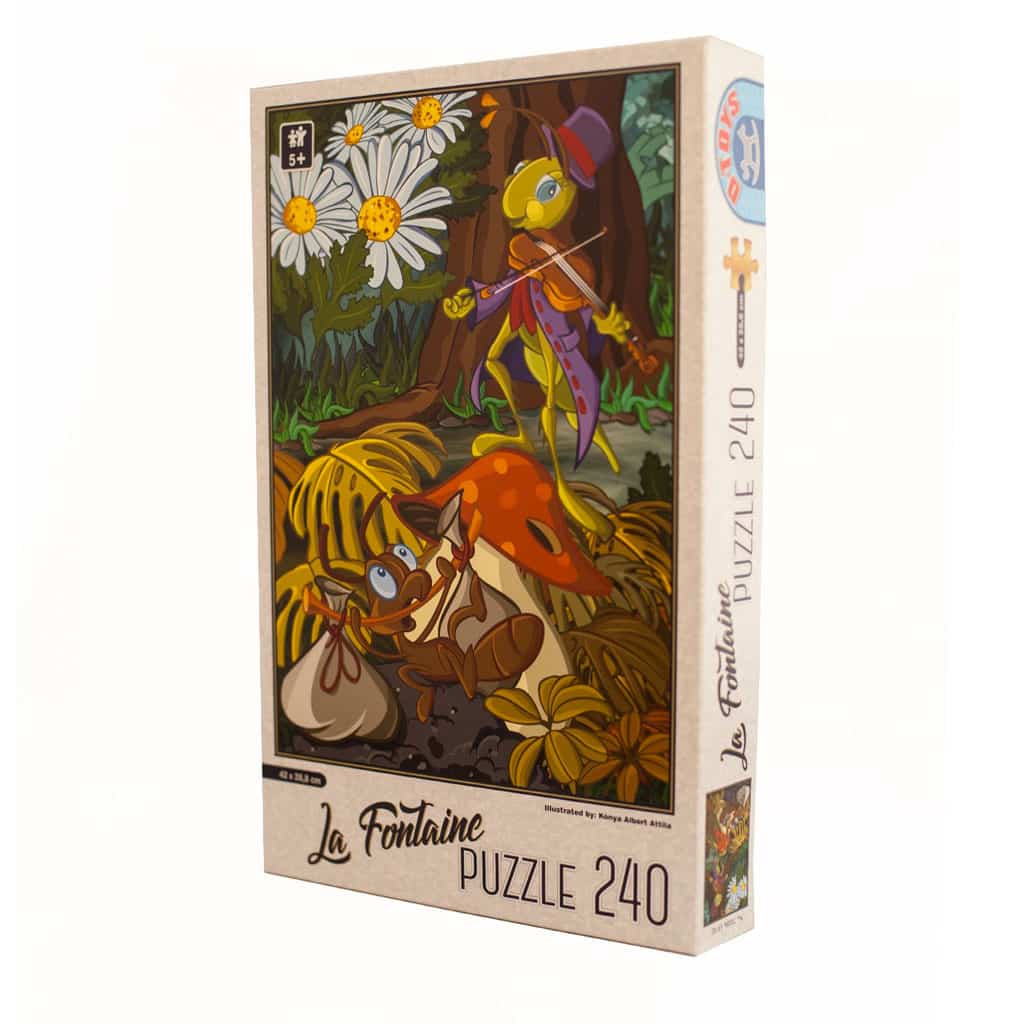
Puzzle Fables The Cicada and the Ant
Fairy Tale Puzzle – The Cicada and the Ant (240 Pieces)
19,99

Puzzle Features

The La Fontaine fables puzzle collection is made up of 4 fantastic children’s puzzles of increasing difficulty with 24, 35, 48 and 60 pieces.

The images are reproductions of some scenes from the fables of the poet and storyteller J. de La Fontaine. These fables are very famous and well-known because they were already included in the collection of Aesop’s Fables . They were subsequently adapted by numerous authors, including La Fontaine.

In these four fairy tales we find animals that symbolize humanity’s defects, vices, and virtues.
They all have a beautiful moral to teach children, such as not doing wrong to others if we don’t want them to do it to ourselves, or preferring intelligence to vanity.

This way, children can have fun making puzzles and telling or listening to the meaningful stories represented in the puzzle collection .

Characteristics of children's puzzles

The subjects of the puzzle collection are animals: the fox and the stork, the wolf and the lamb, the cicada and the ant, the crow and the fox.
In these images the animals represent a particular scene from the fable in question.
The fables narrated by the French poet aim to describe, in some way, the human comedy, through ironic sketches that have a great moral.

In fact, if we think about the fable of the grasshopper and the ant, we understand that of the two animals, one works and the other sings, but in the end, the one who only sang risks dying of hunger because she didn’t stock up on provisions for the harsh, freezing winter.

The lines of the puzzle are sharp with bright colors , and the details are very accurate.
Progressive puzzles have large, sturdy pieces that fit together perfectly.
Thanks to the puzzle collection , children can start with the smallest and simplest puzzle: the 24-piece one, and then move on to the larger ones.

These are perfect puzzles, even for the small hands of a 4-year-old child.

Puzzle Arte also thinks of children, offering the opportunity to spend a fantastic moment of intimacy, culture and fun with the family.

Number of Puzzle PiecesNumber of pieces
24-35-58-60
Puzzle BrandsBrand
D-Toys
Puzzle DimensionsPuzzle dimensions (cm)
28.8 x 48
Puzzle Box DimensionsBox dimensions (cm)
34.5 x 22.5 x 5

Well finished box
Wonderful gift idea

Famous fairy tales
4 in 1

Number of various pieces
Medium grid

The plots of the puzzle collection's fairy tales

The plots of La Fontaine’s four fables are simple and invaluable. They teach children to be good, sincere, intelligent, and bold.

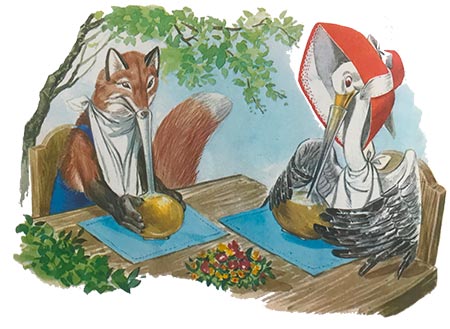
The fable of the fox and the stork tells the story of these two animals who play pranks on each other. The first to start is the crafty fox, who, to play a prank on the stork, invites him to lunch, but prepares the broth in a shallow bowl, so that the stork can only wet the tip of his long beak and after lunch is hungrier than before. Then it was the stork’s turn, who, to get revenge, invites the fox to lunch. Food was never prepared in long, narrow-necked vessels into which the fox couldn’t fit his snout.

Moral: We should never wrong others unless we want them to do so.
The fable of the crow and the fox tells of a crow who stole a piece of cheese and flew up onto a tree branch.
The fox saw him, and to get the cheese, he began to compliment the crow on his elegance, his beauty, that he could be considered the King of the birds if only he also had a beautiful voice.
Then the crow, to show the fox that he had a very beautiful voice, opened his beak wide and sang.
So the clever fox rushed to the cheese that had fallen to the ground.

Moral: Vanity often leads to many mistakes.

The fable of the grasshopper and the ant tells the story of two animals that are very active during the summer season, but in winter they take refuge in their nests and reduce their work to a minimum.
The story reveals that the cicada sings on the tree leaves all summer, and that the ant works tirelessly and hard to bring food supplies to its burrow. Tired of its hard work, the ant asks the cicada for help, but the cicada insists it must sing.
But when winter arrives, the cicada begins to get hungry because the trees are bare and it’s so cold. So he finds himself knocking on the ants’ nest door asking for food, which the ants refuse to give him because they’ve earned it with so much sweat and hard work.

Moral: He who does nothing, achieves nothing, so you have to work hard.

The fable of the wolf and the lamb tells the story of these two thirsty animals. The wolf saw the lamb drinking from the stream below him and wanted to eat it.
So, he began to invent lies to oppress the tender lamb. He told him that by drinking, he was dirtying his water and that he couldn’t even drink. That he was the lamb who had insulted his father last year. The lamb’s excuses were of no avail, because the wolf, losing patience, devoured him.

Moral: There are men who oppress the innocent under false pretenses, and justice in this case is of no use.

Reviews

There are no reviews yet.

Be the first to review “La Fontaine Fables Puzzle Collection – 4 Puzzles 24-35-48-60 Pieces”

Your email address will not be published. Required fields are marked *

Complimenti!

hai una vera passione per l'arte!

Visto che sei arrivato fino a qui, meriti un premio!
Ecco uno sconto del 10% per il tuo prossimo capolavoro! ✨

Cosa se ne pensi di questi puzzle d'arte simili...