





Additional information

Numero pezzi

Marca

Atmosfera

Artista

Occasione

Dimensioni dell'opera

65 cm x 81 cm

Difficoltà

Dimensioni puzzle

68 cm x 48 cm

Dimensioni scatola

38 cm x 26.5 cm x 5.5 cm

EAN

4062069367049

5 motivi per acquistare i nostri puzzle d'arte

Puzzle Ricercati Puzzle Arte

Puzzle d’arte rari e ricercati

Spedizione Gratuita Puzzlearte

Spedizione gratuita sopra i 50€

Consulenza Puzzlearte

Consulenza e assistenza da veri esperti

Progetti Rimboschimento Puzzlearte

Progetti di rimboschimento

Bambini Puzzlearte

Progetti educativi per i più piccoli

Puzzle art Cezanne Vue sur l’Estaque et le château d’If – Puzzle 1000 pieces

Novità!

27,90

27,90

Out of stock

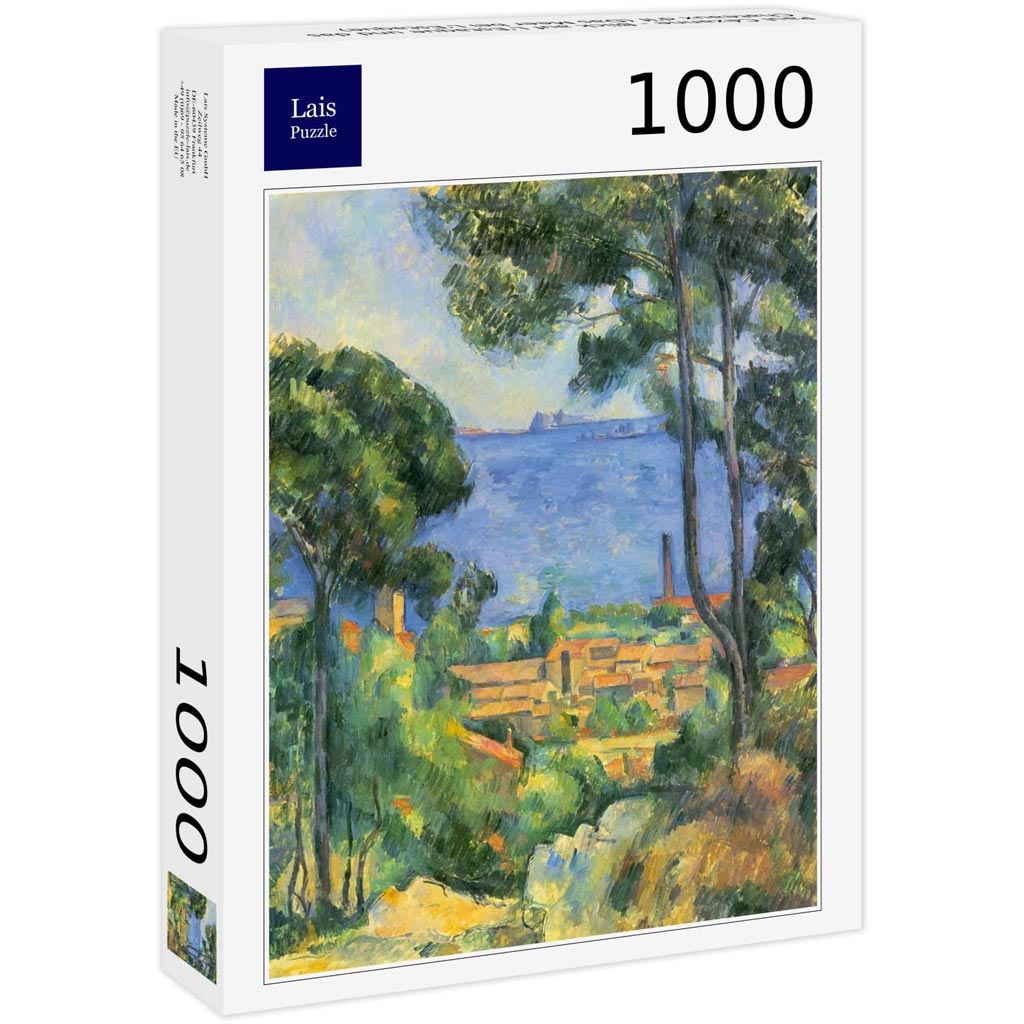
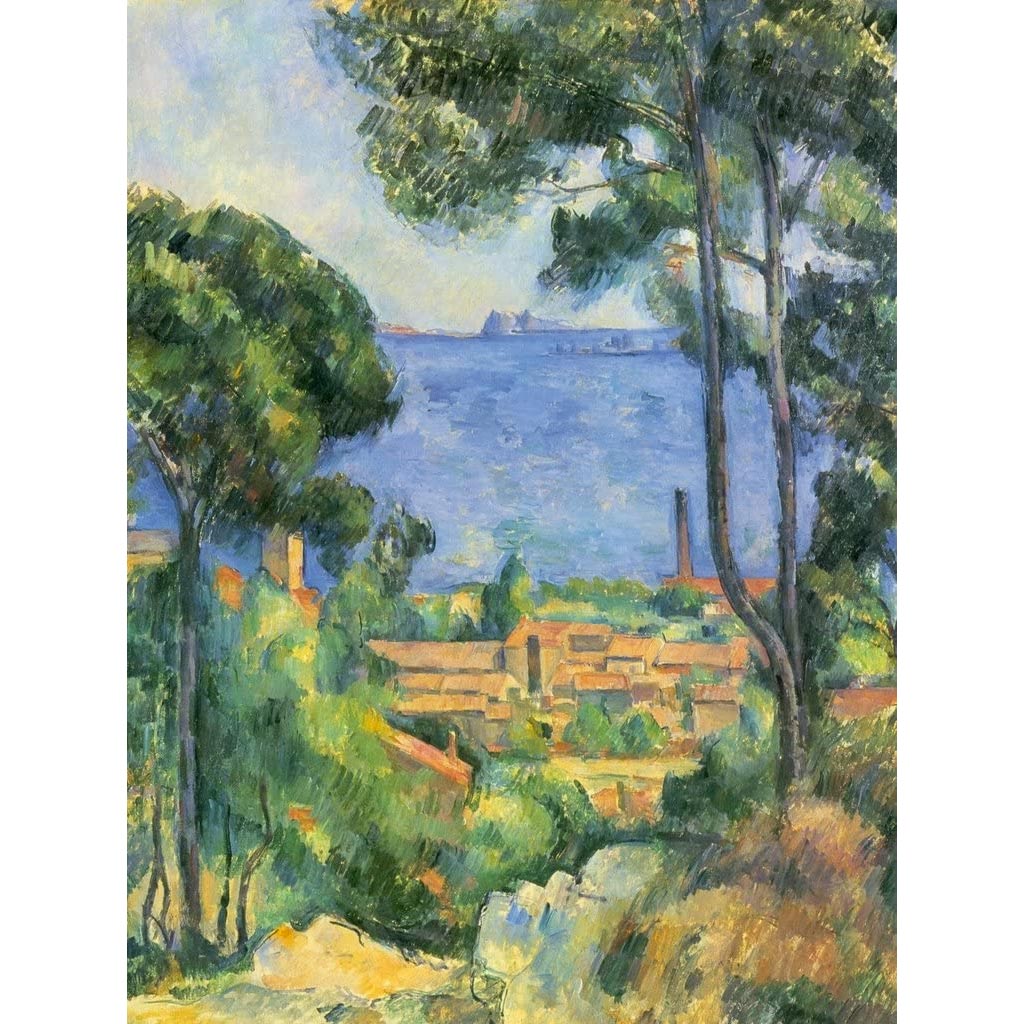
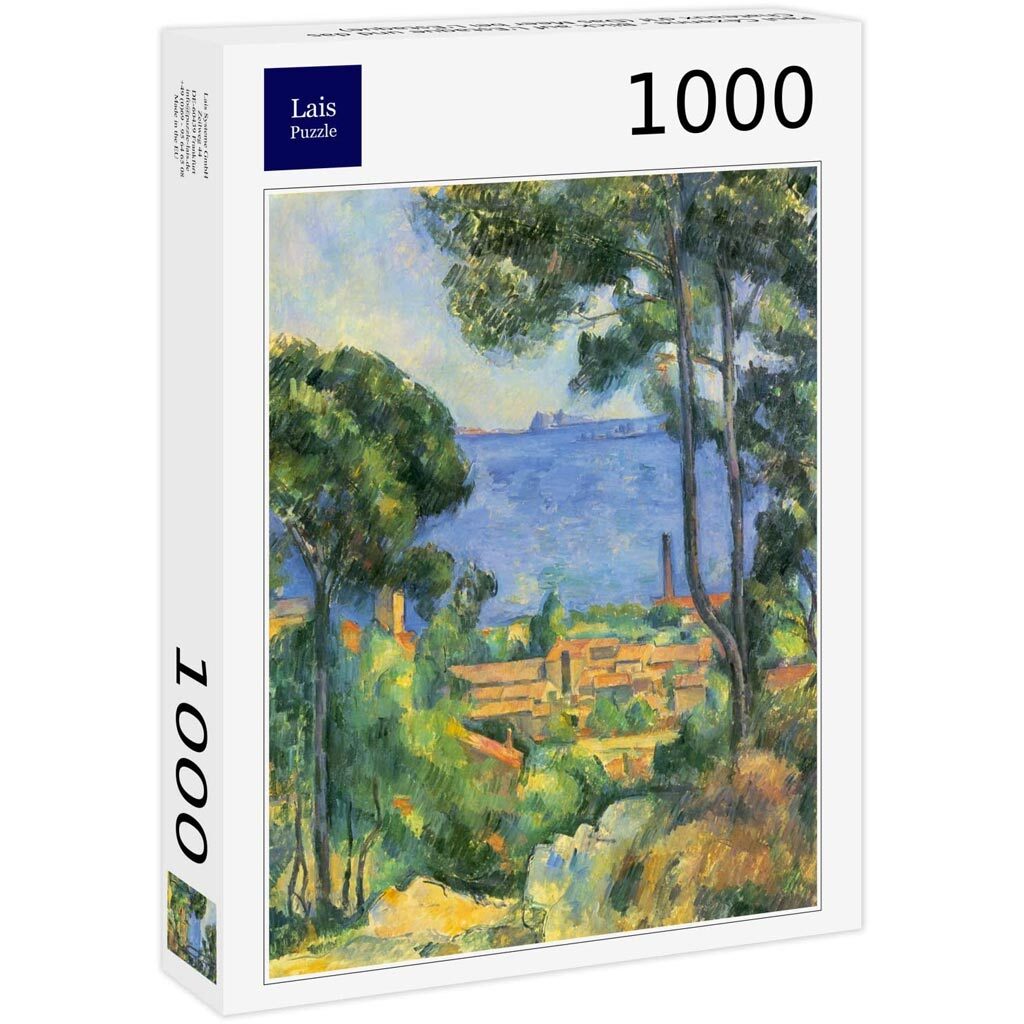
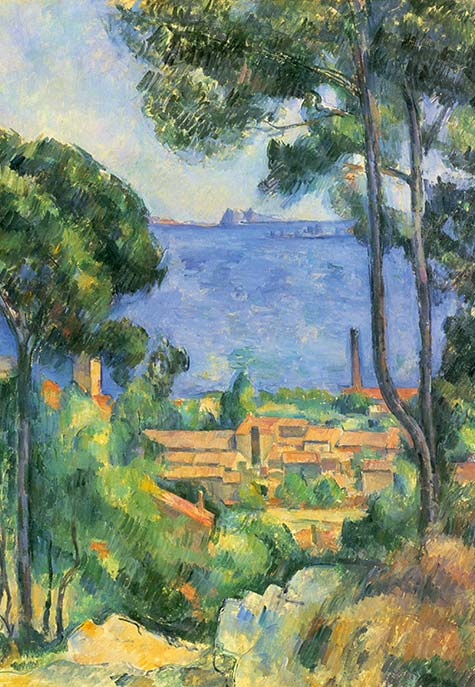
Discover one of the masterpieces of the great French master Paul Cézanne. The Cezanne art puzzle View of L’Estaque and the Château d’If depicts a painting created between 1883 and 1885 and considered one of Paul Cézanne’s masterpieces, which immortalizes the small port of L’Estaque and a small seaside resort in Provence.

The 1000-piece puzzle Vue sur l’Estaque et le Château d’If by Lais lets you enter the magnificent world of Cezanne’s unique painting.


Questo puzzle è momentaneamente esaurito.

Nel frattempo, ti suggeriamo alcuni puzzle d’arte che potrebbero piacerti!

Altri puzzle di Cezanne

Puzzle 2000 Pezzi Arte.jpg
Cézanne’s Card Players – Art Puzzle
29,90€ – 45,00€Price range: 29,90€ through 45,00€
Cezanne Puzzle
Cezanne Puzzle – Still Life with Apples 1000 Piece Puzzle
25,00

Puzzle Features

The art puzzle Cezanne Vue sur l’Estaque et le Château d’if represents the painting by Paul Cézanne retracted several times between 1883 and 1885.
The painting, which was painted during one of Cézanne’s last visits to Provence, is a rare example of a vertical canvas of this landscape motif that became an icon for the artist.

The painting remained in the private collection at the Courtauld Gallery although it was exhibited on several occasions at the London gallery and also in some major international exhibitions.

In fact, thanks to the wonderful 1000-piece Cezanne art puzzle from the Lais brand, you can discover the wonderful landscapes of the master Paul Cezanne.

The Cezanne art puzzle

The Vue sur l’Estaque et le Château d’If 1000-piece puzzle from Lais is a fascinating example of Paul Cezanne’s art.

This painting, created between 1883 and 1885, is considered one of the masterpieces of art, immortalizing the small port of L’Estaque, a small seaside resort in Provence.

The 1000-piece puzzle Vue sur l’Estaque et le Château d’If by Lais lets you enter the magnificent world of Cezanne’s unique painting.

The puzzle’s lines are bold, the colors bright , and the details are meticulously crafted. The pieces are sturdy, and the fit is of excellent quality.

Number of Puzzle PiecesNumber of pieces
1000
Puzzle BrandsBrand
Lais
Puzzle DimensionsPuzzle dimensions (cm)
68 x 48
Puzzle Box DimensionsBox dimensions (cm)
38 x 26.5 x 5.5

Well finished box
Wonderful gift idea

Famous work
Bright colors

1000 pieces
Standard grid

Description of the artwork

Pablo Picasso considered Cézanne a “mother in balance”, Henri Matisse as the “father of us all”.
Inevitably, our understanding of Cézanne’s painting is colored by later Cubism and abstraction, focusing attention on the formal aspects of his work.

His reduction of the visible world to basic, underlying forms , the faceted brushstrokes that seem to reconstruct nature through purely pictorial forms, the fracture and flattening of space: all this can be seen as the beginning of modern art. Yet Cézanne himself emphasized that he painted from nature and according to his sensations, striving to achieve a “harmony parallel to nature.”

Having returned to Provence, rejected by critics and working in isolation, his style developed independently. His “constructive line ,” as it is often described, is the result of a penetrating analysis. It represents rather than imitates visual effects. The relationships of color reveal the fundamental nature and connection of what Cézanne saw and felt.

Cezanne’s landscapes

In the late 1870s and 1880s, Cézanne sought to impose greater order on his paintings by systematizing his brushwork. Almost every part of nature is defined here by the same narrow, parallel strokes.

Many of the places Cézanne painted have been identified, including the painting View of the Estaque and the Château d’If . Comparing his images with the actual locations, it becomes clear that he often moved his easel, juxtaposing different viewpoints as he worked over the next few days.

Cézanne’s paintings never reproduced what the artist’s eyes saw, but proposed his own personal interpretation of reality.
These are apparently bizarre and disconcerting works, but in reality conceptually very complex, which distance themselves from academicism and, at the same time, from the so-called Impressionist revolution.

It’s not surprising that Cézanne’s paintings were initially derided as pitiful scabs, but it’s not difficult to discover the reason for this clumsiness. Cézanne had decided not to accept any traditional painting method as given; he wanted to start over from scratch, as if painting had never existed before him.
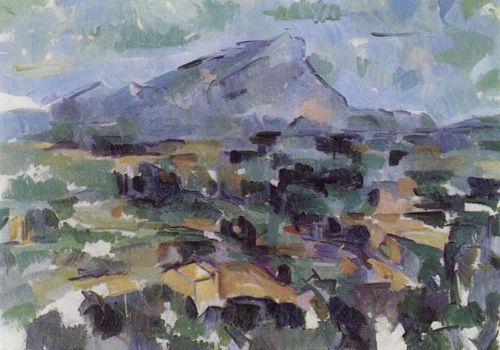
Montagne Sainte Victoire Cezanne

Cezanne's landscapes

In the late 1870s and 1880s, Cézanne sought to impose greater order on his paintings by systematizing his brushwork. Almost every part of nature is defined here by the same narrow, parallel strokes.

Many of the places Cézanne painted have been identified, including the painting View of the Estaque and the Château d’If . Comparing his images with the actual locations, it becomes clear that he often moved his easel, juxtaposing different viewpoints as he worked over the next few days.

Cézanne’s paintings never reproduced what the artist’s eyes saw, but proposed his own personal interpretation of reality.
These are apparently bizarre and disconcerting works, but in reality conceptually very complex, which distance themselves from academicism and, at the same time, from the so-called Impressionist revolution.

It’s not surprising that Cézanne’s paintings were initially derided as pitiful scabs, but it’s not difficult to discover the reason for this clumsiness. Cézanne had decided not to accept any traditional painting method as given; he wanted to start over from scratch, as if painting had never existed before him.
The history of Vue sur L'Estaque et Le Château d'If

The auction announces the sale of this masterpiece by Paul Cézanne, View of L’Estaque and the Château d’If, in 1936.
Samuel Courtauld , founder of the illustrious Courtauld Gallery and Institute of Art in London, won it for 10 million pounds.

The painting remained in Courtauld’s private collection throughout his life and following his generous bequest to the Courtauld Gallery.

The exceptional quality, rarity, and freshness of Vue sur L’Estaque et Le Château d’If offers collectors and institutions around the world a once-in-a-generation opportunity to secure an important and highly beautiful landscape masterpiece by Cézanne. Acquired in 1936 by one of the 20th century’s greatest connoisseurs, the inspiring patron of the arts and generous philanthropist Samuel Courtauld, the provenance of this exceptional painting is exemplary. His legacy through the Courtauld Gallery and Institute continues to enrich and inform contemporary culture today, and his early recognition of Cézanne’s genius has given rise to the largest public collection of the artist’s works in Britain. We expect this painting to generate great international excitement, from discerning buyers, both new and established, in Asia and Russia, Europe, and America.

Reviews

There are no reviews yet.

Be the first to review “Puzzle art Cezanne Vue sur l’Estaque et le château d’If – Puzzle 1000 pieces”

Your email address will not be published. Required fields are marked *

Complimenti!

hai una vera passione per l'arte!

Visto che sei arrivato fino a qui, meriti un premio!
Ecco uno sconto del 10% per il tuo prossimo capolavoro! ✨

Cosa se ne pensi di questi puzzle d'arte simili...

Novità!

49,99